
Szurdokpüspöki: Buffalo Reserve, Nature and Local History
Accommodation in Szurdokpüspöki
The Mátrai Buffalo Reserve lies on the outskirts of Szurdokpüspöki; nearby, the Diósi Nature Trail explores natural themes. There is also a local tradition concerning the sites of former churches.
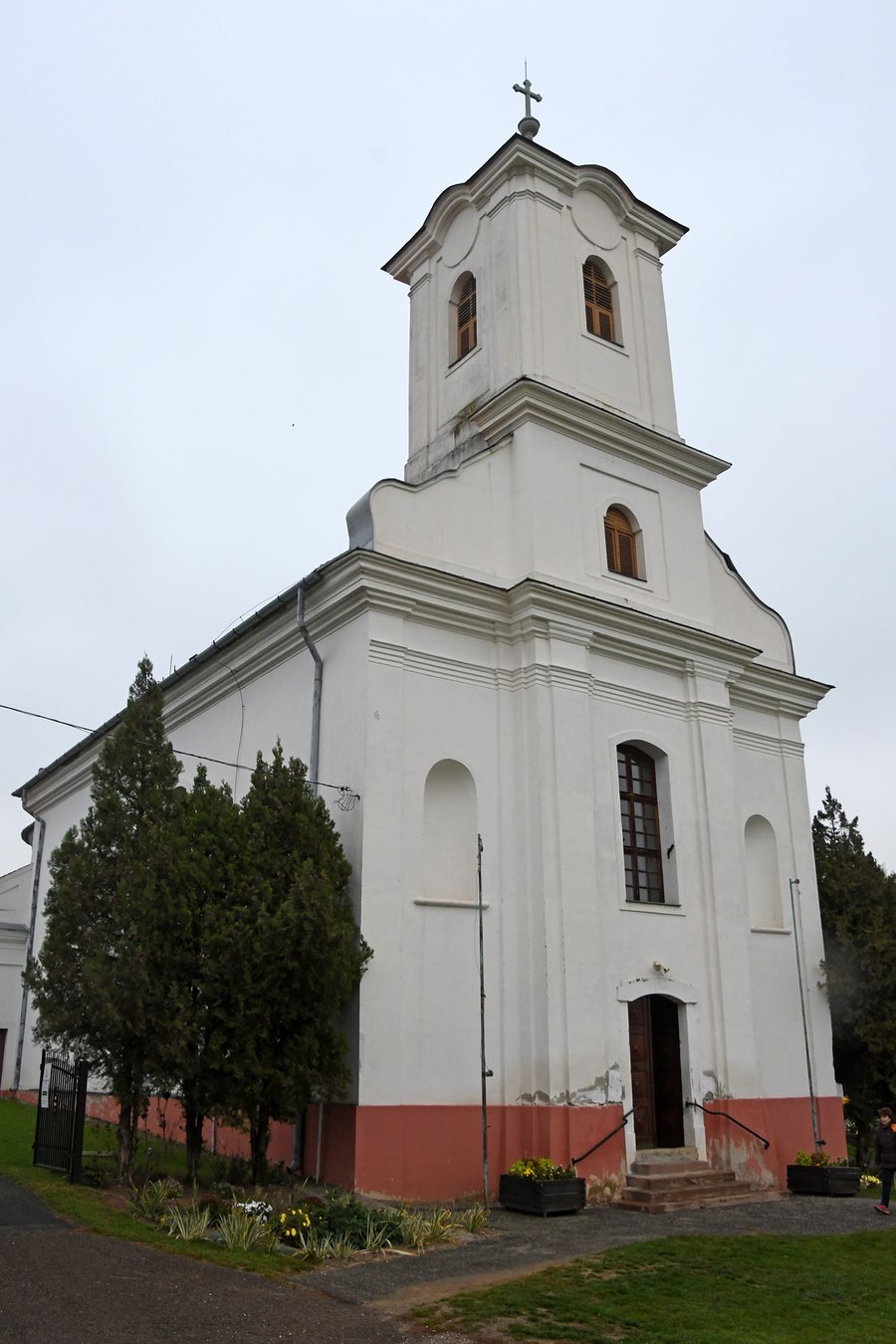 Roman Catholic church in Püspöki, Szurdokpüspöki
Photo: Pasztilla aka Attila Terbócs via Source, CC BY-SA 4.0
Szurdokpüspöki at a glance
- The animals of the Mátrai Buffalo Reserve roam freely across the approximately 120-hectare Natura 2000 site on the Laposok Plateau on the outskirts of Szurdokpüspöki, as well as within the municipality of Herencsény.
- The first stop on the Diósi Nature Trail is about 1.5 kilometres from Szurdokpüspöki. The trail has eight stops, is around 4.5 kilometres long, and takes approximately three hours to walk.
- According to local tradition, the first church stood on Hollós Hill in the Pusztafalu plot; after the Ottoman period, a second church stood east of the parish.
What nature themes define the village and its surroundings?
Free-roaming animals are at the heart of the Mátrai Buffalo Reserve. It is home primarily to Hungarian domestic water buffalo and parlagi donkeys, or domestic donkeys. The reserve thus connects a specific landscape with traditional animal husbandry, without implying any particular visitor offering.
The Diósi Nature Trail focuses on something different: its information boards introduce the natural assets of Szurdokpüspöki and the Mátra, as well as local flora and fauna. The approximate trail length and walking time provide two different measures for planning; the first stop is close to the village. This makes it possible to distinguish the nature theme of the trail from the reserve's animals.
What does local tradition tell us?
The history of the churches is presented here as a sequence of former sites. According to local tradition, the first church stood on Hollós Hill in the Pusztafalu plot. After the Ottoman period, a second church stood east of the parish. The tradition thus links two place names with different historical periods.
What other themes does the wider destination of Neuburg offer?
The wider destination of Neuburg offers further cultural and nature themes. The old village of Hollókő is a Palóc settlement in Nógrád County in northern Hungary and a deliberately preserved, living example of rural life before the 20th-century Agricultural Revolution. Pásztó Museum, meanwhile, houses permanent and changing exhibitions in a Baroque Cistercian monastery building rebuilt in 1717–1718. An open-air exhibition at the museum presents a medieval glassworks and smithy as an industrial heritage monument unique in Hungary.
The Boszorkány-kő Nature Trail in the Karancs-Medves Landscape Protection Area offers a geological perspective. Established in 1989, the protected area currently covers 6,928.6 hectares; the trail illustrates basalt volcanism from 2.4 to 5.2 million years ago. Neuburg thus brings together rural heritage, museum themes and geological processes as distinct areas of interest.
Discover more destinations: Jobbágyi, Palotás, Vanyarc, Kozárd, Garáb, Felsõtold, Szirák, Pásztó.
FAQ
What geological features can you see at Boszorkány-kő?
The trail showcases rocks from a small fissure volcano, including sediment inclusions torn from deep underground, curved lava slabs and basalt columns formed by weathering.
What does the Geocsodák House in Salgótarján offer?
The house offers interactive exhibitions and talks on geology. There are also more than 30 accessible hiking trails with information boards, which you can explore independently or with a hiking guide.
What themes are presented at Pásztó Museum?
The exhibitions in the rebuilt monastery building include an open-air display of the medieval glassworks and smithy. The museum's offerings thus bring together a historic building and industrial history.
Go to the wider travel overview: Pásztói.

