
Discover Budajenő: Culture and Local History
Accommodation in Budajenő
Budajenő offers opportunities for a culturally focused stay: a late Baroque granary, a church with a Stations of the Cross route, and places commemorating local history give the town a distinct character. If you choose a destination based on your cultural interests, you’ll find a range of topics here rather than just a single attraction.
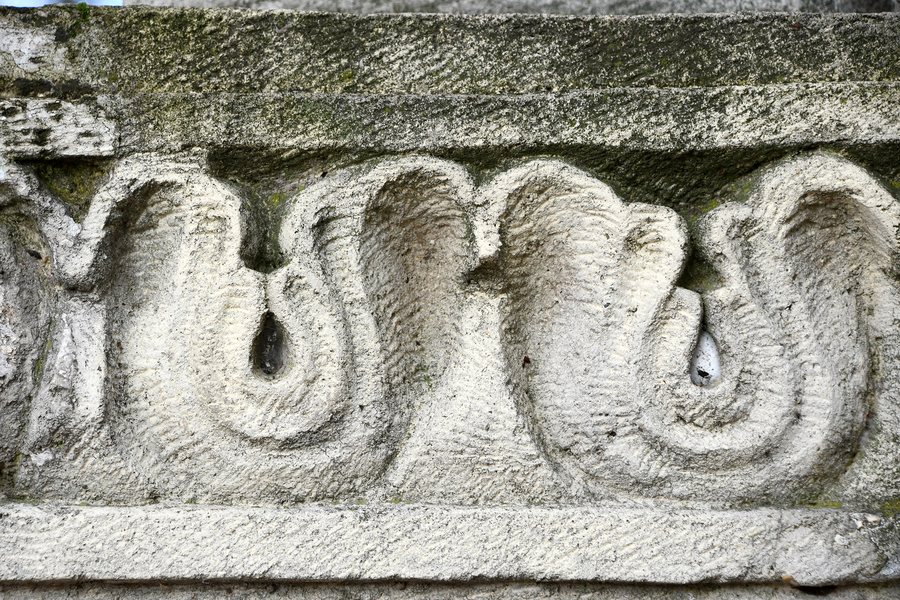 File:Budajenő, Nepomuki Szent János-szobor 2020 16.jpg
Photo: Pasztilla aka Attila Terbócs via Wikimedia Commons, CC BY-SA 4.0
File:Budajenő, Nepomuki Szent János-szobor 2020 16.jpg
Photo: Pasztilla aka Attila Terbócs via Wikimedia Commons, CC BY-SA 4.0
Budajenő: key facts
- The Magtár is a late Baroque listed building that serves as a versatile community space.
- An open-air exhibition commemorates the municipality’s ethnic past.
- The Szent Mihály Öregtemplom dates from the 14th century; a Stations of the Cross route with six double stations leads to it.
- The cellar row on Kossuth Lajos Street preserves memories of the village’s wine culture.
What culture can you discover in Budajenő?
The Magtár combines architectural history with a community purpose: the late Baroque listed building is used as a multipurpose community space. Nearby, you can see a boat installation modeled on the Ulmer Schachtel and a settler house. The open-air exhibition there commemorates the municipality’s ethnic past. Together, the building, installation and exhibition offer different ways to explore local history—from a historic structure to the memory of the people and their origins.
If you’re particularly interested in cultural memorial sites, you can take these themes into account when choosing Budajenő as a destination. The examples differ in form: the Magtár is a building with a present-day community function, while the open-air exhibition engages with historical memory. This lets you focus your cultural interests more specifically without presenting the sites as a single attraction.
What do the church and Stations of the Cross tell us about history?
The Gothic Szent Mihály Öregtemplom was built in the 14th century. It is thought to have been built on the ruins of a 12th-century church. This possible earlier building history should be distinguished from the established dating of the present church. The Stations of the Cross leading to the church were created in the 17th century by P. Jakab Miksa. The route consists of six stations, each with two niches. The suggestion that the chapel itself is the seventh double station remains an interpretation, not an established count of the six stations.
The Ó-temető, the old cemetery, is near the church. It was established in the 18th and 19th centuries. The church, Stations of the Cross and cemetery therefore point to different periods and forms of religious remembrance: a medieval church building, a route dating from the 17th century, and a cemetery that developed over two centuries.
What other traces of local history are there?
The cellar row on Kossuth Lajos Street dates from the 19th century and preserves memories of the village’s wine culture. It complements the religious and community sites with a different aspect of the past. This refers to historical wine culture, not to a present-day wine offering. The local heritage therefore brings together architectural landmarks, religious history and the memory of local wine culture.
What events and markets take place?
At the end of June, Budajenő holds a church consecration festival and village festival to mark Saints Peter and Paul’s Day, with a festive program and fairground activities. This event offers a different way to experience the town than its historic buildings and memorial sites: the focus is on the occasion and its program. If you’d like to plan your trip around this event, keep the stated timing—late June—in mind.
With the support of the municipal administration, the Kisköz Association runs a market in Budajenő every two weeks.
If you’d like to compare other destinations, you can also find pages about Pusztazámor, Páty, Budakeszi, Herceghalom, Telki, Sóskút, Törökbálint and Biatorbágy.
FAQ
When do the church consecration festival and village festival take place?
They are held in late June to mark Saints Peter and Paul’s Day. The program includes festivities and fairground activities.
How often is there a market in Budajenő?
The Kisköz Association runs a market every two weeks with the support of the municipal administration.
What commemorates the municipality’s ethnic past?
The open-air exhibition near the Magtár commemorates Budajenő’s ethnic past. You can also see a boat installation modeled on the Ulmer Schachtel and a settler house there.
For the broader travel overview: Budaörsi.

