
Ecser: Traditions and Historic Memorial Sites
Accommodation in Ecser
Ecser brings together Slovak cultural traditions, historic memorial sites and a distinctive Good Friday custom. These cultural landmarks can help you put the town in context when planning accommodation.
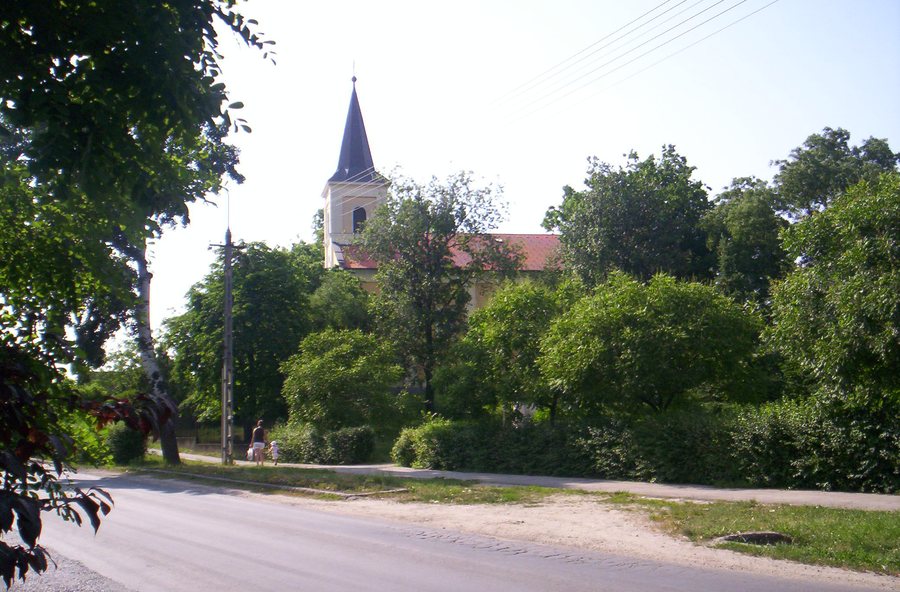
Ecser at a glance
The Ecseri Tájház supports Slovak cultural life and displays a collection of objects from Ecser’s past. The Roman Catholic church is dedicated to Saint Anthony of Padua; construction began in 1735 on the site of an older chapel. In Hősök Park, next to the church, a memorial commemorates Ecser residents who lost their lives in the Second World War. Two other historic landmarks are a stone cross from 1932 at the intersection of Kálvária utca and Szent Imra utca, and a cross dating from 1908 at the lower end of Zrínyi utca.
Which traditions shape Ecser?
Every year on Good Friday, residents go to the Szerelem stream, which runs through the village, to wash themselves symbolically. According to local folk belief, this custom is meant to preserve health, youth and beauty for the coming year. A municipal notice dated 5 April 2026 describes the tradition as an annual event. The custom connects a specific place in the village with the belief about what the symbolic washing is meant to achieve.
Wedding customs from Ecser also have cultural significance beyond the town: the national dance work “Ecseri lakodalmas” was choreographed by Miklós Rábai and inspired by these customs.
What do the church and memorial sites tell us?
The single-nave Baroque Roman Catholic church is dedicated to Saint Anthony of Padua. Construction began in 1735 on the site of an older chapel. The date and the former chapel site give the building’s history a specific point of reference. Right beside it is Hősök Park, with a memorial to Ecser residents who lost their lives in the Second World War. The church and memorial site stand side by side, but tell different stories: one is a religious building, while the other commemorates the town’s war dead.
The two crosses can be distinguished by their locations and dates. The stone cross at the corner of Kálvária utca and Szent Imra utca was erected in 1932 by Szlifka András and his wife, Csaja Julianna. The cross at the lower end of Zrínyi utca dates from 1908 and is different from the one at the upper end of the street. These details help distinguish the individual memorials rather than treating them as a single monument.
How does Ecser’s cultural history come to life?
The Ecseri Tájház is dedicated to Slovak cultural life, displays a collection of objects from Ecser’s past and is intended to host community programs. For travelers, it therefore offers two perspectives: the house’s cultural role and objects connected with the town’s history.
Traditional folk dress is another historic cultural reference. As early as the mid-19th century, Ecser stood out from the surrounding villages for its rich, elaborate costumes. Together with the dance work “Ecseri lakodalmas,” these offer different ways to explore wedding customs and Ecser’s cultural past.
What should you check before visiting the Tájház?
The house rules, dated 2012, stipulated that visits had to be arranged in advance with representatives of the Ecseri Szlovák Önkormányzat or board members of the Ecseri Zöldkoszorú Hagyományőrző Kör. This arrangement may have changed. Beforehand, check whether a visit is currently possible and which organization can arrange it. This lets you plan your Tájház visit based on up-to-date information rather than relying solely on the earlier rules.
Explore more destinations: Gomba, Maglód, Vasad, Nyáregyháza, Gyömrő, Vecsés, Pilis, Monor.
FAQ
What tradition in Ecser is associated with Good Friday?
Every year, residents go to the Szerelem stream to wash themselves symbolically. Folk belief links the custom with health, youth and beauty for the coming year.
What is “Ecseri lakodalmas”?
It is a national dance work choreographed by Miklós Rábai and inspired by wedding customs in Ecser.
What commemorates Ecser’s war dead?
A memorial to Ecser residents who lost their lives in the Second World War stands in Hősök Park next to the church.
Can I visit the Ecseri Tájház without an appointment?
The 2012 house rules stipulated that visits had to be arranged in advance. As the rules may have changed, check beforehand whether visits are currently possible and whom to contact.
Go to the higher-level travel overview: Monori.

