
Vecsés: Culture, Literature and Sauerkraut Tradition
Accommodation in Vecsés
In Vecsés, ecclesiastical history, literary heritage and a regional sauerkraut tradition come together. When planning your trip, you can distinguish between enduring cultural themes and a festival program tied to specific dates.
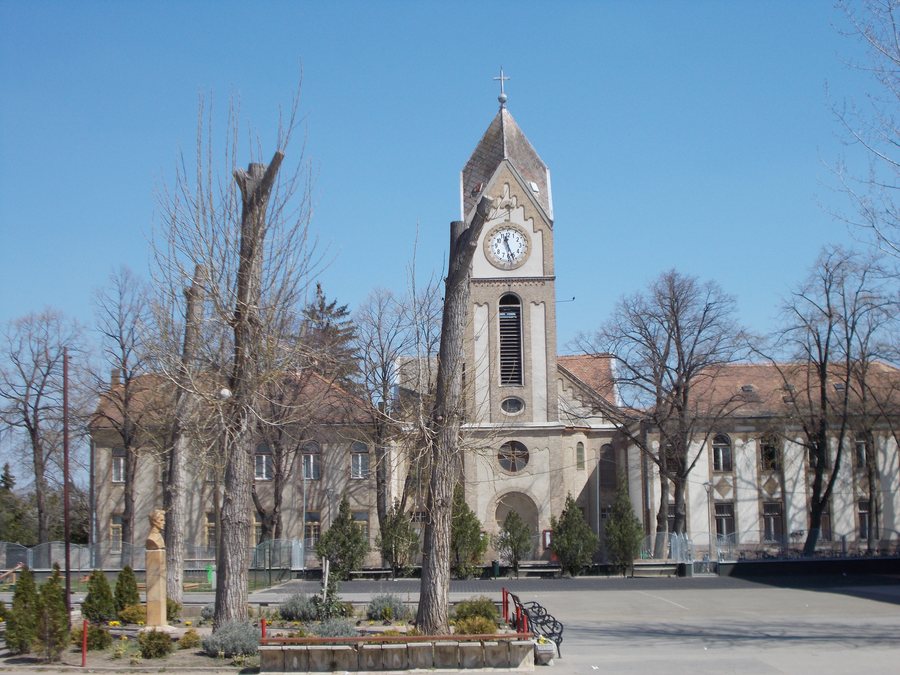
Quick facts about Vecsés
- The bell beside the Szent Kereszt Felmagasztalása templom was cast in 1813.
- The park in the central Szent István tér features several monuments and a drinking fountain.
- Vecsési savanyú káposzta is part of the Hungarikumok collection.
- The Bálint Ágnes Emlékház at Barcsai utca 1 preserves the writer’s work.
Which places tell the story of Vecsés’ history?
A specific historical point of reference is the bell in the belfry beside the Szent Kereszt Felmagasztalása templom. It was cast in 1813. This puts a single historical object at the center, while the park at Szent István tér brings together several memorials. The two places offer different perspectives rather than telling the same kind of history.
The park contains the Újratelepítési emlékmű, the Koronás Ivókút and a memorial post commemorating the 40th anniversary of the 1956 Revolution. Their names and dedications give the square a historical and commemorative character. If you are interested in local memorial sites, you will find several distinct points of reference here in one central location.
The Bálint Ágnes Emlékház at Barcsai utca 1 offers a literary perspective. It preserves the work of the writer Bálint Ágnes, who lived and worked in Vecsés. Thus, in addition to the bell and monuments, the town’s history also includes literature and the memory of a person whose life was connected to the place.
What makes the sauerkraut tradition special?
Vecsési savanyú káposzta is a local sauerkraut tradition associated with Swabian recipes passed down through generations and high-quality local ingredients. It is part of the Hungarikumok collection. This makes it a distinct cultural focus in Vecsés: not a single memorial site, but a food culture whose connection to the place lies in the product and the passing down of recipes.
This distinction is useful when weighing up your interests: those interested in regional cuisine will find a different way to connect with the town than through literature or monuments.
Which festival programs are tied to specific dates?
Information about the Káposztafeszt relates to specific editions. On September 20 and 21, 2025, Epres was the main event venue; programs were also held at the Tájház on both days. For the festival weekend on September 26 and 27, 2026, the Tájház program included activities focused on preserving traditions and demonstrations. There were also animal encounters, strudel-making and demonstrations of traditional crafts.
These two date-related notes should not be conflated: the information about Epres as the main event venue applies to the 2025 edition, while the specific activities at the Tájház were part of the 2026 weekend. If a festival program is important to your stay, plan around the relevant date. The activities describe that particular festival weekend, not a regular offering on other days.
What is there for children?
The Mazsola játszóház at the Bálint Ágnes Kulturális Központ offers children a place to play. This complements the cultural themes with a different focus that may be of interest when traveling with children. Check the current operating details before visiting.
How can you factor these themes into your accommodation search?
When looking for a hotel in Vecsés, you can first decide what kind of connection to the town matters for your stay: historical memorial sites, literature, regional food culture or a festival program with fixed dates. The first three themes are different facets of cultural and culinary heritage. A festival visit, by contrast, depends on the relevant edition and its dates.
This distinction helps you understand Vecsés through more than a single attraction. You can choose the focus that suits your travel interests and take specific festival dates into account separately. When choosing a hotel, it is still sensible to assess your accommodation needs independently of the cultural themes.
Discover more destinations: Maglód, Nyáregyháza, Pilis, Vasad, Gyömrő, Gomba, Ecser, Monor.
FAQ
Where is the bell from 1813 located?
It hangs in the belfry beside the Szent Kereszt Felmagasztalása templom in Vecsés.
What is Vecsési savanyú káposzta?
It is a local sauerkraut tradition associated with Swabian recipes, local ingredients and knowledge passed down through generations.
What was included in the Tájház program in 2026?
On September 26 and 27, the program included activities focused on preserving traditions, demonstrations, animal encounters, strudel-making and demonstrations of traditional crafts.
For the broader travel overview: Monori.

