
Szentgáloskér: Baroque Church and Protected Buildings
Accommodation in Szentgáloskér
Szentgáloskér brings together a clearly dated Baroque building and other protected monuments. When planning your trip, it is worth noting which buildings are located in the village, in Lapapuszta, or specifically outside the built-up area.
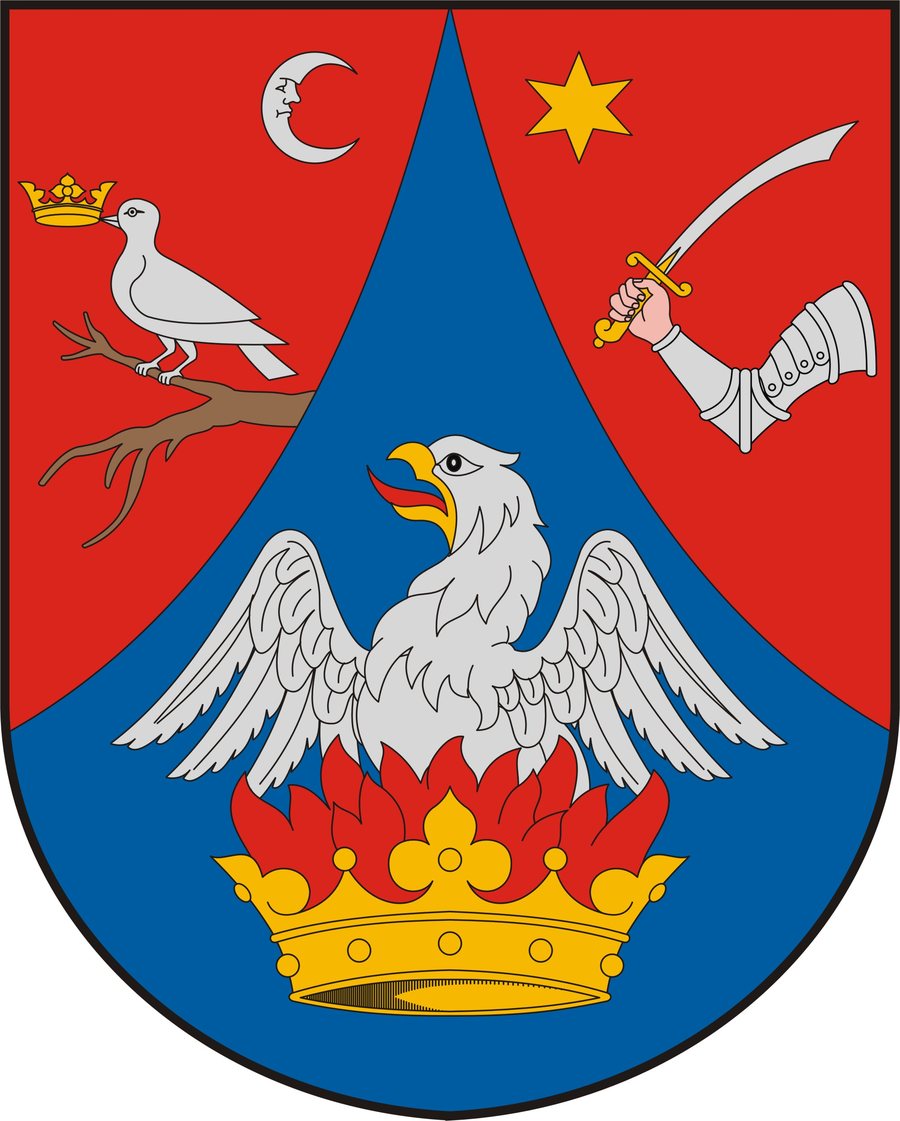 File:HUN Szentgáloskér COA.jpg
Photo: Nemzeti Fejlesztési Minisztérium via Wikimedia Commons, Public domain
Szentgáloskér at a glance
- The Roman Catholic church was built in the Baroque style in 1749 and is a nationally protected building.
- The former Swastich manor house is locally protected and is located at 1/b Akácfa Street.
- Locally protected buildings also include the bell tower in Lapapuszta, a statue of Saint Vendel outside the built-up area, and the former Kladnigg Castle outside the built-up area.
What gives the buildings their distinct character?
The Roman Catholic church is the monument with a clearly documented date among those listed locally: it was built in the Baroque style in 1749 and is nationally protected. Its construction date, architectural style, and protected status give visitors interested in culture concrete points of reference for understanding its place among the monuments. Comparing it with the former Swastich manor house shifts the focus from a religious building to a manor house, which is also protected but has its own specific location: 1/b Akácfa Street.
The bell tower in Lapapuszta is also among the locally protected buildings. For the statue of Saint Vendel and the former Kladnigg Castle, the location outside the built-up area is explicitly noted. This makes it possible to distinguish between a monument with a precise street address, a building in Lapapuszta, and two monuments outside the built-up area. Each location is given its own point of reference, rather than being presented as a single ensemble.
How can you distinguish between the monument locations?
If you are interested in architectural history, the church’s construction date and Baroque style provide a precise starting point. The former Swastich manor house adds another locally protected building to this picture. The bell tower, statue, and former Kladnigg Castle broaden the selection with other named monument locations. These differences can help you decide in advance which buildings you would like to learn more about.
When planning your trip, it is useful to consider each location separately: 1/b Akácfa Street identifies the manor house, Lapapuszta is the location of the bell tower, and the statue and former castle are located outside the built-up area. If you plan to visit several monument locations, check in advance whether they can be visited.
Which regional themes complement the focus on monuments?
The wider destination of Balaton – South also offers nature and landscape as a distinct focus. In 2009, the Zselici Tájvédelmi Körzet was designated an International Dark Sky Park because of its low light pollution; the Zselici Csillagpark was built in the heart of the protected area. This combination of a protected area and a dark sky park offers a different focus from Szentgáloskér’s architectural history.
Somogy County is home to, among other places, Kis-Balaton, the Zselici Tájvédelmi Körzet, Barcsi Ősborókás, and Babócsai Basakert. Baláta lies between Kaszó and Szenta and is considered one of Somogy’s most valued natural assets. The wider Dráva network for active tourism is another attraction: its section in Somogy County includes stopping points for water tourism.
Discover more destinations: Bőszénfa, Felsőmocsolád, Kaposkeresztúr, Somogyaszaló, Kercseliget, Alsóbogát, Gadács, Polány.
FAQ
Which building dates to 1749?
The Roman Catholic church in Szentgáloskér was built in the Baroque style in 1749 and is nationally protected.
Which monuments are located outside the built-up area?
The locally protected statue of Saint Vendel and the former Kladnigg Castle are located outside the built-up area.
Which nature and active tourism themes are mentioned for Balaton – South?
The wider destination includes, among other things, the dark sky park in the Zselici Tájvédelmi Körzet, designated in 2009, other natural assets in Somogy, and water tourism stopping points along the Dráva network’s section in Somogy County.
For the wider travel overview: Kaposvári.

