
Gadács: Evangelical Local History and Resettlement
Accommodation in Gadács
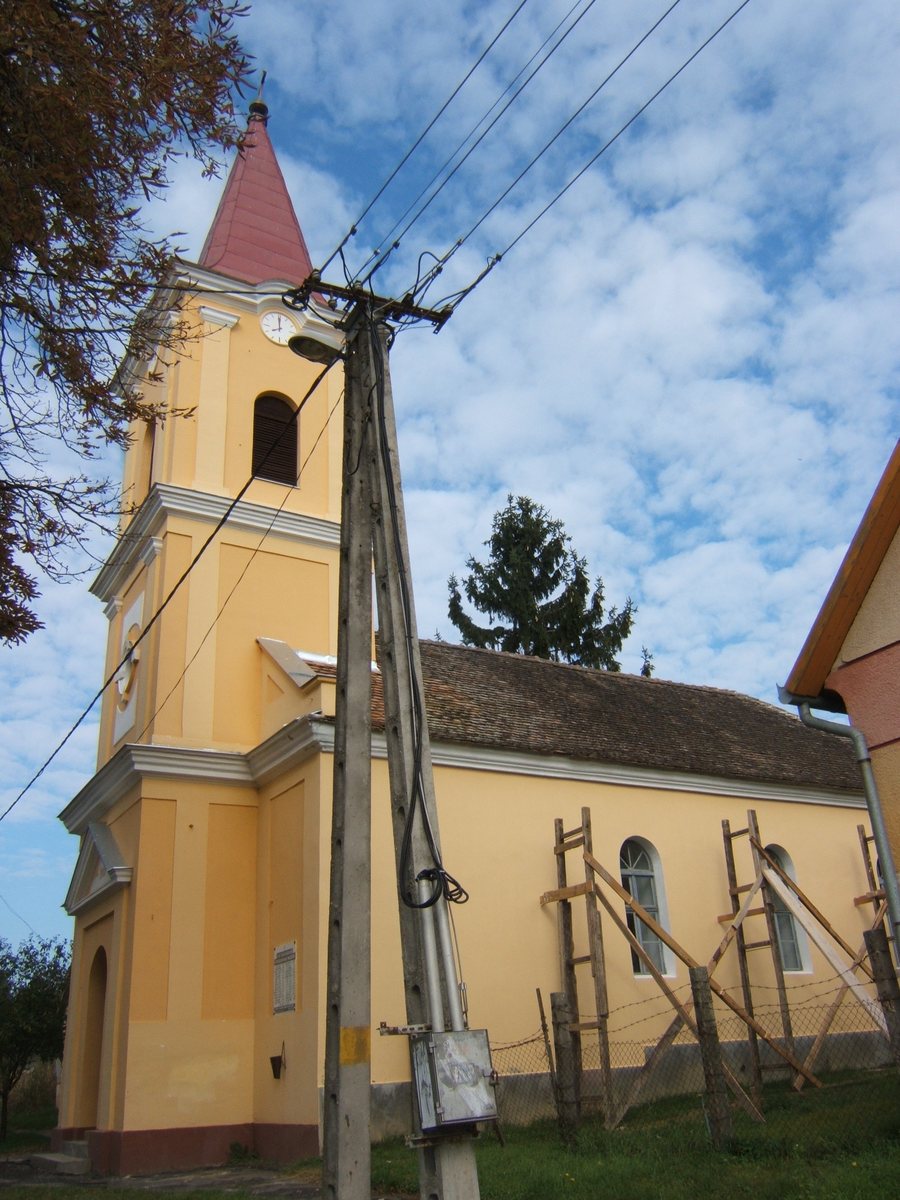
Gadács can be explored through its local history and evangelical community. After the population declined during Ottoman rule, landowners settled German farming families in the village; the coat of arms recalls this resettlement. The evangelical church on Fő utca and its renovation in 1989 add to the historical picture. This gives you a clearly defined cultural and historical theme for planning your trip; additional nature themes belong to the wider travel destination of Southern Lake Balaton.
Gadács at a glance
- There is an evangelical church on Fő utca.
- The evangelical community, reduced to 30 members, renovated its church in 1989 with support from several parties.
- The coat of arms recalls the resettlement that followed the population decline during Ottoman rule.
- The year 1900 and a handover to the community are associated with the church.
What does the local history tell us?
The sequence begins with the depopulation of Gadács during Ottoman rule. The landowners then settled German farming families in the village. The coat of arms recalls this resettlement, linking a local symbol with the historical change described. The sequence is important for understanding the story: settlement followed depopulation, and the coat of arms recalls it. The local history can thus be understood through two connected aspects—the disruption and its commemoration in the coat of arms.
What history is associated with the evangelical church?
The evangelical church is on Fő utca. In 1989, the community renovated the building after its membership had fallen to 30. Support came from the Bavarian Evangelical Church, people from Gadács living abroad, and the council of Igal. The supporters thus included several different groups: an evangelical church, people from Gadács who lived abroad, and the council of Igal. The year 1900 and a handover to the community are also associated with the church. The 1989 renovation and this additional connection to the church are both part of the local history.
What nature themes belong to the wider travel destination of Southern Lake Balaton?
In the wider travel destination of Southern Lake Balaton, the Zselici Tájvédelmi Körzet was awarded International Dark Sky Park status in 2009 because of its low light pollution. The Zselici Csillagpark was established in the heart of the protected area. The reason for the award—low light pollution—is itself a precise indication of this regional nature theme.
Somogy County includes, among other places, Kis-Balaton, the Zselici Tájvédelmi Körzet, Barcsi Ősborókás, and Babócsai Basakert. Baláta lies between Kaszó and Szenta and is considered one of Somogy’s most highly valued natural assets. These names provide a broader regional overview, but should not be understood as features of Gadács.
Another focus is water tourism: on its section in Somogy County, the interregional Dráva active tourism network includes stops for water tourism. Individual facilities may change as they develop. If you include these stops in your plans, check the latest information in advance. This makes it possible to distinguish the regional themes according to your interests: a dark sky park and protected area, named natural assets, and water-related infrastructure.
Discover more destinations: Alsóbogát, Mosdós, Taszár, Mernye, Hajmás, Kercseliget, Kaposkeresztúr and Szentgáloskér.
FAQ
Where is the evangelical church?
It is on Fő utca in Gadács.
What is the connection between the year 1900 and the church?
The year 1900 and a handover to the community are associated with the evangelical church.
Why was the Zselici Tájvédelmi Körzet awarded International Dark Sky Park status?
It received the designation in 2009 because of its low light pollution. The Zselici Csillagpark was established in the heart of the protected area.
For the wider travel overview: Kaposvári.

