
Discover Somogyszentpál
Accommodation in Somogyszentpál
Somogyszentpál brings together Baroque church art and folk art with a hiking destination at the remains of a medieval church. The narrow-gauge railway is also part of the local experience: from the train window, you can observe plants and wildlife as well as grazing herds of cattle and buffalo.
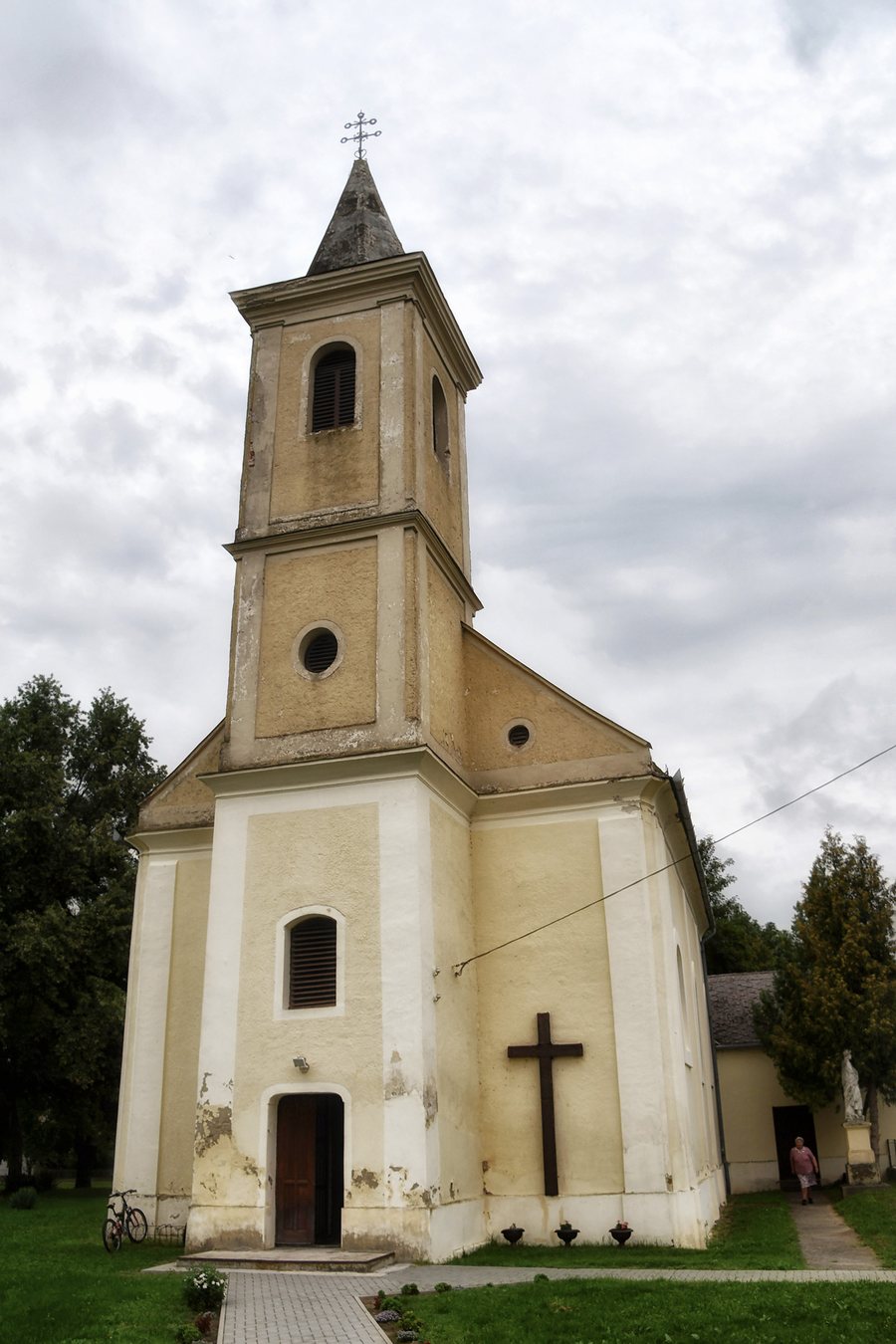 File:Somogyszentpál, Páduai Szent Antal-templom 2020 01.jpg
Photo: Pasztilla aka Attila Terbócs via Wikimedia Commons, CC BY-SA 4.0
File:Somogyszentpál, Páduai Szent Antal-templom 2020 01.jpg
Photo: Pasztilla aka Attila Terbócs via Wikimedia Commons, CC BY-SA 4.0
Somogyszentpál at a glance
- The Catholic church was built in the Baroque style between 1774 and 1778 in honor of Saint Anthony of Padua.
- The front room of the Tájház is furnished with traditional folk art.
- The Varjaskéri church ruins are a popular hiking destination, reached via an unpaved path.
- Somogyszentpál can be reached by the narrow-gauge railway between Balatonfenyves and Somogyszentpál.
What cultural sights are there?
The Catholic church is an example of Baroque architecture in the village. It was built between 1774 and 1778 in honor of Saint Anthony of Padua. Visitors interested in churches and historic architectural styles will find a tangible cultural point of interest in Somogyszentpál.
The Tájház offers a different perspective on local culture. Its front room is furnished with traditional folk art.
The village’s landmarks also include 26 roadside wayside shrines and stone crosses, which are continually being restored. These small religious monuments are another facet of Somogyszentpál’s culture. Together with the church and the Tájház, they appeal to travelers interested not only in the landscape and outdoor activities but also in religious art and traditional design.
What can you expect at the Varjaskéri church ruins?
Only the western entrance and façade wall remains of the medieval brick church at the Varjaskéri church ruins. The surviving wall shows which part of the building is still standing; the former ground plan can be traced from the mounds of earth. They mark the foundation lines of the church from its first and second construction phases, as well as the cemetery wall.
The ruins are considered a popular hiking destination. The unpaved path leading there starts at the beginning of Ady Endre Street. For planning your trip, both the nature of the destination and the described starting point of the path are relevant. The surviving façade wall and the foundation lines marked in the terrain offer different impressions: the visible remains of the medieval building on the one hand, and traces of its earlier construction phases and the cemetery on the other.
What can you see from the narrow-gauge railway?
Somogyszentpál can be reached by the narrow-gauge railway between Balatonfenyves and Somogyszentpál. The train journey also offers views of the plants and wildlife along the route: from the train window, you can also spot grazing herds of cattle and buffalo. If you are interested in observing nature, you can take this into account when deciding whether to travel by narrow-gauge railway.
This helps you choose a destination to suit your interests without combining the different experiences into a single activity.
If you would like to compare other destinations, you can also find information about Kéthely, Vörs, Varászló, Balatonszentgyörgy, Somogysimonyi, Nagyszakácsi, Gadány and Marcali.
FAQ
When was the Catholic church in Somogyszentpál built?
It was built in the Baroque style between 1774 and 1778 in honor of Saint Anthony of Padua.
How do you get to the Varjaskéri church ruins?
An unpaved path to the ruins starts at the beginning of Ady Endre Street.
What remains of the medieval church?
Only the western entrance and façade wall remains. Mounds of earth also mark the foundation lines from the first and second construction phases, as well as the cemetery wall.
What can you observe from the narrow-gauge railway?
From the train window, you can observe plants and wildlife as well as grazing herds of cattle and buffalo.
For the broader travel overview: Marcali.

