
Discover Somogysimonyi
Accommodation in Somogysimonyi
Somogysimonyi offers specific points of interest for culture and nature: a church with memorial plaques, Gödör-berki Forest and the marked Somogyi Kék Túra. The local and regional themes can help you plan your trip around culture, forests and routes.
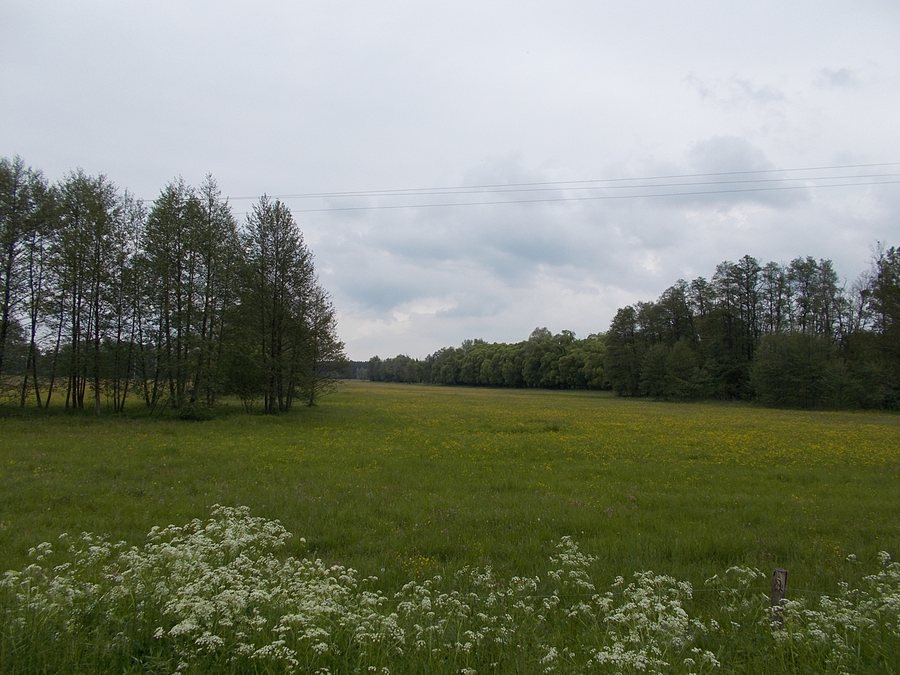 Somogysimonyi - tájrészlet a község határában
Photo: Szeder László via Wikimedia Commons, CC BY-SA 4.0
Somogysimonyi - tájrészlet a község határában
Photo: Szeder László via Wikimedia Commons, CC BY-SA 4.0
Somogysimonyi at a glance
- The Roman Catholic church was built in 1932; plaques inside commemorate those who fell in the First and Second World Wars.
- Gödör-berki Forest separates Somogysimonyi from Nemesvid. Its characteristic tree species is oak; lilies of the valley bloom there in spring.
- The marked Somogyi Kék Túra passes through Somogysimonyi and continues to Kis-Balaton.
What cultural history shapes the village?
Plaques mounted inside the Roman Catholic church commemorate those who fell in both world wars; their names are recorded there. The memorial therefore refers to the First and Second World Wars. Together with the church’s construction date of 1932, this provides a specific historical context for understanding Somogysimonyi: the church has its own period of origin, while the plaques are dedicated to the names of those who fell. For travelers interested in local commemorative history, this is a distinctive cultural aspect of the village. The plaques refer to both wartime periods and are mounted inside the church.
What characterizes Gödör-berki Forest?
Gödör-berki Forest forms the boundary between Somogysimonyi and Nemesvid. Oak is its characteristic tree species; lilies of the valley add a seasonal touch in spring. These details combine two distinct natural features: oak characterizes the forest, while the blossoms are specifically associated with spring. If you take nature into account when planning your trip, you can distinguish this enduring feature of the landscape from a seasonal one. The forest is thus a distinct natural aspect of the village’s description, alongside the church’s cultural significance.
How can the Somogyi Kék Túra be described?
The marked Somogyi Kék Túra passes through Somogysimonyi and continues to Kis-Balaton. These two place names describe different points along the route: Somogysimonyi lies on the route, while Kis-Balaton is named as its continuation. If you would like to include the route in your travel plans, check the current trail markings and path conditions before setting out. This lets you compare the route information with the conditions for your specific plans, without assuming a particular walking time or distance.
What other nature and activity themes are there in the broader destination of Lake Balaton - South?
Other regional themes complement the local information in the broader destination of Lake Balaton - South. In 2009, the Zselici Tájvédelmi Körzet received the title of International Dark Sky Park because of its low light pollution. Zselici Csillagpark was established in the heart of the protected area. Somogy County is home to Kis-Balaton, Zselici Tájvédelmi Körzet, Barcsi Ősborókás and Babócsai Basakert, among other places.
Also within the broader region, the interregional Dráva active tourism network includes water-tourism stops along its section in Somogy County. Baláta lies between Kaszó and Szenta and is considered one of Somogy’s most valued natural assets. Thus, alongside the dark sky park, the broader destination also features water and nature themes to consider when exploring the region more widely.
Discover more destinations: Marcali, Somogyszentpál, Nagyszakácsi, Balatonberény, Nikla, Böhönye, Vörs, Balatonújlak.
FAQ
Whom do the plaques in the church commemorate?
The plaques mounted inside the church list the names of those who fell in the First and Second World Wars.
When do lilies of the valley bloom in Gödör-berki Forest?
Lilies of the valley bloom in spring.
What should you check before setting out on the Somogyi Kék Túra?
Before setting out, check the current trail markings and path conditions.
Go to the broader travel overview: Marcali.

