
Discover Gerjen: Danube history and culture
Accommodation in Gerjen
Gerjen brings together the history of the Danube floodplain landscape, religious tradition and traces of long-standing settlement. When planning your trip, it is worth distinguishing between these themes: some relate to the former landscape, while others concern religious practice or archaeological finds in the surrounding area.
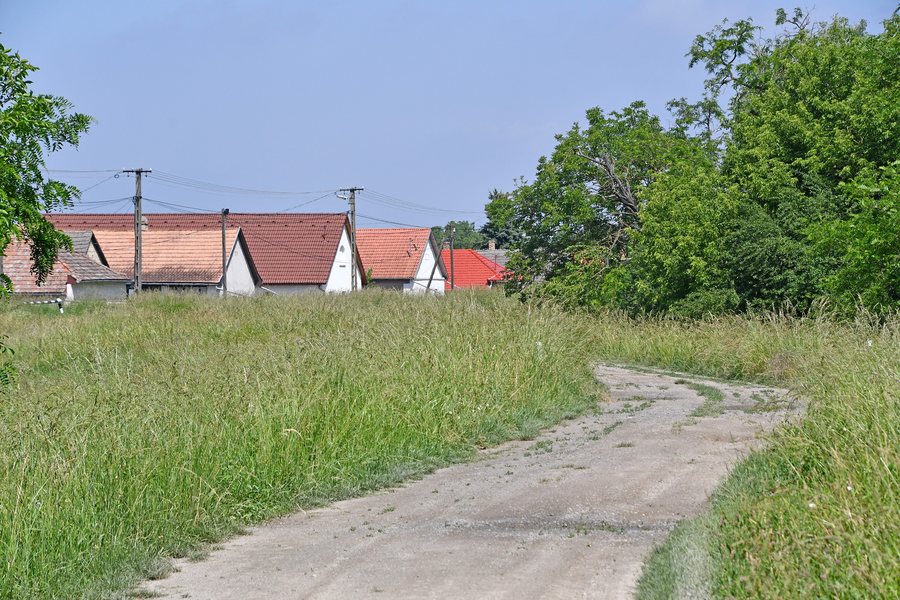 File:Gerjen, Duna-parti töltés 2024 01.jpg
Photo: Pasztilla aka Attila Terbócs via Wikimedia Commons, CC BY-SA 4.0
Quick facts about Gerjen
For centuries, Gerjen was part of the Danube floodplain landscape; this past is part of the village’s heritage. Despite changes, the Danube riverbank near Gerjen and its surroundings have preserved some places that recall the former floodplain landscape and hold ecological value. The Roman Catholic church in Gerjen was dedicated to the Heart of Mary in 1949. In honour of Our Lady of Fátima, the faithful make pilgrimages there on the 13th of each month from May to October.
What does the history of the landscape tell us?
Gerjen’s centuries-long connection with the floodplain landscape is part of its history. Distinct from this are the places along the Danube riverbank and in the surrounding area which, despite changes, recall this former landscape. They also hold ecological value. The information therefore describes both a historical heritage and surviving connections to the former floodplain landscape.
The hills shaped by the Danube also belong to this long timescale: over thousands of years, they repeatedly provided a habitat for people. For travellers who want to consider landscape and history together, two perspectives sit side by side: the former floodplain landscape and the repeated human settlement of the hills.
Which religious and historical themes shape Gerjen?
A church in the centre of the village was built between 1871 and 1873. The Roman Catholic church in Gerjen was dedicated to the Heart of Mary in 1949 and is a Marian pilgrimage site. In honour of Our Lady of Fátima, the faithful make pilgrimages there on the 13th of each month from May to October. The season and monthly date give the pilgrimage a distinct place in the annual calendar.
Another archaeological point of interest is Csamony, 1–2 kilometres north of Gerjen. A 2018 archaeological field survey identified traces of a settlement from the Avar period there. The site is therefore in the destination’s immediate vicinity. Together with the hills that were inhabited over thousands of years, it offers a glimpse of various historical traces, without attributing the finds at Csamony to Gerjen itself.
What else does the wider destination of Tolna offer?
If you consider Gerjen in a broader context, the wider destination of Tolna offers other themes to explore. Tamási Thermal Bath has a sauna area, leisure pools and medicinal water. As specific facilities and opening arrangements may change, check the latest information before visiting. The Pacsmag Lakes are an important Hungarian habitat for the strictly protected ferruginous duck.
In Szekszárd, the Babits Mihály Memorial House is located in the more than two-hundred-year-old Kelemen House; it is a literary memorial site. Also in Szekszárd, the Wosinsky Mór Museum is open to visitors daily from 10:00 to 17:00, except Mondays. Opening hours may vary on public holidays; check the hours before your visit. Another historical highlight of Tolna is Pipo Castle, built by Filippo Scolari, who came from Florence.
The Duna-Rock Motoros Találkozó was held in Gerjen for the 17th time. If the gathering is relevant to your travel plans, check in advance which dates have been announced for this year.
Discover more destinations: Paks, Németkér, Dunaföldvár, Bikács.
FAQ
What recalls the former floodplain landscape in Gerjen?
For centuries, Gerjen was part of the Danube floodplain landscape. Despite changes, some places along the Danube riverbank and in the surrounding area recall this former landscape and hold ecological value.
When do the pilgrimages take place?
In honour of Our Lady of Fátima, the faithful make pilgrimages to the Roman Catholic church in Gerjen on the 13th of each month from May to October.
What archaeological traces can be found near Gerjen?
At Csamony, 1–2 kilometres north of Gerjen, a 2018 archaeological field survey identified traces of a settlement from the Avar period.
For the wider travel overview: Paksi.

