
Püspökmolnári: Gravel Pit Lake and Bell Towers
Accommodation in Püspökmolnári
The gravel pit lake shapes Püspökmolnári, with more than 30 purpose-built fishing spots. Two bell towers and the Százéves hársfa provide further distinctive landmarks, offering waterside and cultural points of interest to help you plan your trip.
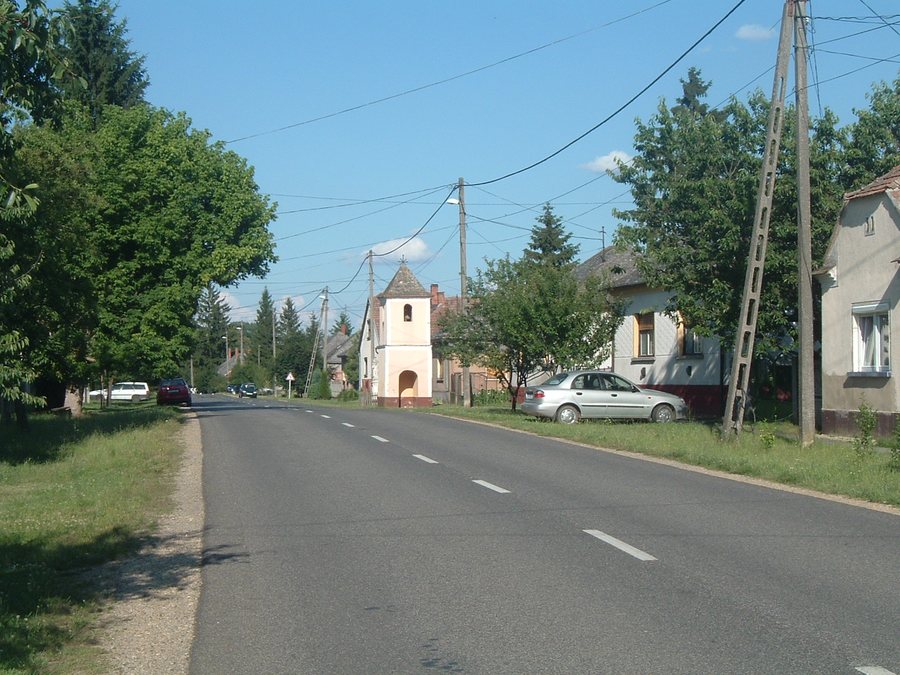
Püspökmolnári at a glance
- There are more than 30 purpose-built gravel fishing spots at Püspökmolnári gravel pit lake, adapted to the terrain.
- Steps have been built where there are differences in elevation between the bank slope and the fishing spot.
- Along the shore and on the peninsula, there are wooden seating areas with tables and benches, individual benches, fire pits and waste bins.
- The Püspöki harangláb stands at the corner of Petőfi Sándor utca and Dózsa György utca; the Szenttamási harangláb stands beside the prayer house of the Püspökmolnári Lutheran branch congregation.
- The Százéves hársfa is an important landmark on the edge of the village. A path beside it leads to Pápai-öntés, which is used as a beach, and to the Molnári anglers’ huts.
What does the gravel pit lake offer anglers?
The more than 30 purpose-built fishing spots are made of gravel and adapted to the terrain. Where there are differences in elevation between the bank slope and a fishing spot, steps have been added. The facilities highlight two specific features of the lake: the number of fishing spots and how they are adapted to the terrain.
Facilities for breaks by the water are also mentioned. Wooden seating areas with tables and benches, as well as individual benches, can be found along the shore and on the peninsula. There are also fire pits and waste bins. If you are planning to use a particular facility during your visit, check its condition in advance.
Which local landmarks can you discover?
The Püspöki harangláb, the bell tower of Püspökmolnári, stands at the corner of Petőfi Sándor utca and Dózsa György utca. The Szenttamási harangláb is beside the prayer house of the Püspökmolnári Lutheran branch congregation. The two locations therefore offer different points of reference: a street corner and a prayer house.
On the edge of the village, the Százéves hársfa is now an important landmark. The tree’s actual age is uncertain. A path beside the linden leads to Pápai-öntés, which is used as a beach, and to the Molnári anglers’ huts. The lake and the local landmarks thus offer different points of reference for planning a trip: the fishing spots are a focus if you are interested in fishing, while the bell towers and the linden provide specific connections to the local landscape.
What other themes are covered by the wider destination of Eisenburg?
The Írottkő Nature Park lies in the northwestern part of Vas County, within the wider destination of Eisenburg. The nature park includes the entire 4,303-hectare Kőszeg Landscape Protection Area. Also in Eisenburg, Őrség National Park was established on March 1, 2002, to preserve and present the natural, ethnographic and cultural-historical values of Őrség.
For cycling tours, the Termál Kerékpáros Túraút in Vas County leads to five thermal bath complexes. The route combines cycling with visits to architectural and natural landmarks, as well as other thermal baths. Another themed route, the Vulkán Tour, leads to Kis-Somlyó, Ság-hegy and Belső-hegy. These details describe different options within the wider destination of Eisenburg.
Thermal baths and cultural sites are also among Eisenburg’s themes. Bükfürdő lies at the boundary between Alpokalja and Kisalföld, two kilometres from the small town of Bük. It is an independent medical and tourist centre and one of Hungary’s spa towns. Sárvári Gyógy- és Wellnessfürdő offers a wide range of medical, health-promoting and leisure services.
The Vasi Skanzen presents the rural way of life and folk architecture of Vas County from the past two centuries. Since the open-air museum opened in 1973, it has rescued and rebuilt 43 buildings from 27 settlements. Romanesque churches also add to the area’s cultural appeal: the Church of St Michael in Csempeszkopács was built around 1250, and the Romanesque church of Ják Abbey was consecrated in 1256.
Discover more destinations: Petőmihályfa, Alsóújlak, Hegyhátszentpéter, Csehimindszent, Szemenye, Rábahídvég, Sárfimizdó, Gersekarát.
FAQ
How many fishing spots are there at the gravel pit lake?
There are more than 30 purpose-built gravel fishing spots. They are adapted to the terrain; steps have been built where there are differences in elevation between the bank slope and the fishing spot.
Where are the two bell towers?
The Püspöki harangláb stands at the corner of Petőfi Sándor utca and Dózsa György utca. The Szenttamási harangláb is beside the prayer house of the Püspökmolnári Lutheran branch congregation.
What is along the path by the Százéves hársfa?
The linden is an important landmark on the edge of the village. A path beside it leads to Pápai-öntés, which is used as a beach, and to the Molnári anglers’ huts. The tree’s actual age is uncertain.
For the wider travel overview: Vasvári.

