
Balatoncsicsó: Church Ruin, Wine and History
Accommodation in Balatoncsicsó
Balatoncsicsó combines a significant church ruin with church history, wine experiences and a long circular cycling route. This gives you concrete options when planning your trip: you can focus on cultural history, a wine tasting or cycling.
Balatoncsicsó at a glance
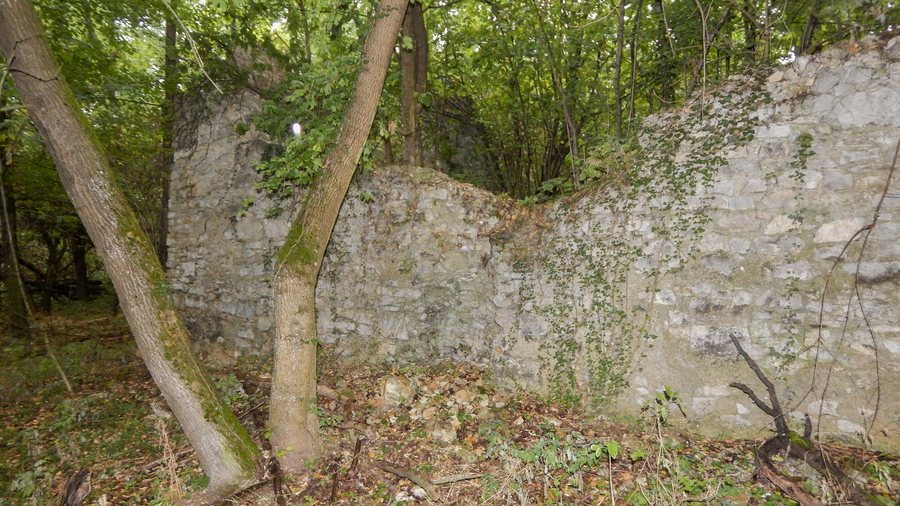
- The ruin of the Church of Szent Balázs is a specially protected architectural monument and an archaeological site.
- Construction of the Roman Catholic Church of Szent Ágoston began in 1777; it was consecrated in 1781.
- The 49 km Nivegy Valley Panorama Cycling Loop passes through Balatoncsicsó.
- At Szabó és Fia Borpince, a wine tasting, vineyard tour and wine dinner are well worth considering. Confirm the arrangements with the operator before your trip.
Which churches and historical features shape the town?
The Roman Catholic Church of Szent Ágoston has a clear historical timeline: construction began in 1777 under parish priest Jankó Ádám. In 1781, the church was consecrated in honor of Bishop Szent Ágoston. The ruin of the Church of Szent Balázs adds an older architectural feature. The small, single-nave church probably dates from the 12th century and later became the choir of the Church of Szent Balázs. Around 1300, a larger nave with a west gallery and tower was added to the west.
The ruin was conserved in 2001 according to plans by H. Nándori Klára. Its dual classification as an architectural monument and archaeological site makes it interesting to travelers who want to include architectural history and archaeological evidence in their trip.
Nearby, the ruin of the parish church of Szent Balázs stands on a vineyard above Szentantalfa; administratively, the vineyard belongs to Balatoncsicsó. The parish priest is documented in 1333, and the parish was still active in the mid-16th century. These historical milestones add the history of the parish to the churches’ architectural history, without conflating the two locations.
How can you plan for wine and cycling?
The Nivegy Valley Panorama Cycling Loop is 49 km long and passes through Balatoncsicsó. Its length gives you a concrete idea of the distance if you are considering adding a cycling loop to your trip. At Szabó és Fia Borpince, a wine tasting, vineyard tour and wine dinner are recommended. Cycling and wine tasting are different ways to spend your time; contact the winery directly in advance to confirm arrangements.
This lets you begin your search with a specific interest and base your other travel decisions on it.
What other experiences does the wider destination of North Balaton offer?
The wider destination of North Balaton also offers distinctive nature and cultural experiences. Hegyestű is a 337-meter-high hill between Zánka and Monoszló. The interior of a basalt volcano that was active about eight million years ago is exposed there. At a lookout on the western edge of the quarry grounds, a panoramic information board helps you identify the surrounding hills; a rock garden displays characteristic rock types of Transdanubia.
Another attraction in the wider destination of North Balaton is the Tapolca Lake Cave, where boat trips are available and the guided exhibition “Csodálatos karszt” (“Wonderful Karst”) can also be visited. These regional examples are distinct from the sights in Balatoncsicsó and can broaden your interests beyond the town.
Discover more destinations: Csopak, Szentantalfa, Balatonudvari, Balatonfüred, Tagyon, Zánka, Lovas and Aszófő.
FAQ
How long is the Nivegy Valley Panorama Cycling Loop?
The loop is 49 km long and passes through Balatoncsicsó.
Which wine experiences are recommended at Szabó és Fia Borpince?
A wine tasting, vineyard tour and wine dinner are recommended. Confirm the arrangements with the operator before your trip.
When was the Church of Szent Ágoston consecrated?
Construction began in 1777 under parish priest Jankó Ádám. In 1781, the church was consecrated in honor of Bishop Szent Ágoston.
To the wider travel overview: Balatonfüredi.

