
Bakonyság and the Csárda-puszta Chapel
Accommodation in Bakonyság
Bakonyság has a distinct cultural landmark in the Csárda-puszta Chapel.
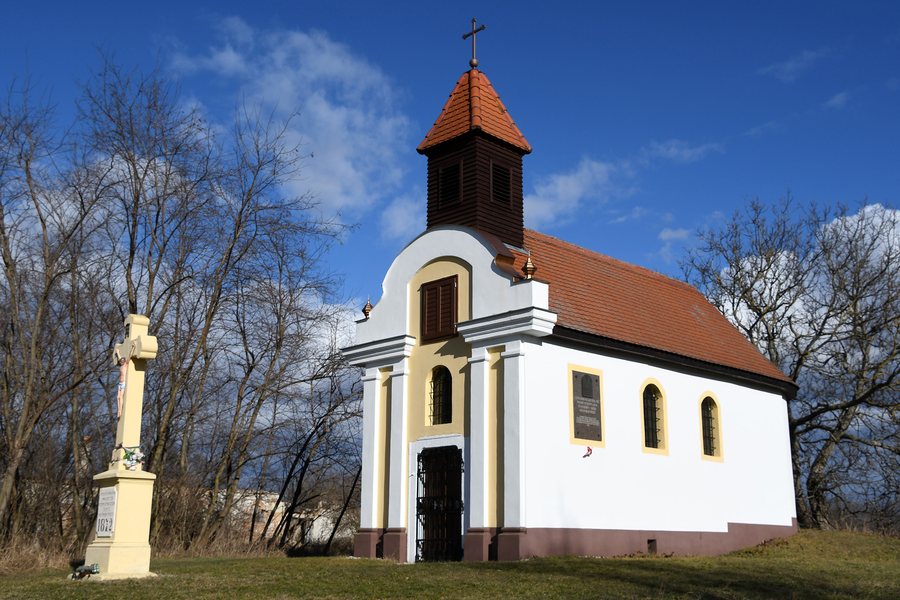 File:Bakonyság, csárdapusztai Kossuth-kápolna 2022 01.jpg
Photo: Pasztilla aka Attila Terbócs via Wikimedia Commons, CC BY-SA 4.0
File:Bakonyság, csárdapusztai Kossuth-kápolna 2022 01.jpg
Photo: Pasztilla aka Attila Terbócs via Wikimedia Commons, CC BY-SA 4.0
Bakonyság at a glance
- The Csárda-puszta Chapel is located in Bakonyság and was built in the 18th century.
- Its interior is in the Rococo style, with a framed altar in the sanctuary and wooden sculptures on the walls.
- Kossuth Lajos and Meszlényi Terézia were married there in a church ceremony. Their engagement at this location is part of local tradition.
What makes the Csárda-puszta Chapel noteworthy?
The chapel combines a clearly identified architectural style with specific elements of its interior. The framed altar is in the sanctuary, while the wooden sculptures on the walls form part of the Rococo interior. These concrete details help characterize the site, rather than considering it only as a historic building.
The traditional account also has two distinct strands: Kossuth Lajos and Meszlényi Terézia were married in the chapel in a church ceremony. The claim that their engagement also took place there, by contrast, is told as local tradition. Visitors interested in the site's history can keep this distinction in mind.
What nature experiences does the broader Balaton - North region offer?
In the broader Balaton - North region, the Tapolcai-tavasbarlang combines experiences with geology: boat trips are offered there, and there is also a guided exhibition, “Csodálatos karszt” (“Wonderful Karst”). The cave is part of an underground cave system beneath the town, which has been explored to a length of 14.6 kilometers. This figure describes the explored system, not a stated visitor route.
Hegyestű offers a different geological perspective. This 337-meter-high mountain lies between Zánka and Monoszló. Its inner face reveals the structure of a basalt volcano that was active about 8 million years ago. At the western edge of the quarry grounds, visitors can use a viewpoint and a panorama board to identify the surrounding hills. Hegyestű also has a rock garden featuring characteristic rock types of Transdanubia, the western half of Hungary. The cave world and the open views over the landscape thus offer different points of interest within the broader destination.
What cultural and craft experiences can you find in Balaton - North?
The cultural offerings in the broader Balaton - North region also vary by theme. In Bakonybél, the Pannon Csillagda has an interactive exhibition on space exploration and astronomy. At the Herend Porcelain Museum, a permanent exhibition and changing exhibitions on the history of the manufactory complement each other. The visitor center at the Herend Porcelain Manufactory also presents porcelain-making, its techniques, and the traditions of applied arts. In workshops, visitors can handle porcelain clay and a brush for painting.
In Tihany, Levendula Ház presents an interactive exhibition on the formation of the Tihany Peninsula and lavender cultivation. There is also a craft workshop and an activity garden. The broader Balaton - North region thus offers a range of ways to explore: exhibitions, insights into production and techniques, and hands-on activities.
Which experiences appeal to different interests?
The broader Balaton - North region also offers activities for exercise and spending time together. Ámos-hegyi Pihenőerdő covers 230 hectares and offers hikers a nature trail, an observation tower, a fitness trail, and forest playgrounds. Those more interested in winter sports will find 16 slopes at SkiArena Vibe Park in Eplény, with a total slope system measuring 7,984 meters; the Ámos-hegyi viewpoint there offers views of the High Bakony landscape.
At Veszprém Zoo, the Dinosaur Park features lifelike models of dinosaurs that lived millions of years ago. Children can also take part in a real archaeological excavation there. The African Savannah Playground has zip lines, climbing frames, bouncy castles, and a safari-striped airplane. The zoo describes experiences across six continents as available year-round and caters to visitors of all ages. This information can help you compare interests within the broader Balaton - North region without attributing these attractions to Bakonyság.
The landscape and regional produce are another focus: Badacsony is in Veszprém County on the northern shore of Lake Balaton, opposite the town of Fonyód. The volcanic mountain has hiking trails and panoramic views for hikers; its distinctive geological formations are called basalt organ pipes. Special grapes are grown on its slopes and used to make Badacsony wine. This adds a regional connection to wine to the nature experiences without promising a tasting or tour.
How can you plan your hotel search?
If you are looking for a hotel in Bakonyság, start with this specific place name and compare options based on your travel dates and personal requirements. The chapel gives the village a distinct cultural landmark. The nature, culture, and leisure experiences mentioned, on the other hand, are part of the broader Balaton - North region and may appeal to your other travel interests.
Explore more destinations: Pápakovácsi, Homokbödöge, Bakonyszücs, Nagytevel, Takácsi, Bakonykoppány, Döbrönte, Németbánya.
FAQ
When was the Csárda-puszta Chapel built?
The Csárda-puszta Chapel in Bakonyság was built in the 18th century.
What are the features of the chapel's interior?
It is in the Rococo style, with a framed altar in the sanctuary and wooden sculptures on the walls.
What is known about Kossuth Lajos and Meszlényi Terézia?
The two were married in the chapel in a church ceremony. The claim that their engagement also took place there is part of local tradition.
For the broader travel overview: Pápai.

