
Porva: Church History and Landscape
Accommodation in Porva
Porva combines a protected parish church with a Pauline history dating back to 1436 and the historic use of Pálos-tó for fish farming. From Kálvária Hill, you can look out over the town. These themes help you understand Porva as a destination for culture and landscape history.
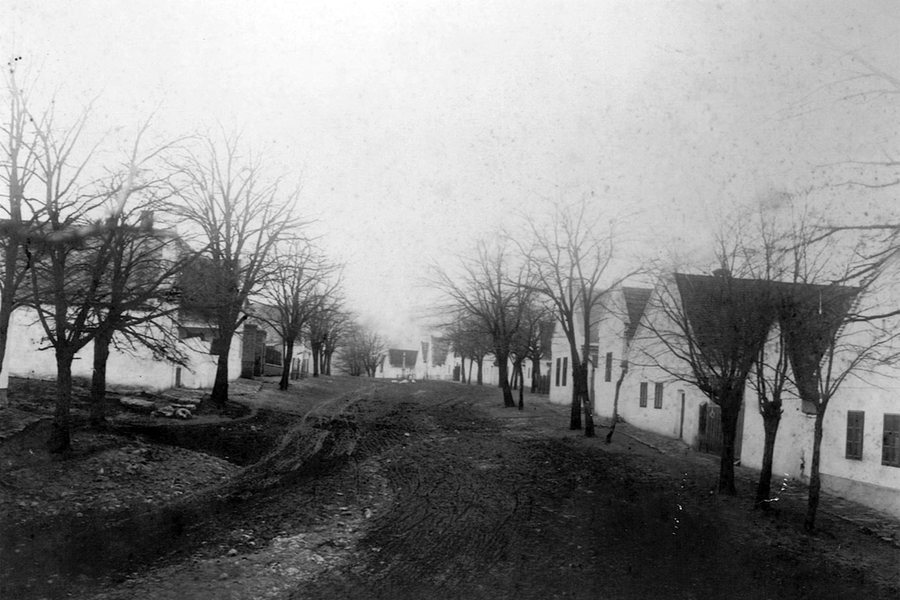
Porva at a glance
- The parish church is a protected monument with Gothic design; its sanctuary is Baroque.
- In 1436, Gara Miklós had the Paulines settle in Porva. His son László later completed the undertaking and dedicated the monastery to the Holy Spirit.
- In the 17th and 18th centuries, Pálos-tó belonged to the Pauline Order; its water surface covered nearly 40 hectares.
- Kálvária Hill offers a view of Porva and serves as a resting place for photographers and hikers.
- The statues of the Calvary group are now in the church garden.
What do the church and Pauline history tell us?
Two distinct design elements can be seen in the parish church: the protected building is Gothic, while the sanctuary is Baroque. Each style therefore belongs to a specific part of the church. This distinction is more helpful for understanding the building than describing the church as simply Gothic or Baroque.
A clearly dated chapter in the town’s history begins in 1436, when Gara Miklós had the Paulines settle in Porva. After his death, his second-born son László completed the undertaking and dedicated the monastery to the Holy Spirit. The recorded sequence thus brings together the settlement under the father and the later completion and dedication by the son. The history can therefore be understood through specific people and events.
How do landscape and history come together in Porva?
Pálos-tó represents an earlier economic use of the landscape. In the 17th and 18th centuries, it belonged to the Pauline Order and was used for fish farming. Its water surface covered nearly 40 hectares. The local government restored a small part of this historical heritage through landscape reconstruction.
Kálvária Hill also brings together views of the town and time outdoors. It offers a view of Porva and serves as a resting place for photographers and hikers. The flag bearing Porva’s coat of arms, the flag of the Republic of Hungary and the flag of the European Union fly there.
The Calvary group has its own local history: In the first half of the 20th century, its three statues stood on the hill at Porva’s entrance on the side facing Borzavár. Today, the statues are in the church garden. Those interested in this detail can distinguish the former location from the current display.
What else does the broader Lake Balaton - North destination offer?
The broader Lake Balaton - North destination also offers its own cultural and landscape themes. Boat trips are available in the Tapolcai-tavasbarlang, which also features the guided exhibition “Csodálatos karszt” (“Wonderful Karst”). The cave is part of a cave system beneath the town, of which 14.6 kilometres have been explored. Here, the focus is both on the visitor experience and on understanding a karst landscape.
At Hegyestű, geology is the focus. The 337-metre-high mountain lies between Zánka and Monoszló; it exposes the interior of a basalt volcano that was active around eight million years ago. On the western edge of the quarry grounds, visitors can identify the surrounding hills with the help of a panorama board. Hegyestű also has a rock garden featuring characteristic rock types of Transdanubia, the western half of Hungary. In Bakonybél, the Pannon Csillagda complements these themes with an interactive exhibition on space exploration and astronomy.
Discover more destinations: Bakonynána, Lókút, Bakonybél, Dudar, Borzavár, Csesznek, Eplény, Pénzesgyőr.
FAQ
Which architectural styles shape Porva’s parish church?
The protected building is designed in the Gothic style. The sanctuary is Baroque.
What happened in Porva in 1436?
Gara Miklós had the Paulines settle in Porva. After his death, his second-born son László completed the undertaking and dedicated the monastery to the Holy Spirit.
Where are the statues of the Calvary group today?
The three statues are now in the church garden. In the first half of the 20th century, they stood on the hill at Porva’s entrance on the side facing Borzavár.
To the broader travel overview: Zirci.

