
Pénzesgyőr: Geology, Gardens and Regional Discoveries
Accommodation in Pénzesgyőr
Pénzesgyőr combines geological discoveries with an educational center and gardens. When planning your trip, it is worth distinguishing the attractions in the town from other destinations in the wider Lake Balaton - North destination.
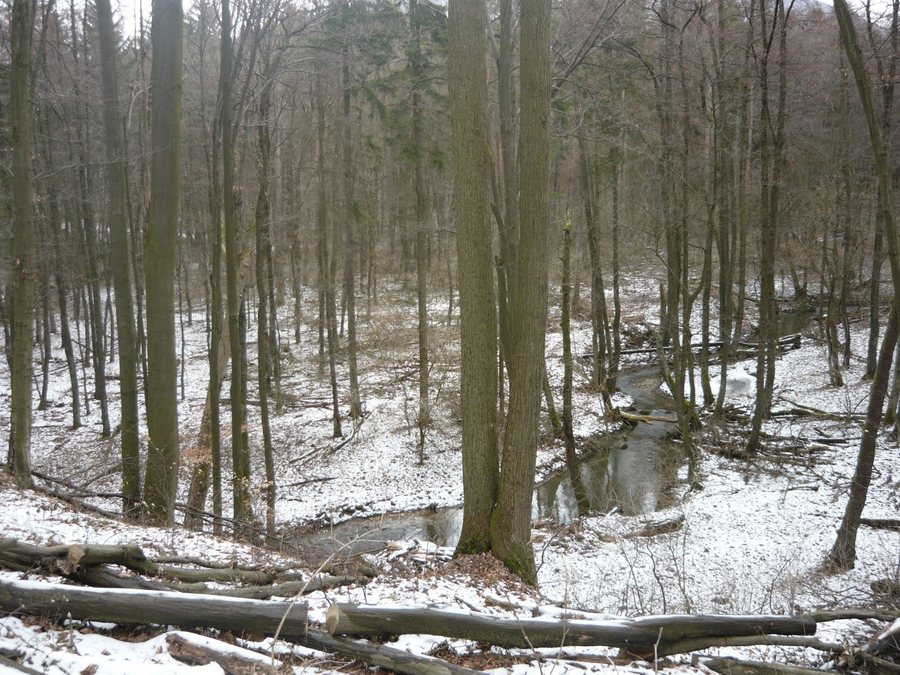 File:Pénzesgyőr, Hungary - panoramio - Rudi Szabó.jpg
Photo: Rudi Szabó via Wikimedia Commons, CC BY-SA 3.0
File:Pénzesgyőr, Hungary - panoramio - Rudi Szabó.jpg
Photo: Rudi Szabó via Wikimedia Commons, CC BY-SA 3.0
Pénzesgyőr at a glance
- The Geological Educational Trail is 12 kilometers long and connects Pénzesgyőr with Hárskút.
- It can be explored on foot or by bicycle and passes geological features of the northern Bakony.
- The educational center in Pénzesgyőr includes a 7-hectare farm with a medicinal and herb garden, as well as a vegetable garden demonstrating companion planting.
- Judit Spring rises between Bakonybél and Pénzesgyőr, not far from the Szömörke Valley.
What does the Geological Educational Trail offer?
The 12-kilometer trail connects the two towns of Pénzesgyőr and Hárskút. You can explore it on foot or by bicycle; the route passes geological features of the northern Bakony. It offers a practical way to bring landscape and geology together on a trip. The route was created and is maintained by the PANGEA Cultural and Environmental Association. Check the trail’s current condition before setting out.
The length is a useful starting point for planning: the educational trail takes up a dedicated part of your trip rather than being just a short detour. Whether you explore it on foot or by bicycle depends on your plans; both options are available.
What can you discover at the educational center?
The educational center in Pénzesgyőr includes a 7-hectare farm that showcases the principles of farming without chemicals. The grounds include a medicinal and herb garden. There is also a vegetable garden that takes companion planting into account and demonstrates this principle. Together, the two gardens give your visit a focus on plants and cultivation methods.
If you would like to visit the farm, arrange access with the association. This lets you plan your visit around the specific opportunity offered by the educational center rather than assuming you can enter without an appointment.
Where is Judit Spring?
Judit Spring is in the vicinity of the destination: it rises between Bakonybél and Pénzesgyőr, not far from the Szömörke Valley.
What geological attractions does the wider Lake Balaton - North destination offer?
In the wider Lake Balaton - North destination, Tapolca Lake Cave combines a cave experience with visitor activities: boat rides are offered, and there is also a guided exhibition called “Csodálatos karszt” (“Wonderful Karst”). The cave is part of a cave system beneath the town that has so far been explored over a length of 14.6 kilometers.
Another geological highlight is Hegyestű, a 337-meter-high mountain between Zánka and Monoszló. There, a quarry exposes the interior of a basalt volcano that was active about 8 million years ago. At a viewpoint on the western edge of the site, visitors can identify the surrounding hills with the help of a panoramic information board. A rock garden features characteristic rock types from Transdanubia, the western half of Hungary.
What cultural and nature experiences are there in the region?
In Bakonybél, the Pannon Csillagda has an interactive exhibition on space exploration and astronomy. Also associated with Bakonybél is the Szent Mauríciusz Monastery, which originated as a monastery founded by King Stephen I in 1018, at the suggestion of the monk Günther, in the area of today’s town. In Herend, a permanent exhibition and changing exhibitions focus on the history of the porcelain manufactory. The visitor center also presents porcelain-making techniques and traditions of applied art; in workshops, visitors can handle porcelain clay and a brush for painting.
The wider Lake Balaton - North destination offers a range of other attractions for nature lovers and families. The 230-hectare Ámos-hegyi Recreation Forest offers hikers an educational trail, a lookout tower, a fitness trail and forest playgrounds. Veszprém Zoo offers year-round experiences across six continents and welcomes visitors of all ages. The zoo’s Dinosaur Park features lifelike dinosaur models; children can also take part in an archaeological excavation there.
History and landscape can also be interests in their own right: Sümeg Castle is a relatively well-preserved medieval fortress on a bare hill that rises above its surroundings. Badacsony offers hiking trails and panoramic views for hikers; its distinctive geological formations are known as basalt organ pipes. Grapes also grow on the slopes and are used to make Badacsony wine.
How do you choose a hotel for your trip?
FAQ
How long is the Geological Educational Trail?
The trail is 12 kilometers long, connects Pénzesgyőr and Hárskút, and can be explored on foot or by bicycle. Check its current condition before setting out.
Do I need to arrange a visit to the farm at the educational center?
Yes. You should coordinate access to the farm with the association.
Is Judit Spring in Pénzesgyőr?
The spring rises between Bakonybél and Pénzesgyőr, not far from the Szömörke Valley.
What geological attractions are there in the wider Lake Balaton - North destination?
Boat rides are offered at Tapolca Lake Cave, which also has a guided exhibition. Hegyestű combines distinctive basalt geology with a viewpoint and a rock garden.
For the wider travel overview: Zirc.

