
Alūksnes Novads: Lake, Nature and Railway History
Accommodation in Alūksnes Novads
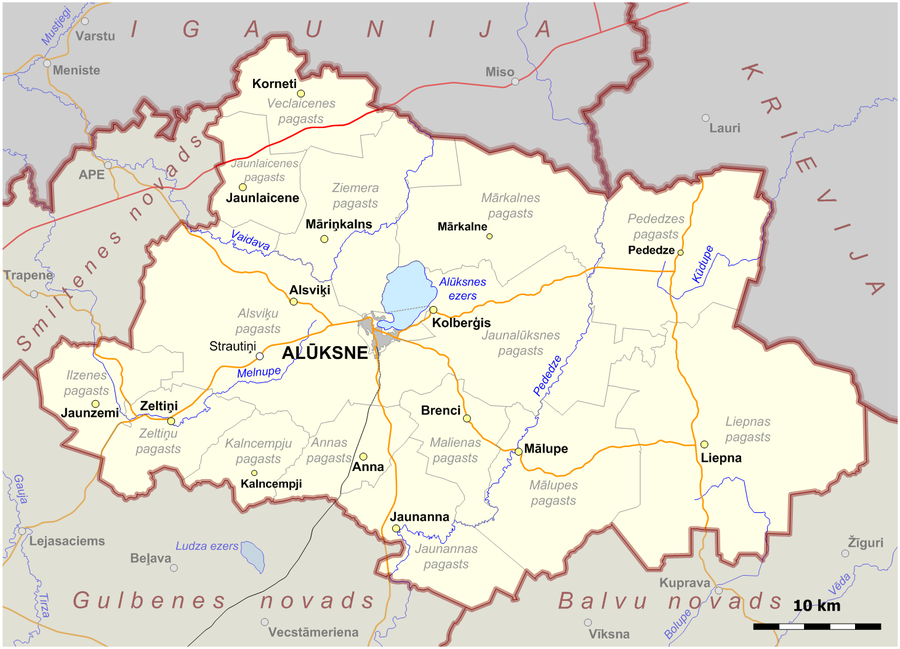
Alūksnes Novads combines the historic Gulbene–Alūksne narrow-gauge railway with protected landscapes, Lake Alūksne and a diverse museum and manor heritage. Between observation towers, nature trails and cultural collections are numerous specific points of interest that showcase the character of the region from different perspectives.
Culture and History
The Gulbene–Alūksne narrow-gauge railway has been a state-protected historical monument since 1998. Bānītis operates on a 33-kilometre section of this railway and continues to carry passengers daily. The operators regularly organise various events, including the annual Bānītis Festival. The multimedia exhibition “Alūksnes Bānīša stacija” is housed in a historic luggage shed at the station in Alūksne. It presents ten individual stories about railway stations.
Alūksne New Castle is a castle of the Fītinghof family, built in the second half of the 19th century in the Tudor Gothic style. Through its exhibitions, the Alūksne Museum presents the history, art and cultural heritage of the town and region. The museum regularly hosts themed cultural events and educational activities for families and groups of schoolchildren. The Ernst Glück Bible Museum provides a special linguistic and historical focus with Bibles in 40 languages of the world.
The Viktors-Ķirps-Ate Museum displays more than 6,500 objects in 13 buildings, 12 of which are open to visitors. The collections include old working tools used by ancestors. Visitors can not only view them but also try using them themselves. In the manor park of Jaunlaicene, 9 hectares are associated with the 170-year history of the von Wolff family's ownership. The park has developed walking paths. In addition, 16 manor buildings from the 18th and 19th centuries have been preserved.
Nature and Trails
The Veclaicene protected landscape area covers 20,846 hectares. It was established to preserve the cultural landscape and natural values of North Vidzeme, protect specially protected Latvian and European habitats and species, and promote their natural development in balance with recreation and tourism infrastructure. Another natural attraction is the “Bebru valstība” nature trail. It is 1 kilometre long and includes part of the Jaunanna nature reserve. Visible traces of beavers’ work and various forest artworks can be seen along the trail.
The “Ezertaka” is a hiking trail of around 2.8 kilometres around the peninsula of Lake Alūksne. As a circular route, it can be walked in either direction. Two possible starting points are the car park by the footbridge on Tempļakalna Street and the car park at the “Melnums” bathing area.
Lake and Views
Tempļakalns Park encompasses the highest point in Alūksne. The Alūksne observation tower has 153 steps, while the “ZZZIPPP” zip line crosses Lake Alūksne. The lake has four named islands: Cepurīte, Garo sala, Tīklu sala and Pilssala. Swimming and excursions by boat, catamaran and speedboat are possible on Lake Alūksne.
The observation tower in Korneti is 27 metres high. From there, there are views of the Alūksne and Haanja uplands in Estonia; in good visibility, Suur Munamägi can also be seen. A panoramic information board on Drusku Hill helps visitors identify the highest peaks on the Latvian and Estonian sides. Drusku pilskalns hillfort is considered one of the steepest hillforts in Latvia.
Region
For further regional orientation, the direct subareas lead to Visikums and Kolberģis. Other destinations in the same higher-level area are Krimuldas Novads and Dobeles Novads.
For the higher-level travel overview: Latvia.

