
Discover Rumšiškės
Accommodation in Rumšiškės
Rumšiškės offers several specific starting points for a cultural trip or a festival visit: Trakinės features sports competitions and activities for families, alongside a large open-air ethnographic museum, a poet’s exhibition and a wooden bell tower. Choose the focus of your trip according to your interests, then look for a hotel in Rumšiškės.
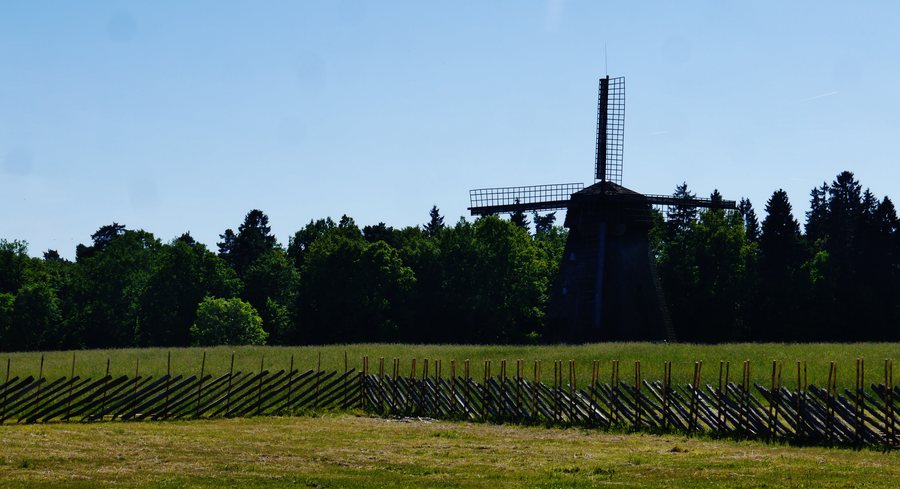 File:Rumšiškes Lietuvos Liaudies Buities Muziejus Žemaitija Mühle 3.jpg
Photo: Zairon via Wikimedia Commons, CC BY-SA 4.0
Rumšiškės at a glance
- Trakinės is Rumšiškės’s annual town festival.
- Children and adults take part in the basketball and volleyball competitions.
- The Trakinės programme includes concerts, performances by local artists, creative workshops and games for families.
- The wooden bell tower stands beside the Church of St. Michael the Archangel; its walls are made of hewn logs, mostly cedar.
- The Jono Aisčio exhibition presents the life and work of the poet Jonas Aistis-Aleksandravičius.
- The Lithuanian Ethnographic Museum covers 195 hectares and is one of the largest open-air ethnographic museums in Europe.
What activities does the annual Trakinės festival offer?
Trakinės is an annual town festival. The basketball and volleyball competitions are the sporting part of the festival, with children and adults taking part. The programme also includes concerts and performances by local artists. Creative workshops and games for families offer a different focus from the competitions, providing activities aimed at families. Together, these make for a festival combining participation in sports, music, performances by local artists and playful activities. If you choose Trakinės as the reason for your trip, check the dates of that year’s festival before setting your travel dates.
What cultural subjects can you explore in Rumšiškės?
The cultural attractions offer a range of different focuses. Beside the Church of St. Michael the Archangel stands a wooden bell tower. Its walls are made of hewn logs, most of them cedar. You can therefore consider the tower not only as a bell tower, but also in terms of its materials and construction: the worked logs are a distinctive architectural feature. The Jono Aisčio exhibition, by contrast, focuses on literature and presents the life and work of the poet Jonas Aistis-Aleksandravičius. If you plan to visit the exhibition, confirm visiting arrangements with the museum. Architecture and literature thus offer different subjects to choose from according to your interests.
How can the Lithuanian Ethnographic Museum be understood in context?
The Lithuanian Ethnographic Museum covers 195 hectares and is one of the largest open-air ethnographic museums in Europe. Its area gives an idea of the museum’s scale, while its name indicates its ethnographic focus and open-air setting. It therefore offers an extensive ethnographic experience, while the Jono Aisčio exhibition focuses on the life and work of a single poet. When comparing the cultural attractions of Rumšiškės, you can distinguish between a large ethnographic museum, a literary exhibition and the specific architectural detail of the bell tower. The museum’s size, the literary subject and the construction style offer different points of reference for making your choice.
Discover more destinations: Jonava, Ramučiai, Prienai, Karmėlava, Altoniškiai, Čekiškė, Kaišiadorys, Šiluva.
FAQ
How large is the Lithuanian Ethnographic Museum?
It covers 195 hectares and is one of the largest open-air ethnographic museums in Europe.
Who can take part in the Trakinės sports competitions?
Children and adults take part in the basketball and volleyball competitions.
What is the Jono Aisčio exhibition about?
It presents the life and work of the poet Jonas Aistis-Aleksandravičius. Confirm visiting arrangements with the museum.
Back to the main travel overview: Kaunas District.

