
Dubasari between Dniester Nature and Moldovan Culture
Accommodation in Dubasari
Dubasari appeals to travelers who want to combine nature observation, village culture and historical sites. Churches, museums, traditional festivals, distinctive landscapes and a signposted ecotourism trail create a multifaceted picture of the region. For your planning, it is worth considering not just one individual place but also the different themes throughout Dubăsari District.
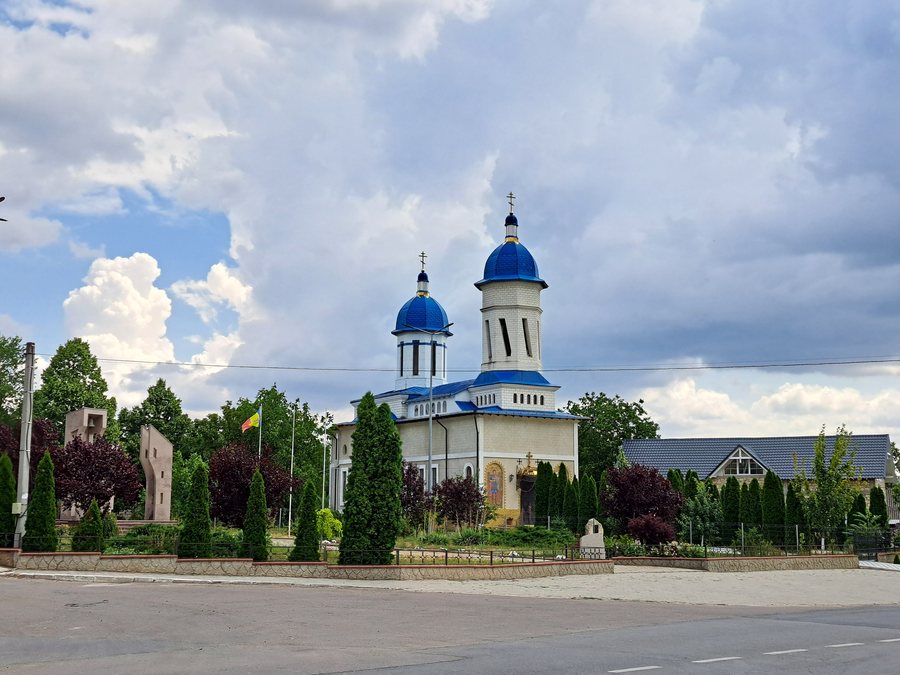
Cultural highlights include churches from the 19th century and from 1816, a monastery carved into the rock, a tree several centuries old and a historic cemetery. Twelve folk artisans are active in Dubăsari District. They work in pottery, artistic woodworking, embroidery, artistic weaving and basketry made from plant fibers. In addition, 51 cultural heritage sites in the district have been included in the state register of monuments of the Republic of Moldova.
For nature and hiking interests, the canyon in Oxentea, the Green Waterfall in Molovata and the “Farmecul Nistrului” ecotourism trail are the main attractions. The trail is approximately 4 kilometers long and runs between Mărcăuți, Molovata and Molovata Nouă. Trail markers, information boards and rest areas are part of its facilities. The trail has been digitized in the Eco App Moldova; the app offers maps, biodiversity information and local stories.
Which cultural sites characterize the region?
A monastery carved into the rock is located in Pohrebea. The Church of Saint Alexei, a 19th-century architectural monument, also stands in Pohrebea. Both sites show different forms of religious and architectural history: here, the rock-carved complex stands alongside a 19th-century church building. The specific dates help place the region’s historical themes in chronological context without reducing the sites to a single era.
The Suvorov Oak grows in Pîrîta and is more than 400 years old. Molovata has an old cemetery with gravestones from the 18th and 19th centuries. In Marcăuţi stands the “Acoperămîntul Maicii Domnului” Church, which dates from 1816. For those interested in culture, sacred buildings, a natural monument with a long history and an historic cemetery thus provide different reasons to visit side by side.
Cocieri is home to a house museum dedicated to filmmaker Vlad Ioviță. The region’s craft tradition is complemented by the 12 folk artisans in Dubăsari District. Their fields of work range from pottery and woodworking to embroidery, weaving and basketry made from plant fibers. Travelers who value local traditions in their planning will find several specific themes here: architecture, memorial sites, film history and traditional handicrafts.
Which festivals and traditions can you include in your plans?
IA MANIA takes place annually in Holercani, a festival of folk traditions featuring live music, traditional cuisine, handicrafts, workshops and exhibitions. The festival combines musical, culinary and craft elements. It is therefore a special point of reference for travelers who want to experience culture not only through buildings and museums but also through events and practical insights into traditional activities.
The district’s cultural heritage sites also give travel planning a clear direction. The number of 51 sites included in the state register of monuments of the Republic of Moldova points to a broad historical dimension. Together with the individual churches, monastery, cemetery and house museum, they create a cultural profile made up of several smaller places rather than just one central excursion destination.
What can you expect from the landscape and nature?
Oxentea is home to a canyon with distinctive flora. In Molovata, the Green Waterfall forms a wall of water approximately 25 meters wide and 8 meters high. Both natural destinations offer different experiences: the canyon represents a distinctive plant world, while the waterfall stands out through its clearly described shape and size. When making your choice, you can therefore distinguish between observing the landscape and experiencing a striking water feature.
The “Farmecul Nistrului” ecotourism trail offers an additional way to explore the region across several locations. Its length of approximately 4 kilometers provides a concrete scale for planning. Connecting Mărcăuți, Molovata and Molovata Nouă makes the trail a regional attraction, while trail markers, information boards and rest areas support orientation along the route. The Eco App Moldova complements these facilities with maps, biodiversity information and local stories.
How can accommodation planning be tailored to your interests?
When choosing a hotel in Dubasari, you can first decide which focus should define your trip. Those interested in culture can prioritize places with churches, a monastery, cemetery, house museum and handicrafts. Those who prefer nature can focus their plans on the canyon in Oxentea, the Green Waterfall in Molovata or the “Farmecul Nistrului” ecotourism trail. For families and couples, it may be useful to assess separately the number of individual stops, the desired mix of indoor and outdoor experiences, and the importance of orientation aids.
Events can also influence your choice. IA MANIA takes place annually in Holercani and combines live music, traditional cuisine, handicrafts, workshops and exhibitions. If a festival or cultural theme is the main focus, this event should determine the timing and regional planning. If, on the other hand, you are looking for a peaceful combination of landscape and history, the natural destinations and historical sites offer different points of reference for your decision.
For regional orientation, you can consider Dubasari together with Causeni and Chisinau. Other destinations for your travel planning include Călărași District, Edineț District, Balti, Cahul District and Transnistria. This places the region within your broader travel plans.
FAQ
Where is the History and Ethnography Museum of Doroțcaia located?
The History and Ethnography Museum of Doroțcaia is located in the village center.
What happened to the museum in Molovata Nouă at the beginning of 2012?
The local History and Ethnography Museum in Molovata Nouă reopened at the beginning of 2012 after extensive renovation.
What connection is there between Molovata and Molovata Nouă?
The ferry from Molovata connects Molovata and Molovata Nouă across the Dniester.
When is Molovata Nouă Village Day celebrated?
Molovata Nouă Village Day is celebrated annually on August 28.
What event took place in Molovata Nouă on October 23?
The third edition of the folk artisans’ festival “Din zestrea neamului-tradiții noi și vechi de la Nistru” took place in Molovata Nouă on October 23.
What is the “Grigoriopol transmitter, former site of 350 metres mast” ruin?
The “Grigoriopol transmitter, former site of 350 metres mast” ruin is located in the wider regional area of Dubăsari District.
For the broader travel overview: Moldova.

