
Balti Between Cultural History, Art and River Landscapes
Accommodation in Balti
Cultural sites in Bălți include the Cathedral of the “Holy Emperors Constantine and Helena,” the courtyard of the “Alecu Russo” State University, the “Antioh Cantemir” Art Gallery, the “Vasile Alecsandri” Music and Drama Theater, and the Museum of History and Ethnography.
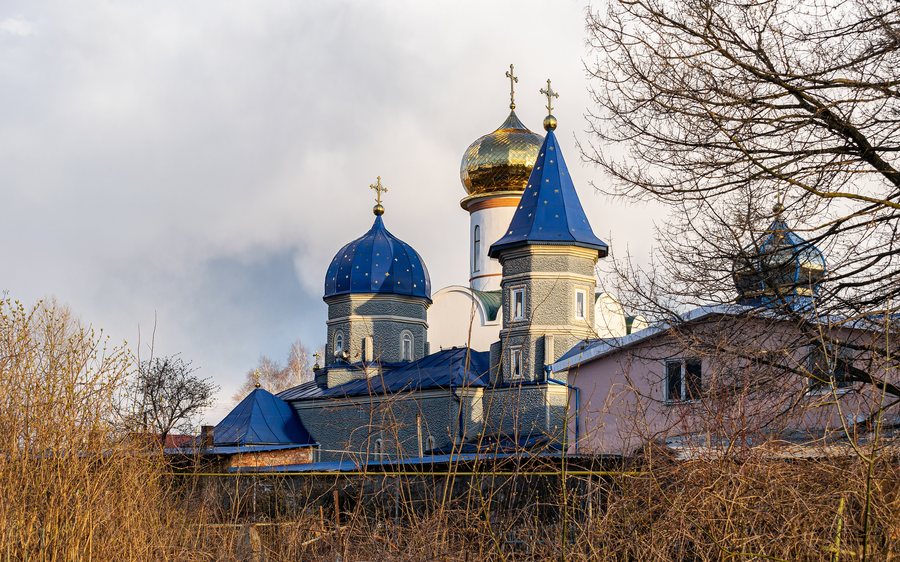 File:Biserica Sf. Arhanghel Mihail, Balti, Republica Moldova Church of Archangel Michael, Balti, Republic of Moldova (51119825668).jpg
Photo: Photobank MD from Chisinau, Moldova via Source, CC0
File:Biserica Sf. Arhanghel Mihail, Balti, Republica Moldova Church of Archangel Michael, Balti, Republic of Moldova (51119825668).jpg
Photo: Photobank MD from Chisinau, Moldova via Source, CC0
Which bodies of water and elevations are located around Bălți?
The Răut River crosses the city of Bălți from northeast to southwest. Artificial lakes have been created in Bălți. Dealul Fântâna lui Petru is a hill in the immediate vicinity of Municipiul Bălți. Gora Reduluy is a hill in the vicinity of Municipiul Bălți. Gora Kalamanalul and Dealul Moldovenilor are hills in the wider regional surroundings of Municipiul Bălți.
Which cultural sites are there in Bălți?
Its courtyard contains a bust of Metropolitan Visarion Puiu; at the same time, the Cathedral of the “Holy Emperors Constantine and Helena” is one of his foundations. The foundation stone of the cathedral was laid in September 1924.
A monument to King Ferdinand I stands in the courtyard of the “Alecu Russo” State University in Bălți. It is a symbol of the 100th anniversary of the Constitution of united Romania. The text of the proclamation of the Constitution, which King Ferdinand signed on March 28, 1923, is inscribed on the pedestal made of Cosăuți stone.
Art Gallery and Theater in Bălți
The “Antioh Cantemir” Art Gallery is an art gallery in the municipality of Bălți and houses a variety of artistic compositions. Each year, it organizes exhibitions featuring works by students from art schools in Bălți and northern Moldova, as well as by young visual artists.
The first building of the “Vasile Alecsandri” Music and Drama Theater in Bălți opened in 1934 as the “Scala” Theater and had 659 seats.
Bălți and the Railway in the 19th Century
By the end of the 19th century, railway lines connected Bălți with Ungheni and Chișinău, as well as with Rîbnița and Ocnița. Construction of the railway was completed in 1894.
More Travel Destinations in Moldova
Balti, Anenii Noi, Soldanesti, Transnistria, Glodeni District, Cahul District, Orhei District and Edineț District.
Questions about the Museum and Theater
What does the history hall of the Museum of History and Ethnography of Bălți display?
The history hall presents the history of Bălți through photographs and objects preserved by residents.
What themes are covered in the museum’s ethnographic halls?
The Museum of History and Ethnography has two ethnographic halls. They are dedicated to the themes “Gospodăria țărănească” and “Casa Mare” and present traditional Moldovan domestic life, activities, tools and room furnishings.
What status did the “Vasile Alecsandri” Theater receive?
The “Vasile Alecsandri” Theater received national theater status in 1990. It was the Republic’s first national drama theater.
To the higher-level travel overview: Moldova.

.jpg)