
Ștefan Vodă District: Wine, Nature and Trails along the Lower Dniester
Accommodation in Ștefan Vodă District
Ștefan Vodă District combines a traditional wine landscape with wetlands, natural monuments and cultural sites. This creates a region where, when planning your trip, you can combine wine tastings, nature observation, cycling routes and local history according to your own interests.
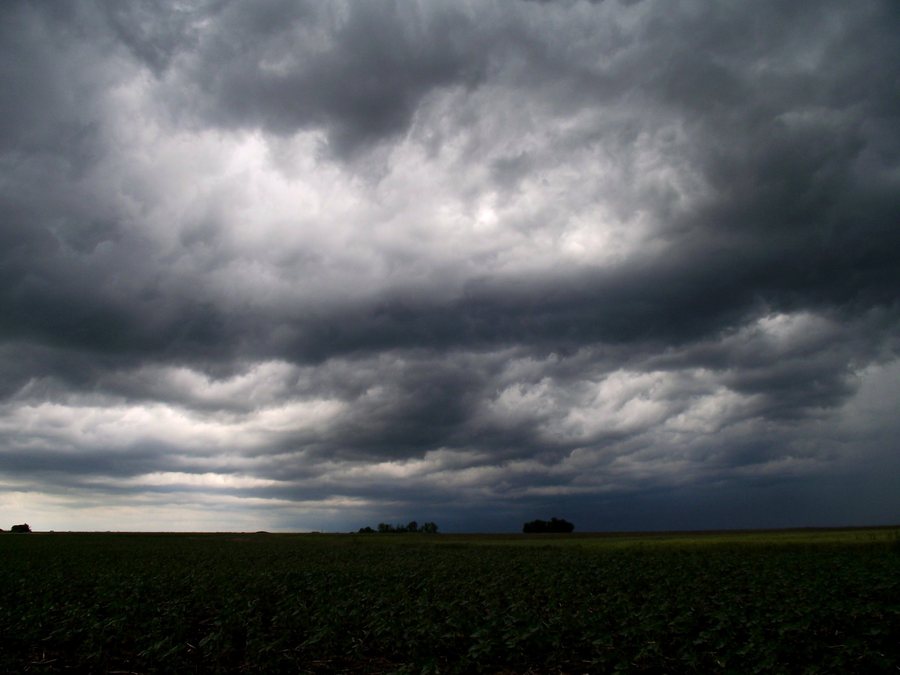 File:Ștefan Vodă District, Moldova - panoramio.jpg
Photo: Анатолий Зубанюк via Wikimedia Commons, CC BY 3.0
File:Ștefan Vodă District, Moldova - panoramio.jpg
Photo: Анатолий Зубанюк via Wikimedia Commons, CC BY 3.0
The Ștefan Vodă wine region covers approximately 10,000 hectares. The wines produced there have been known outside Moldova since the 19th century. Viticulture therefore represents not only individual wineries, but also a broader regional focus that can be experienced in connection with the landscape and culture.
The “Lower Dniester” National Park also offers various thematic opportunities: The region provides the conditions for ecotourism, agrotourism, wine routes and sports tourism. Depending on your travel group, you can therefore place different emphasis on nature, regional products or activity, without reducing the region to just one type of holiday.
What characterizes the Ștefan Vodă wine region?
The wine region’s distinctive microclimate favors red grape varieties such as the local Rara Neagră, Saperavi, Cabernet Sauvignon and Merlot. Those interested in Moldovan wine will therefore find specific regional connections here rather than merely a general wine landscape.
Château Purcari offers tours of its historic wine cellar and tastings of outstanding Moldovan wines such as Negru de Purcari and Alb de Purcari. The history of this winery began in 1827, when it was founded by imperial decree as the first specialized winery in Bessarabia. The historical connection and the tastings thus provide two different ways to explore the site: You can learn about both the development of the winery and the wines themselves.
At Etcetera, Plăcinta Miresei and dishes made with produce from the winery’s garden are offered. These include rabbit with potatoes, rabbit liver pâté and various vegetable dishes. In October, visitors may possibly be able to pick grapes themselves and stomp them with their feet as part of the traditional Harvest. This possibility is expressly potential and should therefore not be planned as a guaranteed offering for every stay.
Which natural areas are worthwhile for observation and scenery?
Lunca Talmaza is a wetland complex covering 1,886 hectares. It includes forests, meadows, a lake, loops of the old riverbed, canals, ponds and marshes. These varied landscape elements make the complex particularly interesting for travelers who want to experience changing wetland and floodplain forest habitats rather than just a single viewpoint.
In Lunca Talmaza, you can observe and photograph the landscape, typical floodplain forests, as well as rare plants, animals and birds. The focus is therefore on quiet nature observation and photography. Nature-loving adults can deliberately compare the different habitats.
Râpa de Piatră in Tudora is a two-hectare geo-paleontological natural monument. Mlaștina Togai, northeast of Crocmaz, is designated as a mixed nature reserve and covers 51.2 hectares. Together, these two sites show that the district’s natural features encompass both geological and wetland-related themes.
Which cultural sites complement the nature experiences?
Valul Zmeului is documented both in Talmaza and in Cioburciu. In Cioburciu, Râpa lui Albu is also located on the southern edge of the village; it is a geological and paleontological natural monument. These two connections make Cioburciu a place where regional tradition and the history of the Earth can be considered alongside one another when planning a trip.
The Ethnographic Museum of Crocmaz was founded in 1986. It serves to preserve and promote local history, traditions and inherited customs. A visit focuses on the area’s local everyday and cultural heritage, offering a different way to experience the region than a landscape route or wine tasting.
A new ecotourism trail was opened in the “Lower Dniester” National Park in the municipality of Purcari in Ștefan Vodă District. The ecotourism trail in Purcari includes birdwatching points, rest areas and information panels about the ecosystems typical of the region, as well as protected flora and fauna. For a nature-focused stay, this provides specific themes such as birdwatching, rest and accessible information about habitats.
How can you explore Ștefan Vodă District by bicycle?
The Ștefan Vodă wine region can be explored by bicycle via the Chișinău–Palanca cycling tourism route. The route uses country roads and paths away from the national highways. Bicycle symbols, arrows, posts and information panels marked C1 provide the signage.
Bicycles for the Chișinău–Palanca route can be rented for the entire distance, for individual sections or from participating guesthouses and wineries. This allows you to plan the cycling tour to different lengths. The main factor in your decision is whether you are considering the entire route or only individual sections combined with visits to the wine region.
The cycling route complements the other highlights but does not replace them: Natural monuments, wetlands, museums and wineries remain independent destinations, each with its own character.
For regional comparison, you can also find Purcari, Călărași District, Ialoveni District, Chisinau, Edineț District, Cahul District, Transnistria and Soldanesti.
FAQ
When was Château Purcari founded?
The history of Château Purcari begins in 1827. That year, the winery was founded by imperial decree as the first specialized winery in Bessarabia.
What does the Etcetera Express Tour include?
The Etcetera Express Tour is intended for groups of four or more people. It includes a guided tour, a tasting of three wines and a selection of pâtés.
What is the Nistrul Chior?
The Nistrul Chior, also known as Nistrul Orb, is an old riverbed approximately 42 kilometers long and the country’s largest natural body of water.
Is the Lower Dniester area accessible year-round?
The Lower Dniester area is easily accessible year-round. The natural complexes are free to access.
For the higher-level travel overview: Moldova.

