
Discover Soldanesti: Culture, Nature, and Trip Planning
Accommodation in Soldanesti
Șoldănești District is rich in natural and cultural attractions. These include the Șoldănești Canyon, the rock complex in the village of Socola, and the Climăuții de Jos Landscape Reserve. The natural destinations are located in different landscape areas, while the cultural sites are spread across several villages.
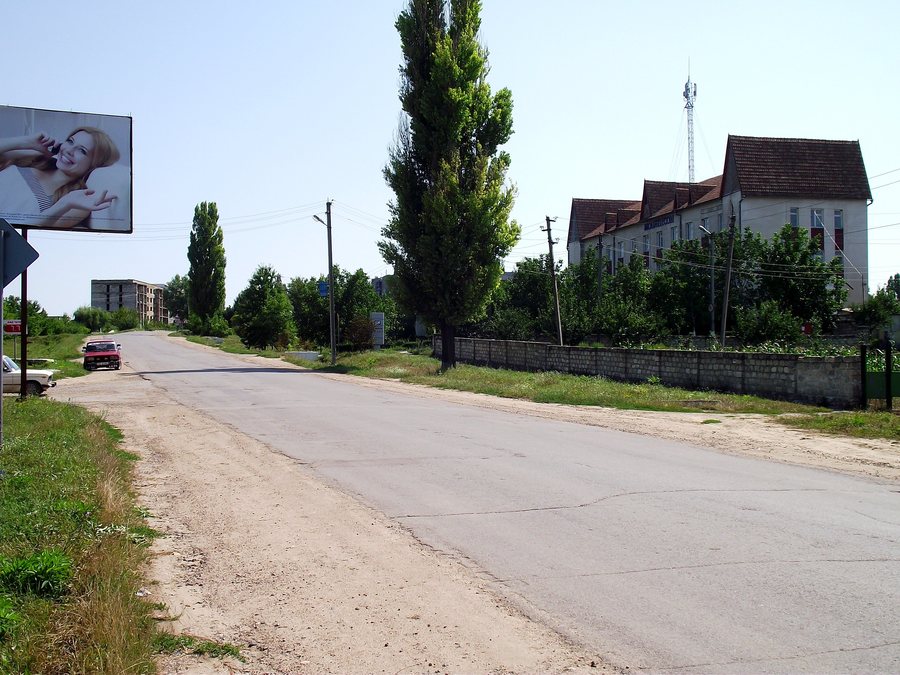 File:Soldanesti, Moldova - panoramio (1).jpg
Photo: Анатолий Зубанюк via Wikimedia Commons, CC BY 3.0
File:Soldanesti, Moldova - panoramio (1).jpg
Photo: Анатолий Зубанюк via Wikimedia Commons, CC BY 3.0
The Climăuții de Jos Landscape Reserve covers 668 hectares. It lies south of the village of Climăuții de Jos and stretches along the lower course of the Cușmirca stream. Southwest of Socola is also the Socola Geological Profile, a geological and paleontological natural monument. The state-protected area covers 10 hectares.
Which natural destinations characterize Șoldănești District?
The lower gorge of the Cușmirca stream contains waterfalls and pools, including Groapa Lidiei, which is more than four meters deep. The Socola rock complex extends across four levels along more than seven kilometers of riverbank. The more than seven kilometers of riverbank form a long landscape section, while Groapa Lidiei is a single deep spot within the gorge. For a nature-focused itinerary, this difference in spatial extent can be taken into account when planning your time.
Which cultural sites can you discover in Soldanesti?
Vadul Rașcov is home to a bell tower and a Jewish cemetery. The bell tower was built in the 17th century by anonymous craftsmen in the style of medieval Moldavian architecture. The Jewish cemetery in Vadul-Rașcov is among the state-protected monuments of the Republic of Moldova.
The Casa Memorială Dumitru Matcovschi memorial museum is located in Vadul lui Rașcov. An excursion to Vadul-Rașcov included admission to the Dumitru Matcovschi house museum with a museum guide.
The oak near Cobâlea, known as Stejarul lui Ștefan cel Mare, is said by legend to be connected with Ștefan cel Mare. The stone church in Cobîlea was built between 1806 and 1812.
Cotiujenii Mari is known for local craftspeople and regional traditions. Olișcani is the location of an underground Soviet bunker. Cușelăuca and Dobrușa are sites of monasteries with particular spiritual significance.
The Rîșleacov manor house and its outbuildings have been preserved to this day. The Șoldănești History and Ethnography Museum is housed in the Rîșleacov manor house.
In the past, the railway station connected the Transnistrian region with northern Moldova.
Cuhureștii de Sus has an old church and significant cultural heritage values.
The cultural sites range from the bell tower and cemetery in Vadul Rașcov to museums, crafts, traditions, bunkers, and monasteries.
More destinations in Moldova: Chipeșca, Glodeni District, Hîncești District, Orhei District, Balti, Causeni, Ștefan Vodă District, and Anenii Noi.
FAQ
What happened in Vadul-Rașcov on November 16, 2025?
The Dumitru Matcovschi poetry and song festival took place on November 16, 2025, in Vadul-Rașcov in Șoldănești District. It is held annually in the poet’s home village.
What are the traditional homes in Rogojeni called?
Rogojeni is known for traditional underground homes called bordeie.
To the higher-level travel overview: Moldova.

.jpg)