
Rožaje
Accommodation in Rožaje
Rožaje offers specific cultural points of interest, including the Ganića Kula Local History Museum and the ancient fortification of Izlit. You can also enjoy excursions, hiking, cycling, and skiing in Rožaje. If you are looking for a hotel, first consider whether culture, activities, or a combination of both will shape your stay.
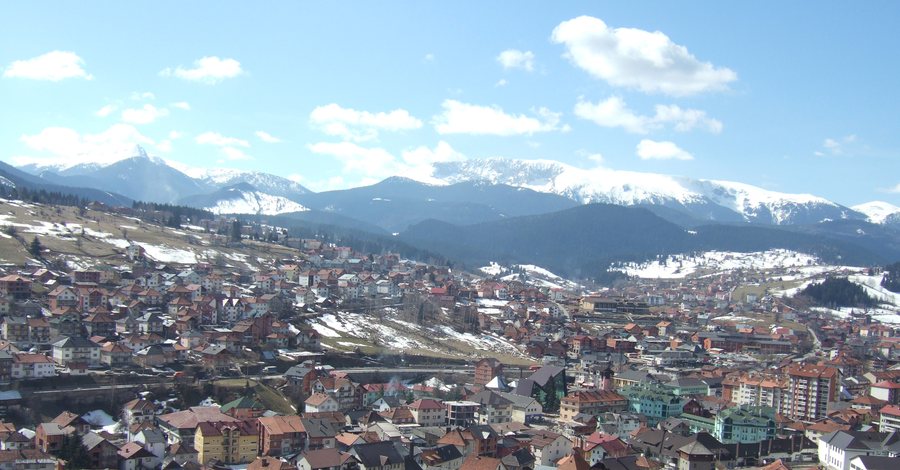
Rožaje at a glance
- The Ganića Kula Local History Museum has collections covering weapons, numismatics, ethnography, and writing and education.
- Excursions, hiking, cycling, and skiing are possible in Rožaje.
- Izlit is an ancient fortification on Ganića krš in Rožaje; it offers views of Rožaje and the surrounding mountains.
Which cultural sites define Rožaje?
The collections at the Ganića Kula Local History Museum cover a range of subjects: weapons and numismatics are featured alongside ethnography, writing, and education. This offers different ways to explore culture and history, rather than narrowing a museum visit to a single subject. Numismatics is the study of coins; writing and education form another thematic focus.
Izlit is another archaeological site: the ancient fortification is located on Ganića krš in Rožaje. The site is recommended for visits. From there, you can see Rožaje and the surrounding mountains. Izlit thus combines its historical significance as a fortification with views of the town and the mountain landscape around it.
What activities are possible in Rožaje?
The options mentioned range from excursions to hiking, cycling, and skiing. When planning, you can group these activities by the kind of stay you have in mind: hiking and cycling offer different experiences from excursions, while skiing adds another option. This selection lets you tailor your trip to your own interests without treating any one activity as the standard for all visitors.
Those mainly interested in culture can consider including the museum and the fortification in their plans; those who prefer activities can weigh the options mentioned. This way, your choice starts with the kind of travel experience you want, rather than a blanket ranking of what is on offer.
What else does Montenegro have to offer?
Beyond Rožaje’s local attractions, Montenegro offers a range of natural and cultural landscapes. Durmitor is a limestone massif in northern Montenegro. About fifty peaks in the national park rise above 2,000 metres; the glacial lakes are known locally as the “Eyes of the Mountains.” There are opportunities for hiking in the park. The Tara Canyon is the deepest canyon in Europe. These examples show the variety of nature-related attractions in Montenegro, with peaks, glacial lakes, and a canyon taking centre stage.
Another regional highlight is the natural and cultural landscape of the Kotor region in the Bay of Kotor on Montenegro’s Adriatic coast. It includes fortified and open towns, settlements, palaces, and monastic ensembles set in a cultivated terraced landscape, and bears witness to the spread of Mediterranean cultures in the Balkans. The mausoleum of the Montenegrin ruler and poet Petar II Petrović Njegoš is located on Jezerski vrh in Lovćen. The Lovćen switchbacks are part of the old caravan route from Kotor to Njeguši. These cultural and landscape attractions offer a distinct perspective on Montenegro as a broader travel destination.
Also include Ibarac in your search. Discover more destinations: Žabljak, Podgorica, Ulcinj, Plužine, Nikšić, Plav, and Tivat.
FAQ
What activities are possible in Rožaje?
Excursions, hiking, cycling, and skiing are possible in Rožaje.
What does the Ganića Kula Local History Museum collection include?
It includes weapons, numismatics, ethnography, and writing and education.
What is Izlit?
Izlit is an ancient fortification on Ganića krš in Rožaje. The site offers views of Rožaje and the surrounding mountains.
For the broader travel overview: Montenegro.

