
Nojewo
Accommodation in Nojewo
Nojewo combines railway history with a waymarked hiking route: the station building houses a railway museum, and the yellow Ostroróg–Bydgoszcz hiking trail passes through the village.
Key facts about Nojewo
- The railway museum is located in the station building and contains historic railway uniforms, cardboard tickets, information boards, and maps.
- Nojewo station was built in 1907.
- The village has five railway bridge and viaduct structures: three three-arched bridges, a viaduct over a road, and a viaduct over the tracks.
- The yellow Ostroróg–Bydgoszcz hiking trail passes through Zajączkowo and Nojewo, then continues in the direction of Sieraków, Trzcianka, and Bydgoszcz.
- At Stacja Nojewo, you can ride a handcar on a section of track that has been opened for use.
What does the railway museum tell us?
The collection in the station building includes various items from everyday railway life: historic uniforms, cardboard tickets, information boards, and maps.
The station building itself is also part of the village’s history: it was built in 1907. If you would like to focus your visit mainly on culture, you can include the museum and the history of the station in your exploration of Nojewo.
What railway structures are there in Nojewo?
Nojewo has a total of five railway bridge and viaduct structures. These include three three-arched bridges and two viaducts: one passes over a road, while the other crosses over the tracks. This breakdown helps distinguish the structures from one another, rather than viewing them simply as a group of railway overpasses. In particular, the number of arches and what each structure crosses give them their distinctive forms.
A handcar ride offers a different way to experience the railway theme than the museum collection. It is available at Stacja Nojewo on a section of track that has been opened for use, where you can take in the landscape. If you prefer looking at objects and information, the museum exhibits are the main attraction. If you are more interested in an activity on the track, the handcar is a fitting addition to this cultural perspective.
How does the hiking trail fit in?
The yellow Ostroróg–Bydgoszcz hiking trail runs from Ostroróg through Zajączkowo and Nojewo, then continues in the direction of Sieraków, Trzcianka, and Bydgoszcz. The route information lists Zajączkowo at 13.1 km and Nojewo at 17.6 km. These figures refer to the named places in the route overview; they do not describe walking times.
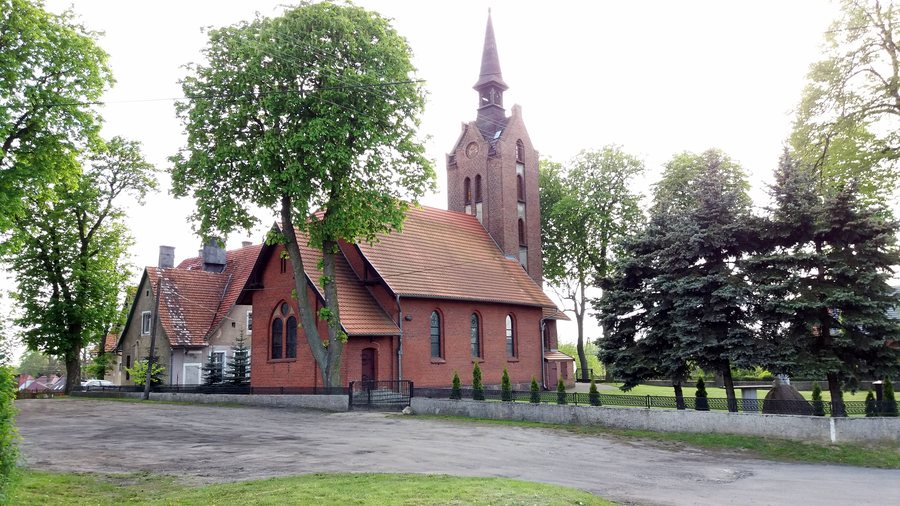
Another cultural point of interest is the Church of St. Andrew Bobola in Nojewo. It is listed in the heritage register and the monument list. Nojewo therefore brings together several different themes: railway history at the station, railway structures, a handcar, a yellow hiking trail, and a protected religious building. If you are looking for accommodation in Nojewo, these interests can help determine which aspects of the village matter most when planning your trip.
Which other places can you compare?
If you would like to include other destinations in your search alongside Nojewo, you can find Chojno-Wieś, Chojno-Młyn, Niewierz, Podrzewie, Sokolniki Wielkie, Szamotuły, Wronki, and Obrzycko.
FAQ
What can you find in the Nojewo railway museum?
The museum contains historic railway uniforms, cardboard tickets, information boards, and maps. It is located in the station building.
Which places are on the described hiking trail route?
The yellow Ostroróg–Bydgoszcz trail passes through Zajączkowo and Nojewo, then continues in the direction of Sieraków, Trzcianka, and Bydgoszcz.
How many railway bridge and viaduct structures are there?
There are five: three three-arched bridges, a viaduct over a road, and a viaduct over the tracks.
For the broader travel overview: Szamotuły.

