
Szamotuły – Cultural History and Cycling Route
Accommodation in Szamotuły
Szamotuły combines architectural history and religious art with a specific starting point for a longer cycling tour. If you are looking for a hotel for a culture-focused stay or as a base for cycling, the town offers different options to shape your travel plans.
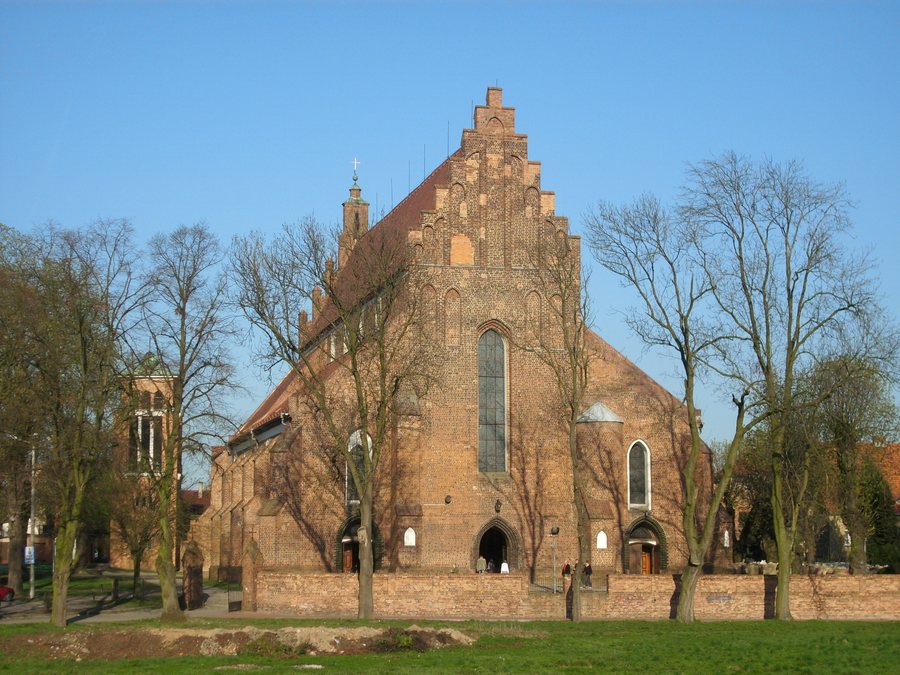
Szamotuły at a glance
Historic buildings include the collegiate church, Górków Castle, and Halszka Tower. The collegiate church houses works of art and the icon of Our Lady of Consolation. The 45 km Szamotulska Pętla Zachodnia cycling route starts in Szamotuły.
What architectural history can you discover in Szamotuły?
Halszka Tower was built in the 15th century as a defensive tower and converted for residential use around 1518. It is also known as Baszta Czarnej Księżniczki. The building’s two phases of use give it a distinctive historical context: it was first built as a defensive tower and later converted for residential use. Those interested in the history of individual buildings can discover different stages of its history in one place.
Górków Castle dates from the late 15th century and is home to the Muzeum – Zamek Górków. The building and museum are therefore closely connected through their function: the castle is not only a historic landmark, but also houses the cultural institution mentioned above. The Church of the Holy Cross has a different history. The Korzbok-Łącki family had it built on the site of the former Świdwa castle; it was consecrated in 1699.
What art and history does the collegiate church offer?
The collegiate church was built in the 14th century. Its star vault is characteristic of German Gothic architecture. The walls and windows feature multicoloured paintings and stained-glass windows from the 19th and 20th centuries. Another historic feature is the bronze tomb slab for Andrzej Szamotulski, dating from around 1500 and made in the workshop of Andreas Vischer. The vault, paintings, stained glass, and tomb slab represent different artistic forms and periods.
The image of Our Lady of Consolation of Szamotuły is in the southern chapel. It is a Ruthenian icon from the first half of the 17th century. For centuries, it has been an object of religious veneration and the destination of numerous pilgrimages. When planning your trip, you can distinguish this religious focus from the architectural and artistic history of the other churches mentioned.
What should you plan for a cycling tour?
The Szamotulska Pętla Zachodnia is 45 km long and starts at the Town and Municipality Office at ul. Dworcowa 26. From Szamotuły, the route leaves town via 3 Maja, Sportowa, and Lipowa streets. Its length, starting address, and sequence of streets give you specific details to consider when adding the tour to your travel plans.
If church art and architectural history are your main priorities, Szamotuły offers several different historic points of interest. If you would also like to include cycling, you can take into account the known starting point of the 45 km route.
To search separately for pages about other localities, you can also visit Nojewo, Sokolniki Wielkie, Podrzewie, Obrzycko, Wronki, Niewierz, and Chojno-Młyn. Another page about a locality is available at Rudki-Huby.
FAQ
How long is the Szamotulska Pętla Zachodnia cycling route?
The cycling route is 45 km long.
Where does the cycling route start in Szamotuły?
It starts at the Town and Municipality Office at ul. Dworcowa 26.
Where is the icon of Our Lady of Consolation?
The image is in the southern chapel of the collegiate church.
How was Halszka Tower used in the past?
It was built in the 15th century as a defensive tower and converted for residential use around 1518. It is also known as Baszta Czarnej Księżniczki.
For the higher-level travel overview: Samter.

