
Discover Wongrowitz: Rivers, Monastery Remains and a Castle
Accommodation in Wongrowitz
Travelers looking to combine river landscapes and cultural history on a trip to Poland will find both in Wongrowitz: the Nielba and Wełna rivers meet in Wągrowiec County, and Łekno is home to remains of sacred architecture.
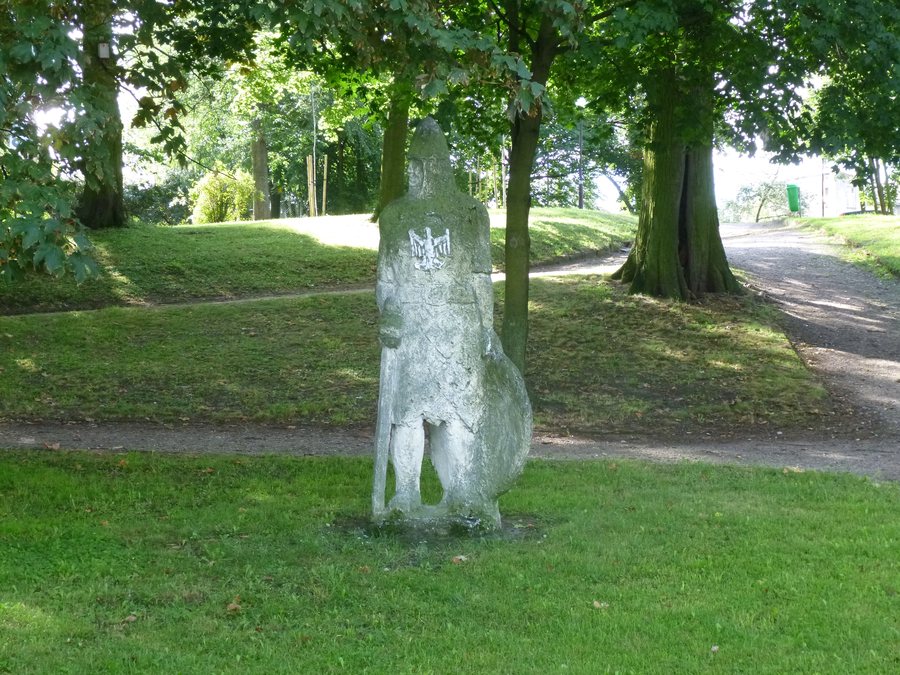 File:Wągrowiec, promenada wzdłuż brzegu Jeziora Durowskiego. Pomnik woja.jpg
Photo: Kokoniew1 via Wikimedia Commons, CC BY 3.0
File:Wągrowiec, promenada wzdłuż brzegu Jeziora Durowskiego. Pomnik woja.jpg
Photo: Kokoniew1 via Wikimedia Commons, CC BY 3.0
Wongrowitz at a glance
Four rivers flow through Wągrowiec County: the Wełna, Nielba, Struga Gołaniecka and Mała Wełna. The Nielba and Wełna meet there. The region’s cultural history is shaped, among other things, by the monastery site in Łekno, the castle in Gołańcz and St. Nicholas Church in Tarnowo Pałuckie.
What makes the river landscape distinctive?
The four rivers provide a clear way to orient yourself in the region’s landscape. This is about more than simply listing two rivers in a regional overview: their meeting is a distinctive geographical feature of Wongrowitz. The Wełna and Nielba are part of the four-river overview, complemented by the Struga Gołaniecka and Mała Wełna.
If you choose your stay according to your interests, you can combine this river perspective with a focus on cultural history. The places and buildings below tell the stories of different periods and forms, from the founding of a monastery and sacred architecture to a medieval defensive and residential tower.
Which cultural sites are associated with Łekno?
In the first half of the 12th century, Zbylut of the Pałuki family founded a Cistercian monastery in Łekno. The abbey is now considered the oldest in Poland. This long historical perspective makes Łekno an important destination for travelers interested in early monastic history.
The Łekno settlement complex contains discovered and conservationally secured remains of various types of buildings: castle structures, a Romanesque rotunda and Gothic sacred architecture. Several distinct examples can therefore be seen side by side, differing in function and architectural classification. St. Nicholas Church in Tarnowo Pałuckie adds to the area’s cultural history: it was entered in the register of monuments in 1933.
What can you expect at Gołańcz Castle?
Gołańcz Castle is a defensive and residential tower dating from the second half of the 14th century, situated on the shore of Lake Smolary. Its dual function is clear from the name: the building combines defensive and residential features. It is partly surrounded by surviving walls that are four meters high. The castle’s age, design and wall height give it a different historical focus from the monastery remains in Łekno.
The Pałuki Castle in Gołańcz was officially opened to individual and group tourism starting March 10. At the time of the announced opening, admission was free. Individual visitors did not need to book in advance, but had to collect a free admission ticket at the castle information point. Visits were possible only with a guide, with tours starting on the hour.
For more information about the region, you can also visit the pages for Wągrowiec, Grzybowo, Legowo, Mikołajewo, Gołaszewo, Skoki, Kobylec, Sławica and Przysieczyn.
FAQ
Which rivers flow through Wągrowiec County?
The Wełna, Nielba, Struga Gołaniecka and Mała Wełna flow through Wągrowiec County.
What is there to see in Łekno?
The settlement complex contains remains of castle structures, a Romanesque rotunda and Gothic sacred architecture.
How were visits to the castle in Gołańcz organized?
At the time of the announced opening, visits were free and possible only with a guided tour starting on the hour. Individual visitors did not need to book in advance, but had to collect a free admission ticket at the information point.
For the broader travel overview: Greater Poland.

