
Wolsztyn: Steam Locomotives, Museums and Lakes
Accommodation in Wolsztyn
Wolsztyn combines railway experiences with museums and two bodies of water that play different roles in the town. When planning your trip, it is particularly worth considering whether you want to focus on steam locomotives, art and history, or the town’s connection to the water.
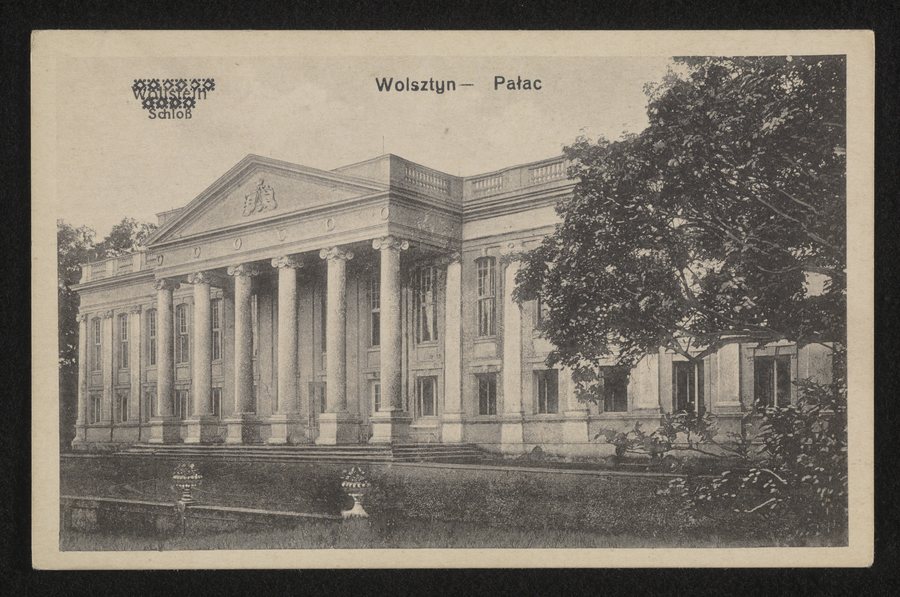 File:Wollstein - Schloss - Wolsztyn - palac. okolo 1915 (74176374).jpg
Photo: Unknown author Unknown author via Source, Public domain
File:Wollstein - Schloss - Wolsztyn - palac. okolo 1915 (74176374).jpg
Photo: Unknown author Unknown author via Source, Public domain
Wolsztyn at a glance
Every year, Wolsztyn hosts the “Parada Parowozów.” Historic steam locomotives are presented to a large audience at the event. At the Parowozownia Wolsztyn, visitors can also watch a scheduled train with a historic steam locomotive depart every day. The museums include the Muzeum Marcina Rożka and the Muzeum Dr Roberta Kocha. Jezioro Wolsztyńskie is Wolsztyn’s most important bathing lake; Jezioro Berzyńskie is the base of the Wolsztyński Klub Żeglarski.
What steam locomotive experiences are available?
The annual “Parada Parowozów” is a special occasion for anyone who wants to see historic steam locomotives: the event presents them to a large audience. If you are interested in this event, you should consider making it the main reason for your trip.
The Parowozownia Wolsztyn offers a different perspective on the railway. Visitors can watch a scheduled train with a historic steam locomotive depart every day. This means there are two distinct ways to experience the locomotives: the annual presentation of several historic steam locomotives to a large audience, and the daily observation of a train departure. The railway site also has a turntable with a diameter of 20.5 metres.
What roles do the lakes play?
Jezioro Wolsztyńskie is Wolsztyn’s most important bathing lake. Jezioro Berzyńskie is the base of the Wolsztyński Klub Żeglarski. These details point to two different connections with the water: swimming and a sailing club. They help you see the lakes as distinct destinations rather than interchangeable ones.
Which museums suit your interests?
The Muzeum Marcina Rożka focuses on art and the artist himself. It introduces Marcin Rożek and features a permanent exhibition about his artistic work. The museum is housed in a villa built in 1934 to the artist’s design. The exhibition theme and the history of the building are thus distinct aspects of this museum. The museum also offers educational activities and museum lessons.
The Muzeum Dr Roberta Kocha has a different focus: it commemorates Robert Koch, who worked as a district physician in Wolsztyn from 1872 to 1880.
Which topics could influence your choice?
Other destination pages in the directory: Barchlin, Wilcze, Grójec Mały, Bucz, Godziszewo, Tuchorza and Solec Nowy. Another destination page leads to Kębłowo-Kolonia.
FAQ
What is shown at the “Parada Parowozów”?
At the parade held annually in Wolsztyn, historic steam locomotives are presented to a large audience.
Can you watch a train depart every day at the Parowozownia Wolsztyn?
Yes. Visitors can watch a scheduled train with a historic steam locomotive depart there every day.
Which lake is Wolsztyn’s most important bathing lake?
Jezioro Wolsztyńskie is Wolsztyn’s most important bathing lake.
What are the thematic differences between the two museums?
The Muzeum Marcina Rożka introduces the artist and his work. The Muzeum Dr Roberta Kocha commemorates Koch’s work as a district physician in Wolsztyn from 1872 to 1880.
For the broader travel overview: Wollstein.

.jpg)