
Discover Sułkowice
Accommodation in Sułkowice
Sułkowice combines walking and cycling routes with longer hiking trails and traces of the town’s craft history. When planning your trip, you can choose between outdoor activities and cultural and historical interests.
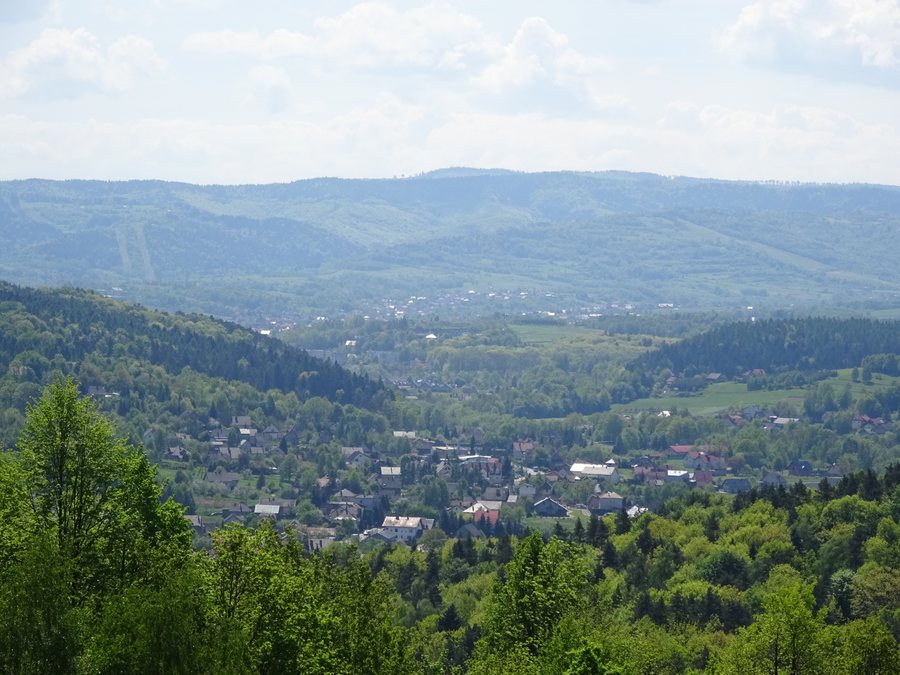 File:Sułkowice - Widok na miasto od północy - POL, Sułkowice.jpg
Photo: Mach240390 via Wikimedia Commons, CC BY 3.0
File:Sułkowice - Widok na miasto od północy - POL, Sułkowice.jpg
Photo: Mach240390 via Wikimedia Commons, CC BY 3.0
Sułkowice at a glance
- The town lies in a small hollow between the Harbutówka and Gościbia waterways.
- Walking and cycling paths run around the recreational reservoir.
- The Szlak Sułkowickich kowali runs from Sułkowice to Skawina, is 22 km long, and takes about six hours to walk.
- A yellow hiking trail runs west through Sułkowice, via Lanckorona and Skawinki, to Chełm.
What does the recreational reservoir offer?
Around the recreational reservoir, you can choose between walking and cycling paths. This makes it a different kind of outing from the longer hiking trails that start in or pass through Sułkowice. If you want to include some exercise in your trip, these differences can help you choose an activity that suits you.
The reservoir area includes an amphitheatre with a stage, parking spaces, a children’s playground, and an open activity area. There is also a small food outlet with toilets. If you are travelling with children, you can consider the playground as a specific place to visit during your time in the recreation area.
Which hiking trails can you choose?
The Szlak Sułkowickich kowali is a longer route with a clearly stated distance: 22 km from Sułkowice to Skawina, taking about six hours to walk. This information is useful for planning your day. The yellow hiking trail is described differently: it runs west through the town, via Lanckorona and Skawinki, to Chełm.
For hikers, Sułkowice is considered a convenient starting point for some areas of the Beskid Średni and the Pogórze Wielickie. The different routes can therefore be distinguished by destination and the time available: the route to Skawina has a stated distance and approximate walking time, while the places along the yellow trail and its westward direction provide guidance.
What traces of local history can you find?
The blacksmithing tradition is featured at several places in the town. Around a dozen historic forges from the 19th century are scattered throughout the town. The Izba tradycji rzemiosła i szkolnictwa zawodowego is also located at the Zespół Szkół Zawodowych i Ogólnokształcących. These points of interest offer different insights into the connection between craftsmanship and vocational education.
The Church of St. Zofia on Wąska Street is also part of the town’s history; it is a registered monument. In 1825, it was rebuilt on the site of a chapel erected in 1627 and founded by Jan Zebrzydowski. Another historic building is the Old School: built in 1895, it now houses the library and the Izba Tradycji.
The monument to the victims of the Sułkowice pacification stands in the western part of the market square. Commemorative ceremonies for important national and local anniversaries are held in front of it every year, including on 3 May, for the Sułkowice pacification, and for the recovery of independence. Remembrance and the history of craftsmanship are among the cultural and historical themes you can explore as you learn about the town.
If you would like to compare other destinations, you can also find Gruszów, Wiśniowa, Glichów, Stróza, Głogoczów, Harbutowice, Borzęta and Trzemesnia.
FAQ
How long is the Szlak Sułkowickich kowali?
The route from Sułkowice to Skawina is 22 km long and takes about six hours to walk.
Which places are on the yellow hiking trail?
The trail runs west from Sułkowice, via Lanckorona and Skawinki, to Chełm.
Where is the monument to the victims of the pacification located?
It is located in the western part of Sułkowice’s market square.
For the wider travel overview: Myślenice.

