
Dursztyn – Limestone Cliffs, Hiking Trails and Spisz Culture
Accommodation in Dursztyn
Dursztyn combines its high elevation on the western edge of the Pieniny Spiskie with limestone cliffs, hiking trails and Spisz traditions. If you are looking for accommodation, you can assess the village based on whether landscape, marked trails, regional culture or a specific place to stay matters most for your trip.
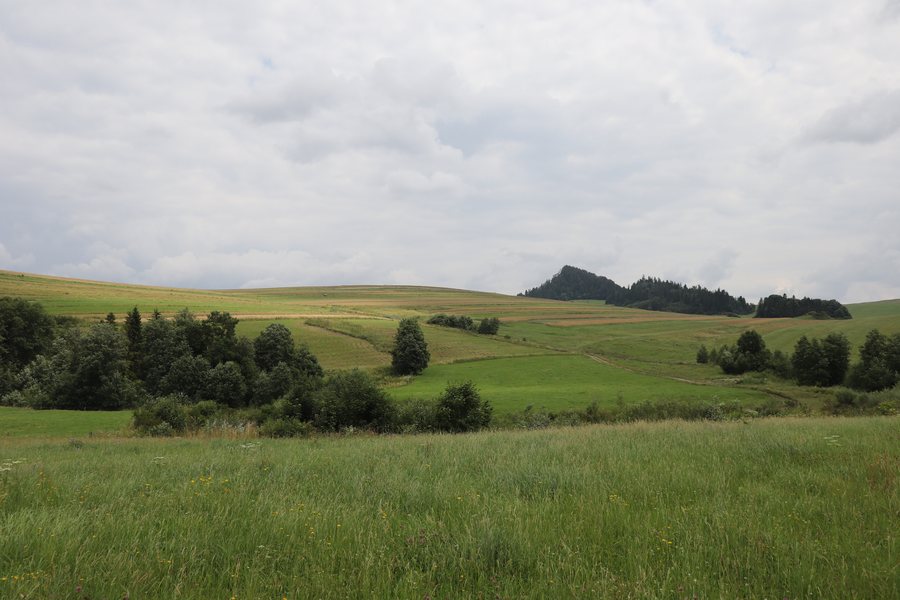 File:Krempachy Dursztynskie Skalki 01.jpg
Photo: Andrzej Otrębski via Wikimedia Commons, CC BY-SA 4.0
Dursztyn at a glance
Dursztyn lies at an elevation of 710 to 740 metres among limestone cliffs covered with spruce trees. Two marked hiking trails meet in the village centre. Sheep's cheese, Bundz and smoked cheeses (Oszczypki) are made at the foot of Czarna Góra near Dursztyn, where tourists can buy them.
What defines the landscape of Dursztyn?
Limestone and spruce trees define the landscape on the western edge of the Pieniny Spiskie. Near Dursztyn, the Dziurawy stream cuts small gorges into the limestone ridges. Thus, both wooded cliffs and stream-carved ravines are among the village's distinctive landscape features. Those interested in nature and geology will find tangible points of interest in the landscape itself.
One prominent landmark is Czerwona Skałka, located at the entrance to Dursztyn on the road from Krempachy. The cliffs and gorges describe the landscape; Czerwona Skałka adds a named landmark at the village entrance.
How do the hiking trails differ?
The green-marked hiking trail leads from Szaflary through Gronków and Krempachy, passing through Dursztyn. The red-marked trail also passes through the village, running from Chochołów over the Spisko-Gubałowskie Foothills. Both trails meet in the centre. For planning, you can start by comparing their different routes and starting points.
If you want to head for the summit of Góra Żar, the shortest and most convenient red-marked route starts in Dursztyn. This is a separate route option leading to the summit, in addition to the two marked trails that pass through the village.
What connects Spisz culture and regional cuisine?
The Spisz dialect, distinctive traditional costumes and customs are still maintained in Dursztyn. The dialect is very similar to the Podhale dialect. Language, clothing and customs thus offer different insights into local culture.
The pasture at the foot of Czarna Góra is also part of the traditions described here: around 1,000 sheep from villages in Podhale are still traditionally tended there. Sheep's cheese, Bundz and smoked cheeses (Oszczypki) are also made on the pasture and are available for tourists to buy. This offers a chance to discover regional cuisine and pastoral farming in the same place.
What should you know about accommodation in Dursztyn?
The Franciscan Retreat Centre in Dursztyn has 47 beds in single, double, triple and quadruple rooms, each with its own bathroom. The different room categories give you a concrete basis for matching the accommodation to the size of your travel group. If you are considering the centre, ask about availability for your travel dates in advance.
Discover more destinations: Zaskale, Czorsztyn, Falsztyn, Podsarnie, Kacwin, Ochotnica Dolna, Ochotnica Górna and Łopuszna.
FAQ
Which hiking trails meet in the centre of Dursztyn?
The green-marked trail from Szaflary through Gronków and Krempachy meets there with the red-marked trail from Chochołów over the Spisko-Gubałowskie Foothills.
Which cheeses can tourists buy at the foot of Czarna Góra?
Sheep's cheese, Bundz and smoked cheeses (Oszczypki) are made on the pasture near Dursztyn and are available to buy.
Do the rooms at the Franciscan Retreat Centre have private bathrooms?
Yes. The single, double, triple and quadruple rooms each have their own bathroom.
Go to the overview of the wider travel region: Nowotarski.

