
Bolesławiecki: Ceramics, History and Landscape
Accommodation in Bolesławiecki
Ceramic history, historic city routes and landscapes offer different starting points for planning your trip to the Bolesławiecki region.
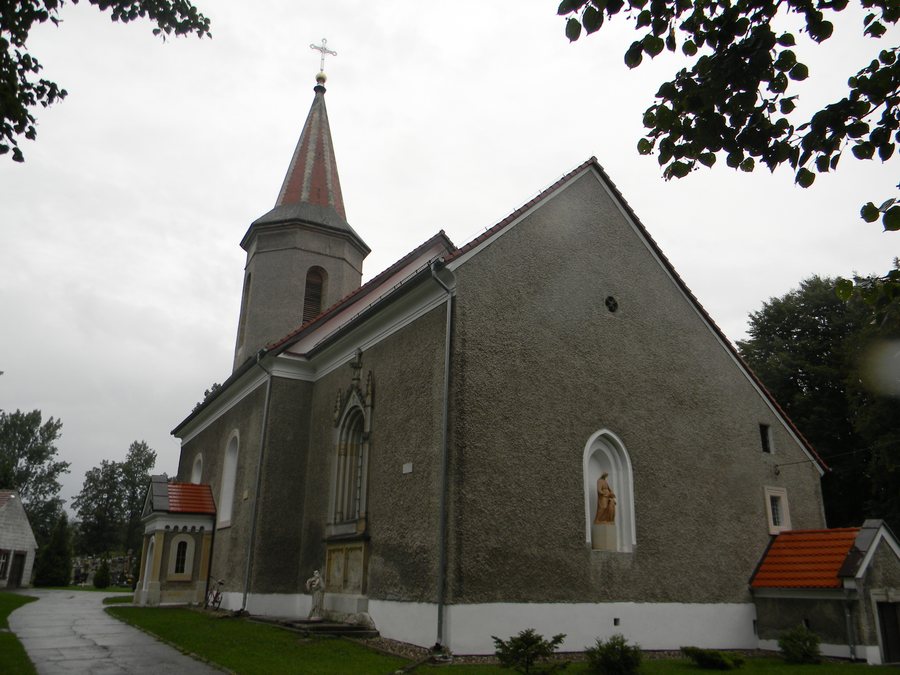 File:POL Kościół św Jadwigi w Tomaszowie Bol 01.JPG
Photo: Antosh via Wikimedia Commons, CC BY-SA 3.0 pl
Bolesławiecki at a glance
- The Muzeum Ceramiki in Bolesławiec collects materials on the city’s and region’s history, the development of ceramics, and contemporary ceramic sculptures.
- The Bolesławieckie Święto Ceramiki takes place every year in August in the city of Bolesławiec; dates and programmes may change.
- The lowland “Puszczański” trail between Zebrzydowa and Bolesławiec is 34 kilometres long in total.
- Powiat bolesławiecki includes various nature and landscape protection areas.
What ceramics enthusiasts can discover in Bolesławiec
The collections of the Muzeum Ceramiki bring together several perspectives: they include materials on the history of Bolesławiec and the region, the development of Bolesławiec ceramics, and contemporary ceramic sculptures by artists who take part in the ceramic plein-air events in Bolesławiec. Since April 2024, the collections of the ceramics department and city history have been displayed in newly and modernly designed spaces. Check the current access arrangements before your visit.
Bolesławiec has a centuries-old ceramic tradition. In 2021, it became the first city in Poland to officially join the European Route of Ceramics, a cultural route certified by the Council of Europe. Nearby, the Centrum Dawnych Technik Garncarskich offers workshops on the potter’s wheel and in ceramic decoration. Other activities include making bas-reliefs and small sculptures, casting vessels in moulds, and making impressions in plaster moulds. The centre can be visited individually or in groups without a guide; check the current arrangements in advance.
When the ceramics festival and city tours are on the programme
The Bolesławieckie Święto Ceramiki takes place every year in August in Bolesławiec. The 32nd edition ran from 19 to 23 August 2026: for five days, a ceramics market was held at the Rynek and on ul. Prusa. This specific period describes the 2026 programme; future dates and programmes may differ.
For an introduction to the city’s history, the Muzeum Ceramiki offers, among other things, the historic “Szlak ceramików i rzeźbiarzy” route. It also offers guided city tours on five historic routes in the surrounding area; you must select your preferred route when booking. The “Szlak średniowiecznych budowniczych i kopaczy złota” walk includes the town hall, the church of pw. Wniebowzięcia NMP i św. Mikołaja, the city walls, and a monument commemorating the construction of the water supply and sewage network in 1531. If you plan to take a guided tour, confirm the current booking arrangements with the museum.
Routes and landscapes to compare
The lowland “Puszczański” trail runs for 34 kilometres in total between Zebrzydowa and Bolesławiec. Of this distance, 16 kilometres are in Gmina Osiecznica and five kilometres in Gmina Bolesławiec. The trail runs mostly through large forest areas; in Gmina Bolesławiec, a significant part of it passes through meadows. This information gives you an idea of the distance and landscape, not the walking time.
Another route listed is the ER–6 “Dolina Bobru” cycle route in Gmina Bolesławiec. In Powiat bolesławiecki, Bory Dolnośląskie is one of ten Natura 2000 sites and one of four landscape protection areas; it is also listed as a tourist attraction. Przemkowski Landscape Park is one of the landscape parks in the powiat. Dolina Czarnej Wody is also one of the four landscape protection areas, and Brzeźnik is one of the powiat’s three nature reserves. These regional details complement the specific routes with a range of landscape and protected-area themes.
More regional culture and traditions
Historic architecture and living traditions also enrich the picture of this travel area. The manor house in Warta Bolesławiecka acquired its Renaissance appearance in the first half of the 16th century. In Gmina Nowogrodziec, Pieczenica (Pečenica), a celebration featuring roast suckling pig, is considered a symbol of cultural heritage; the associated customs are still maintained there today. Thus, historic architecture and a still-practised festival tradition sit alongside ceramic culture.
Discover more destinations: Kruszyn, Naumburg Am Queis, Kraśnik Dolny, Zebrzydowa, Kliczków, Bunzlau, Raciborowice Górne and Osiecznica.
FAQ
What ceramics activities are available?
The Muzeum Ceramiki displays materials on the history of the region and ceramics, as well as contemporary ceramic sculptures. Nearby, the Centrum Dawnych Technik Garncarskich offers various pottery and ceramics workshops.
When does the Bolesławieckie Święto Ceramiki take place?
The festival takes place every year in August in Bolesławiec. The 32nd edition was held from 19 to 23 August 2026; future dates and programmes may differ.
What should you know about the historic city tours?
The Muzeum Ceramiki offers several historic routes. For the city tours on five routes, you must select your preferred route when booking; confirm the current booking arrangements with the museum in advance.
What information can help you compare the routes?
The lowland “Puszczański” trail is listed as 34 kilometres long, with sections in the gminas of Osiecznica and Bolesławiec. The ER–6 “Dolina Bobru” is listed as a cycle route in Gmina Bolesławiec.
For the broader travel overview: Lower Silesia.

