
Lubań County – Castles, City History and Landscapes
Accommodation in Lubań County
Lubań County brings together city history and a variety of architectural landmarks with the landscapes of the Kwisa Valley. This offers a mix of culture and nature to help you plan your trip: you can focus on historic buildings, a dam or themed excursion routes.
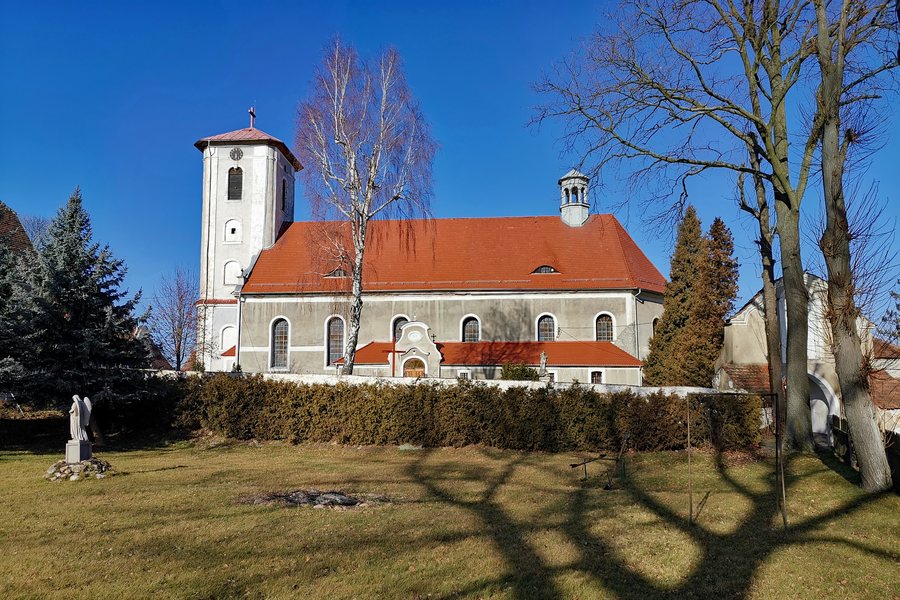 File:PL Henryków Lubanski church 1.jpg
Photo: PaulT (Gunther Tschuch) via Wikimedia Commons, CC BY-SA 4.0
File:PL Henryków Lubanski church 1.jpg
Photo: PaulT (Gunther Tschuch) via Wikimedia Commons, CC BY-SA 4.0
Lubań County at a glance
- The Bracka Tower in Lubań was built in 1318 and is 45 metres high.
- The tower houses the mineralogy department of the Regional Museum in Lubań.
- Czocha Castle dates back to the 13th century and later acquired a partly fairytale-like appearance.
- The Leśniańska Dam is 45 metres high and 130 metres long along its crest.
- Lubań County presents five themed excursion routes.
Which landmarks offer a glimpse into history?
The Bracka Tower is a striking starting point if you are interested in the history of Lubań and regional minerals. The eight-storey structure is 45 metres high. It houses the mineralogy department of the Regional Museum in Lubań. Its mineral collection includes specimens from the Kwisa Valley and the Jizera and Karkonosze Mountains. From the top of the tower, you can enjoy a panorama of the city; the combination of a historic building, an exhibition and city views makes it a varied cultural attraction.
Czocha Castle also brings together several periods. It was built in the 13th century by a Bohemian ruler. At the beginning of the 20th century, Bodo Ebhardt led a renovation after which the castle acquired its partly fairytale-like appearance. There is a specific option for visitors: a guided tour of the courtyards can also include a visit to the castle tower, which offers views of the surrounding area. If you would like to combine your cultural interests with a guided visit like this, it is important to bear this condition in mind when planning.
What other cultural landmarks have a distinct character?
The palace in Nawojów Łużycki represents Renaissance architecture. It was built in 1570–1571 and is considered one of the most valuable Renaissance architectural monuments in the whole of Upper Lusatia. The palace in Biedrzychowice has a different architectural focus: it is a Baroque palace and one of the most impressive buildings of its kind in western Lower Silesia. The two palaces thus offer different points of interest for a trip focused on architecture from various periods.
The Church of the Sacred Heart in Świecie is another example of historic interior design. It dates from the 14th century and has a wooden coffered ceiling featuring portraits of saints. This specific detail of the ceiling provides a clear art-historical focus: alongside landmarks such as the palaces and the castle, you can also include sacred art among your interests in the region.
What shapes the landscape around the Kwisa?
Excursions in the Kwisa Valley pass the river, wooded hills, rock faces and a reservoir. These landscape features offer a different focus from the historic buildings and give nature enthusiasts a variety of sights to look out for when planning their trip. The Leśniańska Dam is a separate technical attraction. It is considered one of Lower Silesia’s most interesting hydrotechnical monuments. Poland’s oldest hydroelectric power plant stands at the foot of the dam.
The dam’s dimensions are also impressive and specific: it is 45 metres high, and its crest is 130 metres long. Those interested in engineering and construction history will find a different point of interest here than at the palaces or churches. A 2.8-kilometre shared pedestrian and cycle path also runs along the DK30 in Lubań. This is a separate piece of information relevant to planning a walk or bike ride; it should not be equated with the themed excursion routes.
Which themes can help you choose your excursions?
Lubań County presents five themed excursion routes. They focus on fortifications, aristocratic residences, relics of the former criminal justice system, hydrotechnical monuments and sacred monuments. This lets you first decide based on your interests whether architectural history, technology or religious architecture should take priority. The themes help you choose suitable content for your trip without implying that the routes have a particular length or are intended for a particular mode of transport.
For a specific choice of location, you can also find pages for Olszyna, Księginice, Zapusta, Niemstów, Nawojów Łużycki, Jałowiec, Złoty Potok, Leśna, Lubań, Wolimierz, Pobiedna and Świeradów-Zdrój. Compare suitable accommodation offers for your trip if you want to combine your interests in landmarks, landscapes and excursions with the choice of a place to stay.
FAQ
How high is the Bracka Tower in Lubań?
The eight-storey Bracka Tower is 45 metres high. Its summit offers a panorama of the city.
What can be included in a guided tour of Czocha Castle?
A guided tour of the courtyards can also include a visit to the castle tower. From there, you can enjoy views of the surrounding area.
What themes do the excursion routes in Lubań County cover?
The five themes are fortifications, aristocratic residences, relics of the former criminal justice system, hydrotechnical monuments and sacred monuments.
For the main travel overview: Lower Silesia.

