
Złotoryja: Gold history and medieval traces
Accommodation in Złotoryja
Złotoryja offers a range of points of interest for a trip focused on gold history and historic buildings. The Muzeum Złota, an underground tourist route, traces of the medieval town and an annual gold panning competition give the place its own cultural character.
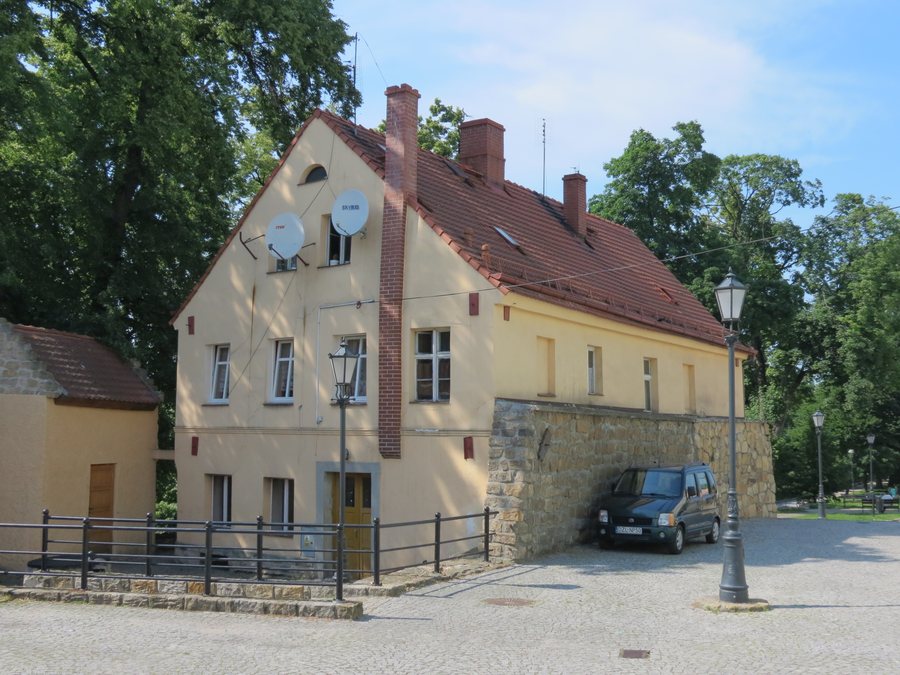 File:Złotoryja, pozostałości murów obronnych przy ul. Basztowej, widok od pd..JPG
Photo: Bazie via Source, CC BY-SA 3.0 pl
File:Złotoryja, pozostałości murów obronnych przy ul. Basztowej, widok od pd..JPG
Photo: Bazie via Source, CC BY-SA 3.0 pl
Złotoryja at a glance
- The Muzeum Złota is housed in a historic building dating from the second half of the 17th century, which is incorporated into the town’s defensive walls.
- The International Gold Panning Championships take place annually; the competition has been held since 1993.
- The Aurelia Mine has an approximately 100-metre-long underground tourist route.
- The Church of the Nativity of the Blessed Virgin Mary dates back to the 13th century.
- The historic townscape includes the Baszta Kowalska, townhouses around the Rynek and fragments of medieval defensive walls.
What gold history can you discover in Złotoryja?
The Muzeum Złota is a cultural point of reference, and its building is itself of historical interest: it dates from the second half of the 17th century and is incorporated into the defensive walls. A visit to this site therefore brings together both its connection with gold and its link to the town’s fortifications. The building dates from a different period than the 13th-century church; both represent distinct historical points of interest in Złotoryja.
The competition offers another connection to gold: Złotoryja hosts the annual International Gold Panning Championships, which have been held since 1993. Alongside the historical and cultural aspects of the subject, this provides a recurring event. When comparing Złotoryja as a travel destination, you can therefore consider whether gold history, the historic townscape or a competition best matches your interests.
The Aurelia Mine is also part of this theme. It has an approximately 100-metre-long underground tourist route. Its approximate length makes clear that this is a well-defined route; when planning a visit, consider it as a distinct experience alongside the above-ground buildings. Fragments of the mine’s hoisting shaft are also located beneath Góra św. Mikołaja. The mine’s origins date back to the mid-17th century. The shaft fragments and the underground route point to different specific aspects of the Aurelia Mine.
Which historic buildings shape the townscape?
The Old Town offers more than one point of historical interest. Historic townhouses stand around the Rynek, and fragments of medieval defensive walls have also been preserved. The Baszta Kowalska is one of the best-preserved medieval buildings in the town.
The Church of the Nativity of the Blessed Virgin Mary, dating from the 13th century, offers another point of reference. Together with the medieval Baszta and the fragments of the defensive walls, it broadens the picture of the town’s historic buildings. The Muzeum Złota adds a building from the second half of the 17th century to this selection. Anyone interested in architecture and urban history can distinguish between the different building types and dates, rather than reducing Złotoryja’s history to a single period.
Which focus suits your trip?
For a culture-focused stay, you can choose what to see based on your interests: the Muzeum Złota and the annual championships highlight different aspects of the gold theme, while the Aurelia Mine adds an underground route and fragments of a hoisting shaft. Those more interested in medieval urban history can explore the Baszta Kowalska, the fragments of the defensive walls and the 13th-century church. The townhouses around the Rynek are also among the Old Town’s historic features.
If you would like to compare other places in addition to Złotoryja, you can also find Nowy Kościół, Sędziszowa, Wojcieszów, Schönau An Der Katzbach and Biegoszów.
FAQ
What is Złotoryja known for in connection with gold?
The gold theme includes the Muzeum Złota, the annual International Gold Panning Championships and the Aurelia Mine with its underground tourist route.
How long is the underground route in the Aurelia Mine?
The underground tourist route in the Aurelia Mine is approximately 100 metres long.
When did the International Gold Panning Championships begin?
The competition has been held since 1993 and takes place annually in Złotoryja.
What historic buildings and traces can be found in Złotoryja?
They include the Baszta Kowalska, the Church of the Nativity of the Blessed Virgin Mary from the 13th century, historic townhouses around the Rynek and fragments of medieval defensive walls.
For the broader travel overview: Złotoryjski.

