
Dorohusk: Cultural Heritage and Hiking Trail
Accommodation in Dorohusk
Dorohusk offers ways to combine culture and hiking on a trip: a historic palace with a regional collection stands alongside a hiking trail more than 200 kilometers long.
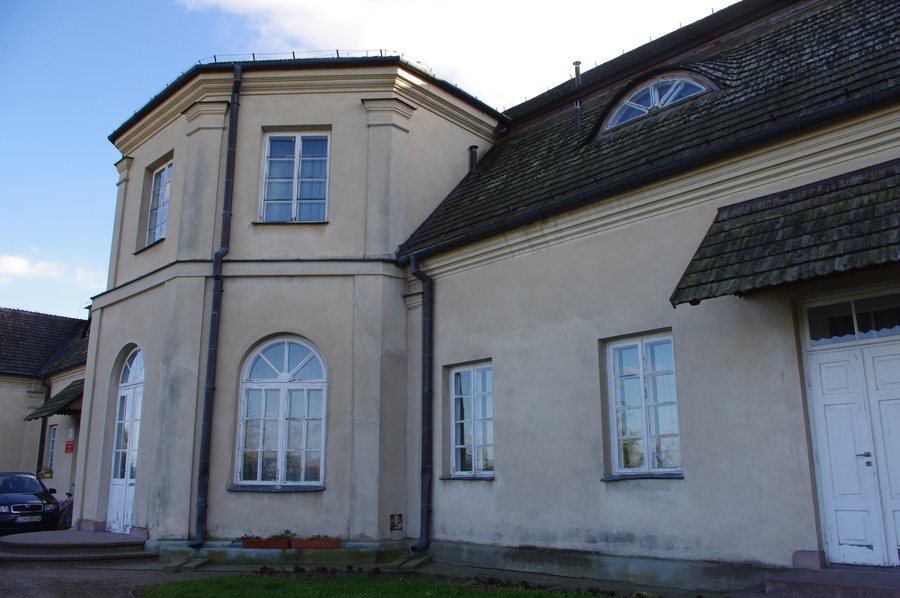 File:Dorohusk,pałac Suchodolskich.woj.lubelskie,pow,chełmski,gm.Dorohusk..jpg
Photo: Ar2rek via Wikimedia Commons, CC BY-SA 3.0 pl
File:Dorohusk,pałac Suchodolskich.woj.lubelskie,pow,chełmski,gm.Dorohusk..jpg
Photo: Ar2rek via Wikimedia Commons, CC BY-SA 3.0 pl
Dorohusk at a glance
Dorohusk is home to a wooden roadside sculpture of Saint John of Nepomuk from the 18th century. The Pałac Suchodolskich is located in Dorohusk-Osada, within the municipality of Dorohusk. It was built around 1750 by Michał Maurycy Suchodolski on a high escarpment above the Bug River. The red Kazimierz Dolny–Dorohusk hiking trail is 203 kilometers long and leads to Dorohusk.
What traces of history can you find at the Pałac Suchodolskich?
The Baroque Pałac Suchodolskich stands at the edge of the Bug River valley and belongs to a small regional group of 18th-century manor houses. Its location on a high escarpment above the Bug River and its construction around 1750 give the building a clear historical context. The name of its patron, Michał Maurycy Suchodolski, has also been preserved.
Remains of a small park have survived around the palace. These include an access avenue and a large lawn at the front. Two Classicist tombs come from the former Suchodolski family cemetery. There is also a stone Baroque statue of Saint Barbara. Together, these details distinguish the grounds as an ensemble: park remains, memorial sites, and sculpture complement the manor house’s architecture.
Which cultural sites shape Dorohusk?
The Gminne Centrum Kultury w Dorohusku is located in the Pałac Suchodolskich. The Izba zbiorów regionalnych in the palace contains more than 300 exhibits.
You can find another historical detail in Dorohusk itself: a wooden roadside sculpture of Saint John of Nepomuk stands there on a stone pedestal. It comes from the old church and dates to the 18th century. Comparing it with the palace reveals two distinct forms of cultural heritage: the sculpture, with its church origins, and a Baroque manor house with surviving park remains and a regional collection.
What should you know about the hiking trail to Dorohusk?
The red Kazimierz Dolny–Dorohusk hiking trail leads to Dorohusk and is listed as 203 kilometers long. This is the length of the entire route, not a short local loop. If the trail is part of your plans, take the route’s length into account and confirm the current trail markings locally.
This makes it easy to consider the trip’s two themes separately: the Pałac Suchodolskich represents Baroque architecture and regional history, while the hiking trail offers a distinct, long-distance route. The roadside sculpture in Dorohusk adds another tangible 18th-century object to the cultural experience.
Discover more destinations: Rejowiec, Romanówka, Huta, Czarnołozy, Chełm, Brzeźno, Stańków and Gotówka.
FAQ
Where is the Pałac Suchodolskich located?
The palace is in Dorohusk-Osada, within the municipality of Dorohusk. The roadside sculpture of Saint John of Nepomuk, by contrast, is in Dorohusk.
What remains of the park at the palace?
Remains of a small park have survived, including an access avenue, a large lawn at the front, two Classicist tombs from the former family cemetery, and a stone statue of Saint Barbara.
How long is the hiking trail to Dorohusk?
The red Kazimierz Dolny–Dorohusk hiking trail is 203 kilometers long. Confirm the current trail markings locally.
Return to the regional travel overview: Chełmski.

