
Discover Grójec
Accommodation in Grójec
Grójec lies on the Molnica and combines a revitalized city park with cultural sites and a variety of routes. If you choose a destination based on the specific experiences it offers, you will find both historical details and opportunities to include nature and outdoor activities in your travel plans.
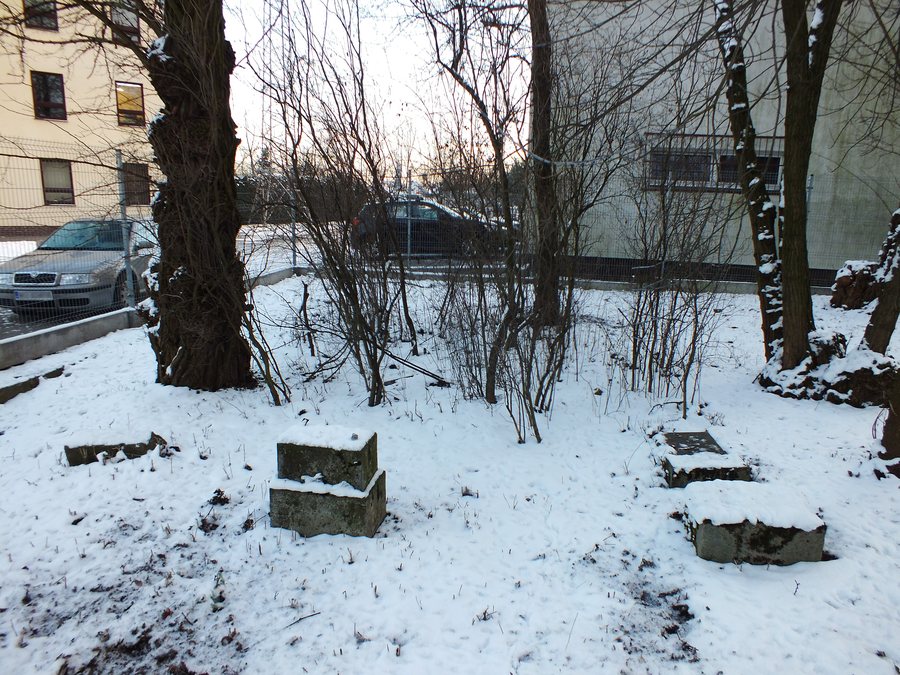 File:Cmentarz ewangelicki XIX Grójec ulica Mogielnicka 12.JPG
Photo: Wojciech Domagała via Wikimedia Commons, CC BY-SA 3.0 PL
File:Cmentarz ewangelicki XIX Grójec ulica Mogielnicka 12.JPG
Photo: Wojciech Domagała via Wikimedia Commons, CC BY-SA 3.0 PL
Grójec at a glance
- Grójec lies on the Molnica.
- The black Szlak do Grójca connects Jeziorka, Grójec and Kośmin over 17 km and serves as a link to the Modrzewina Nature Reserve.
- The red Kraina Jeziorki cycling route is 77.8 km long and passes through the municipality of Grójec.
- Cultural sites include the Church of St. Nicholas, several historic cemetery areas and the former narrow-gauge railway station.
What routes and green spaces are there?
Two differently named routes are relevant when planning your journey. The black Szlak do Grójca is 17 km long and connects Jeziorka, Grójec and Kośmin. It also serves as a link to the Modrzewina Nature Reserve. The distance and the places named give you a specific basis for including this route in your plans.
The red Kraina Jeziorki cycling route is a longer option in the wider region: its 77.8 km pass through the municipality of Grójec. When comparing routes, you can take into account their different lengths and names without combining them into a single route.
Within Grójec, the revitalized city park offers a green space for seniors, families with children, young people, athletes and people with dogs. It adds a distinct destination within the town to the routes on offer. When planning your trip, you can therefore consider whether to focus in particular on the signposted routes, the nature reserve or the city park.
Which cultural sites shape Grójec?
One notable work of art is the mural “Panorama Grójca 1867” by Sebastian Krawczak. It was drawn in pencil and measures 85 m². Its name, technique and size give the work a distinctive profile without requiring an interpretation of its subject.
The Church of St. Nicholas in Grójec has a wooden bell tower dating from 1889. The church also contains a baptismal font dated to 1482, in which ks. Piotr Skarga was baptized. The two dates refer to different features: the bell tower and the baptismal font.
Cemetery sites also preserve different historical memories. The Jewish cemetery in Grójec contains fragments of gravestones and a monument to Jews murdered during the Second World War. The Roman Catholic cemetery on Mszczonowska Street includes the Makowski Chapel, built in 1851. The Evangelical cemetery on Mogielnicka Street is protected along with its layout and gravestones. Those interested in history and cultural heritage will find several clearly distinct themes in Grójec.
What does the narrow-gauge railway tell us about the town?
Grójec is home to a historic narrow-gauge railway station. The former station underwent extensive revitalization in 2024–2025 and was converted into a branch of the Grójecki Ośrodek Kultury, with cultural and leisure functions. The site is therefore part of both the history of the narrow-gauge railway and its later cultural use. The dates refer to the revitalization and conversion.
Another architectural feature of the specially protected Grójecka Kolej Dojazdowa is a blacksmith’s building erected in 1938 at the station in Grójec. Together with the historic station, it gives the railway theme a tangible presence in the form of specific buildings. The Grójecki Ośrodek Kultury is also the main organizer of the annual Święto Kwitnących Jabłoni.
Which other places can you compare?
If you would like to explore pages for other places in this accommodation region as well as Grójec, see: Wola Kukalska, Budki Petrykowskie, Nowe Miasto nad Pilicą, Michalczew, Grójec, Lesznowola, Warka, Chynowie and Borowe. You can explore the available destinations individually before focusing your accommodation search on one place.
FAQ
How long is the black Szlak do Grójca?
The black Szlak do Grójca is 17 km long. It connects Jeziorka, Grójec and Kośmin and serves as a link to the Modrzewina Nature Reserve.
What is known about the baptismal font in the Church of St. Nicholas?
The baptismal font is dated to 1482. ks. Piotr Skarga was baptized in it.
What is the former narrow-gauge railway station used for culturally?
It underwent extensive revitalization in 2024–2025 and was converted into a branch of the Grójecki Ośrodek Kultury, with cultural and leisure functions.
For the broader travel overview: Masovia.

