
Lesznowola: Manor House, Park and Wayside Shrine
Accommodation in Lesznowola
Lesznowola offers a clear cultural and historical point of interest: a protected manor and park complex with a manor house, park and pond. When comparing hotels for your trip, this focus can help you decide whether to concentrate on the town’s history or also include other cultural topics in the wider destination of Grójec.
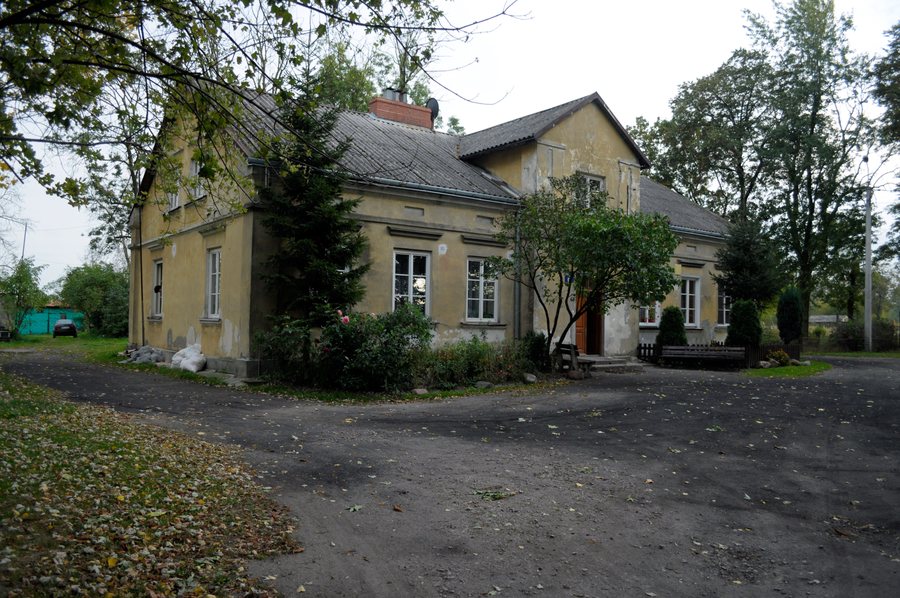
Lesznowola at a glance
- Lesznowola is located in the municipality of Grójec.
- The protected manor and park complex includes a manor house, a park and a pond.
- The manor park dates from the second half of the 18th century; the manor house was built in the mid-19th century.
- There is a historic wayside shrine in the park. A large, brick-built Marian wayside shrine in Lesznowola dates from 1891.
What stories do the manor house and park tell?
The manor house, park and pond form the centrepiece of the protected manor and park complex. The dates show that the park and manor house come from different periods: the park dates back to the second half of the 18th century, while the manor house was built in the mid-19th century. To understand the site, it is worth considering the two historic features separately while also keeping in mind that they are parts of the same complex.
The wayside shrine in the park is another detail handed down from the past. The large, brick-built Marian wayside shrine is dated 1891. Lesznowola thus brings together different forms of built heritage: the manor house and its surrounding park, as well as small religious monuments. If you would like to explore cultural history through more than a single building, you will find several specific topics here to inform your trip planning.
How can the cultural focus be put into context?
Lesznowola’s own historic point of interest is the manor and park complex. The wider destination of Grójec has other cultural topics, distinct from this one. For example, the mural “Panorama Grójca 1867” by Sebastian Krawczak was drawn in pencil and covers 85 m². The church of św. Mikołaja w Grójcu has a baptismal font dated 1482, at which ks. Piotr Skarga was baptised; the church also has a wooden bell tower dating from 1889.
The historic narrow-gauge railway station in Grójec adds another dimension: it underwent extensive revitalisation in 2024–2025 and was converted into a branch of the Grójecki Ośrodek Kultury, with cultural and leisure functions. These examples belong to the wider destination of Grójec and are not features of the manor and park complex in Lesznowola. Keeping this distinction in mind helps you separate the town’s local focus from the wider cultural context.
What does this mean when looking for accommodation?
When choosing a hotel, you can first decide what you want to focus on: should Lesznowola’s manor and park complex be the main focus, or would you also like to include the cultural topics mentioned in the wider destination of Grójec in your plans? The town’s history offers specific points of reference, without needing to group the individual attractions together as if they were all in one place. Compare hotels to suit your own plans and use Lesznowola’s historic themes to help decide which destination interests you.
Discover more destinations: Grójec, Budki Petrykowskie, Nowe Miasto nad Pilicą, Warka, Chynowie, Michalczew, Wola Kukalska, Borowe.
FAQ
What is included in the manor and park complex in Lesznowola?
The protected complex includes a manor house, a park and a pond. There is also a historic wayside shrine in the park.
What periods do the manor house and park date from?
The manor park dates from the second half of the 18th century. The manor house was built in the mid-19th century.
What other cultural topics are there in the wider destination of Grójec?
These include the 85 m² mural “Panorama Grójca 1867” and the church of św. Mikołaja w Grójcu, with its wooden bell tower from 1889 and baptismal font dated 1482.
Back to the wider travel overview: Grójec.

