
Discover Grójec: Culture and Apple Traditions
Accommodation in Grójec
Located on the Molnica River, Grójec offers several ways to shape your travel plans: sites of religious memory, a large pencil mural, regional apple traditions, and a route connecting Grójec with Jeziorka and Kośmin. You can decide whether to focus your stay on cultural history, a recurring event, or a longer route through the region.
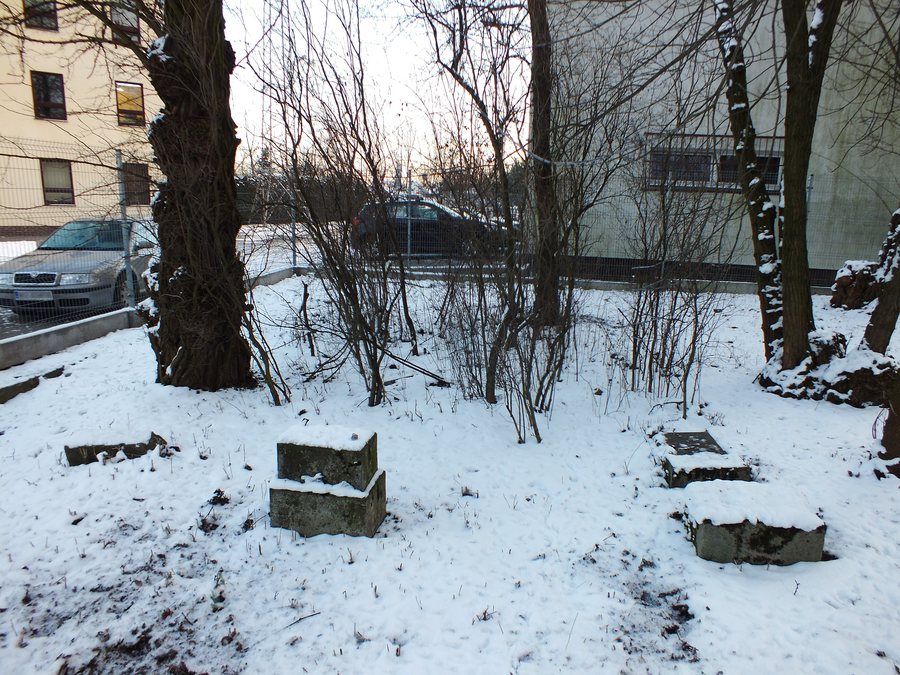 File:Cmentarz ewangelicki XIX Grójec ulica Mogielnicka 12.JPG
Photo: Wojciech Domagała via Wikimedia Commons, CC BY-SA 3.0 pl
Grójec at a glance
- St. Nicholas Church houses a baptismal font dated to 1482, where Piotr Skarga was baptized.
- Sebastian Krawczak’s “Panorama Grójca 1867” pencil mural covers 85 m².
- The Święto Kwitnących Jabłoni has been celebrated since 1959; in recent years, parts of the event have taken place in the market squares of Grójec and Kobylin.
- The protected geographical indication “jabłka grójeckie” covers 27 apple varieties and was entered in the EU register in 2011.
- The black Szlak do Grójca is 17 km long and connects Jeziorka, Grójec and Kośmin.
Which cultural sites define Grójec?
St. Nicholas Church and its surroundings bring together several distinct sites of remembrance. Inside the church is the baptismal font dated to 1482, where Piotr Skarga was baptized. A monument to him stands on the grounds; beside the church is a wooden bell tower dating from 1889. To orient yourself, note the precise locations: the baptismal font, monument and bell tower are in three different places around the church.
The “Panorama Grójca 1867” pencil mural offers another way to explore the local culture. Sebastian Krawczak created the mural using a pencil; it covers 85 m². Its name, technique and size give the work a distinct identity, setting it apart from the church’s memorials.
The history of the narrow-gauge railway is also part of the townscape. The former station of the Grójecka Kolej Dojazdowa in Grójec has been restored and converted into a branch of the Grójecki Ośrodek Kultury, with cultural and leisure facilities. The revitalization took place in 2024–2025. The protected Grójecka Kolej Dojazdowa also includes a blacksmith’s building erected in 1938 at the station in Grójec.
What links Grójec with apple traditions and a festival?
Apples are also part of the region’s identity. The protected geographical indication “jabłka grójeckie” covers 27 varieties and was entered in the EU register in 2011. Grójec apples have also received another recognition: in 2008, Poland’s Ministry of Agriculture and Rural Development added them to its List of Traditional Products. The two listings are distinct: one is a protected geographical indication, while the other is an entry on the List of Traditional Products.
The Święto Kwitnących Jabłoni is held annually and has been celebrated since 1959. The main organizer is the Grójecki Ośrodek Kultury. In recent years, part of the event has taken place in Grójec’s market square, with another part in the market square in Kobylin. If you are planning your trip around the festival, check the current event dates.
Which other sites and routes can you include?
The black Szlak do Grójca connects Jeziorka, Grójec and Kośmin over 17 km and serves as a connecting route to the Modrzewina Nature Reserve. This lets you extend a trip focused on Grójec with a regional route. The stated length helps you gauge the route’s scope; on its own, it does not indicate how long the walk will take.
Other historic sites include several cemeteries, each with its own commemorative features. The Jewish cemetery in Grójec preserves fragments of tombstones and a monument to Jews murdered during the Second World War. The Roman Catholic cemetery on Mszczonowska Street includes the Makowski Chapel, dating from 1851. The Evangelical cemetery on Mogielnicka Street is protected together with its layout and tombstones.
The revitalized town park in Grójec is a green space for seniors, families with children, young people, athletes and people with dogs. It offers a different focus from the historic sites and regional route.
How do you choose a hotel for your travel plans?
If you are looking for hotels in Grójec, first decide what you want your trip to focus on: church and urban history, apple traditions and the annual festival, or the regional route.
Discover more destinations: Chynowie, Borowe, Warka, Lesznowola, Budki Petrykowskie, Michalczew, Wola Kukalska and Nowe Miasto nad Pilicą.
FAQ
What is associated with Piotr Skarga at St. Nicholas Church?
The church houses a baptismal font dated to 1482, where Piotr Skarga was baptized. A monument to him stands on the church grounds; the wooden bell tower, dating from 1889, stands beside the church.
What recognition have apples from the Grójec travel area received?
The protected geographical indication “jabłka grójeckie” covers 27 varieties and was entered in the EU register in 2011. Grójec apples were also added to Poland’s List of Traditional Products in 2008.
Where have parts of the Święto Kwitnących Jabłoni been held in recent years?
Part of the event has been held in Grójec’s market square, with another part in the market square in Kobylin. The festival has been celebrated since 1959, with the Grójecki Ośrodek Kultury as its main organizer each year.
Which places does the Szlak do Grójca connect?
The black Szlak do Grójca is 17 km long, connects Jeziorka, Grójec and Kośmin, and serves as a connecting route to the Modrzewina Nature Reserve.
Back to the main travel overview: Grójec.

