
Hołny Wolmera: Manor House History and the Hołnianka
Accommodation in Hołny Wolmera
Hołny Wolmera can be understood through two specific features: the Hołnianka flows through the village and crosses the Polish-Lithuanian border there; a listed former manor distillery tells the story of changing uses. Both themes give your choice of destination a clear historical and geographical context.
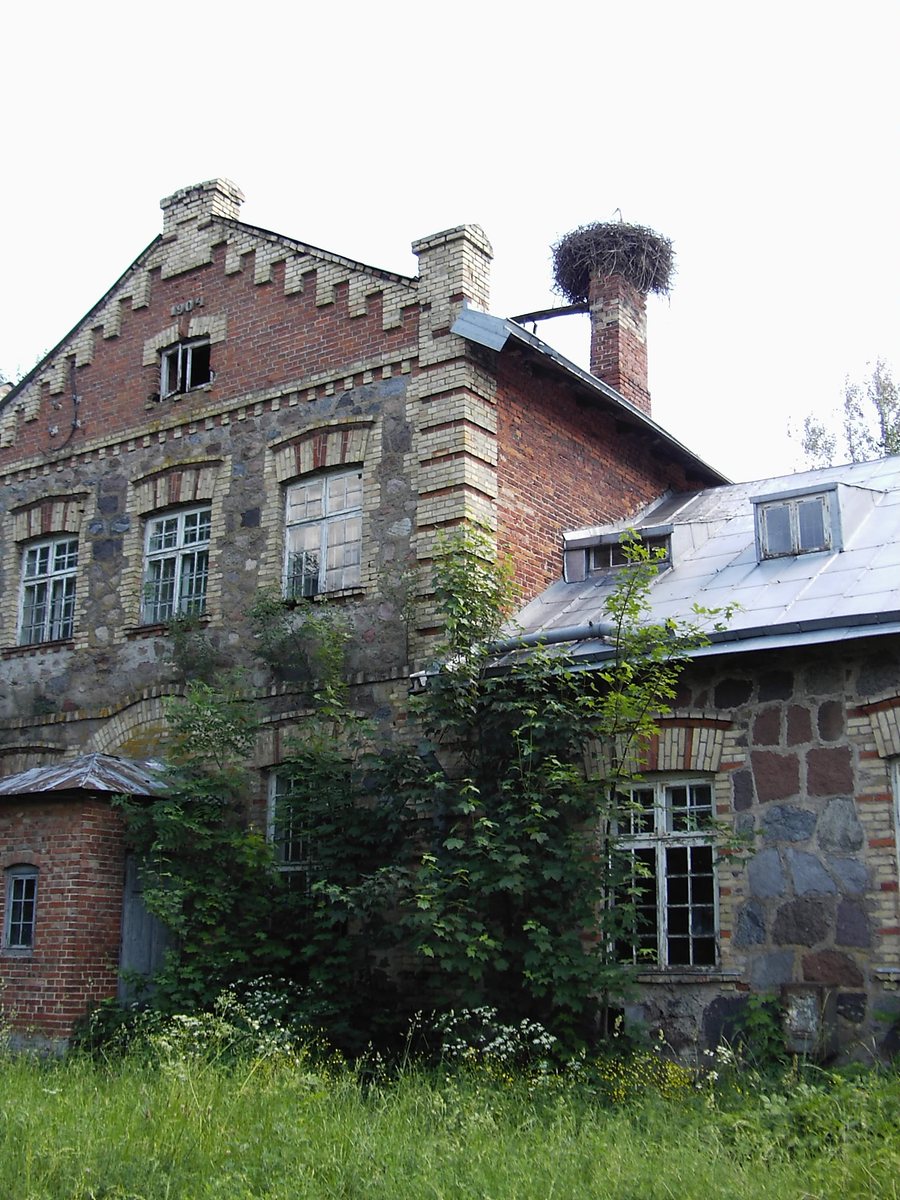
Key facts about Hołny Wolmera
- The Hołnianka flows through Hołny Wolmera and crosses the Polish-Lithuanian border there.
- In the surrounding area, it is a tributary of the Niemen. On the Polish side, lands belonging to Hołny Wolmera in the municipality of Sejny border a section of the river that forms part of the national boundary.
- The single-storey, brick manor distillery was built in 1904 and extended in the 1920s or 1930s.
- The former distillery later served as a guard post for the Korpus Ochrony Pogranicza.
- One description says that the maple avenue leading to the distillery has been preserved. Check its condition in advance if the avenue is important to your plans.
What story does the manor distillery tell?
The building was established in the Hołny Wolmera estate in 1904 as a manor distillery. A later extension is dated to the 1920s or 1930s. This makes it possible to view the construction and extension as two distinct stages in the building’s history.
The former distillery later served as a guard post for the Korpus Ochrony Pogranicza. Its listed status and subsequent border-related role add further historical layers to its original use as part of the estate. For travellers interested in cultural history, this sequence offers a tangible point of reference: it connects the building’s original function with its later use.
What architectural details are known?
The distillery was built of brick and has one storey. Along with its construction date and original function, these details provide a concise, specific description of the building. The later extension is also part of the same building’s history and should be distinguished from its original construction.
A maple avenue led to the former manor distillery. One description says it has been preserved. If you would like to include the avenue in your plans, check its condition in advance.
What does the Hołnianka tell us about the location?
The information about the river provides two geographical scales: the Hołnianka flows through Hołny Wolmera and crosses the Polish-Lithuanian border there. In the surrounding area, the river can also be identified as a tributary of the Niemen.
On the Polish side, lands belonging to Hołny Wolmera in the municipality of Sejny border a section of the river that forms part of the national boundary. The river’s course through the village, its crossing of the border there, and its place in the Niemen river system are therefore distinct aspects of the same geographical context.
Which themes might shape your choice of destination?
To decide whether Hołny Wolmera suits your travel plans, you can weigh up two interests: the former distillery represents architectural and usage history, while the Hołnianka reflects the geographical setting on the Polish-Lithuanian border. If you are comparing historic sites, the manor building offers a clear point of reference; if you are interested in the river landscape and its regional context, the Hołnianka can help you find your bearings.
Discover more destinations: Sejny, Głuszyn, Rosochaty Róg, Dusznica, Tartaczysko, Żubrówka Nowa, Mikołajewo, Giby.
FAQ
When was the manor distillery built?
It was built in 1904 as a single-storey brick building. It was extended in the 1920s or 1930s.
What later function did the distillery serve?
The former manor distillery later served as a guard post for the Korpus Ochrony Pogranicza.
How can the Hołnianka be placed geographically?
It flows through Hołny Wolmera, crosses the Polish-Lithuanian border there, and is a tributary of the Niemen.
For the main travel overview: Sejny.

