
Discover Rosochaty Róg
Accommodation in Rosochaty Róg
Rosochaty Róg combines a relatively short nature trail with visible traces of Old Believer history and old village buildings. This lets you consider nature observation and cultural themes as different priorities when planning your trip.
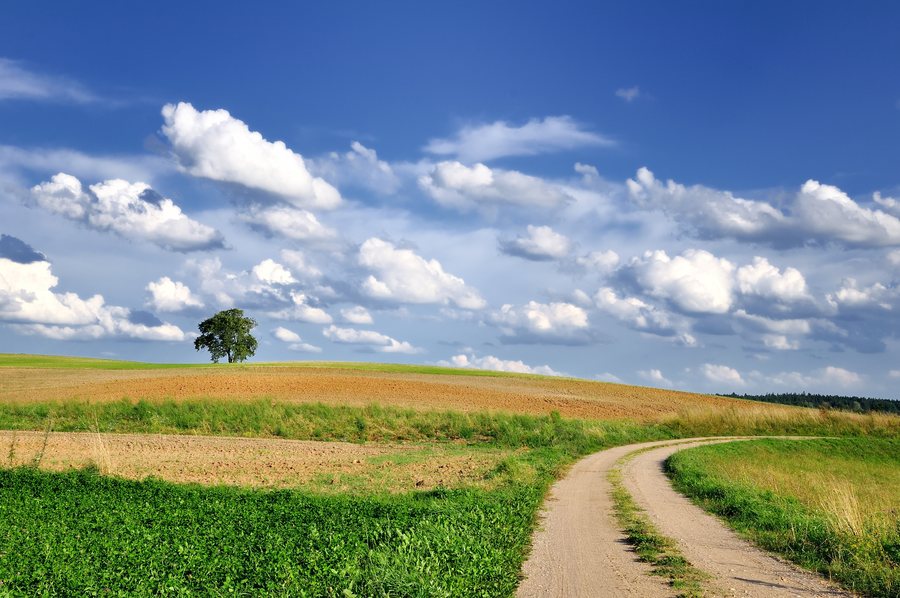 Suwalski Park Krajobrazowy, Rosochaty Róg
Photo: Bartosz Dworski via Wikimedia Commons, CC BY-SA 3.0 pl
Rosochaty Róg at a glance
- The “Płazy” nature trail runs through the central part of the Rosochaty Róg peninsula, between fields, meadows, and wetlands.
- Its stops focus on amphibians, as well as the plants and other animals associated with them.
- The Old Believers’ cemetery has been preserved, is visible to the right of the road, and was established in the second half of the 19th century.
- The boardwalks and the slope by the road are considered the best place at Lake Wigry to observe white-tailed eagles.
What can you expect on the “Płazy” nature trail?
The relatively short “Płazy” nature trail runs between fields, meadows, and wetlands in the central part of the Rosochaty Róg peninsula. The landscape is therefore as much a part of the route’s description as its stops: the trail passes through open areas and wetlands, connecting this setting with a nature theme.
The stops focus on the amphibian species found there, as well as the plants and other animals associated with them. The theme therefore extends beyond amphibians alone. For travellers who want to understand what a nature trail covers, this connection is useful: you can consider both the landscape and the animal and plant topics featured along the way.
Which cultural traces shape Rosochaty Róg?
An Old Believers’ cemetery has been preserved in Rosochaty Róg; it is visible to the right of the road. It was established in the second half of the 19th century. This dating gives the burial ground a specific historical context and makes it a distinct cultural landmark in the village.
The old buildings in the village of Rosochaty Róg are also among the main attractions along the green route. These two themes complement each other, though they offer different kinds of insight: the cemetery is a specific site with a historical context, while the old buildings represent the village’s architectural heritage. If you include cultural experiences in your trip planning, you can weigh these two aspects separately.
What nature observations are possible?
The boardwalks and the slope by the road in Rosochaty Róg are considered the best place at Lake Wigry to observe white-tailed eagles. Wildlife sightings may vary. This gives birdwatching a different focus from the “Płazy” nature trail: its stops are devoted to amphibian species and the plants and other animals associated with them.
The two nature themes therefore have different focuses: the boardwalks and slope are about white-tailed eagles, while “Płazy” covers several species and their habitat. You can decide whether you would rather include a particular birdwatching opportunity or a nature trail with a broader range of topics in your trip plans.
How can you factor these themes into your accommodation search?
Discover more destinations: Żubrówka Nowa, Giby, Radziucie, Ogrodniki, Sejny, Dusznica, Głuszyn, Hołny Wolmera.
FAQ
What does the “Płazy” nature trail show?
It runs between fields, meadows, and wetlands. Its stops focus on amphibian species, as well as the plants and other animals associated with them.
When was the Old Believers’ cemetery established?
The cemetery in Rosochaty Róg was established in the second half of the 19th century and is visible to the right of the road.
Where can you look for white-tailed eagles at Lake Wigry?
The boardwalks and the slope by the road in Rosochaty Róg are considered the best place to observe white-tailed eagles. Wildlife sightings may vary.
For the broader travel overview: Sejny.

