
Discover Wisła
Accommodation in Wisła
Wisła combines the Wisła Nature Reserve and waterfalls with extensive hiking trails, winter sports and distinctive cultural sites. When planning your trip, it is worth noting the differences: some routes are short walks, while others require a full day of hiking; there are also museums, architecture and seasonal activities.
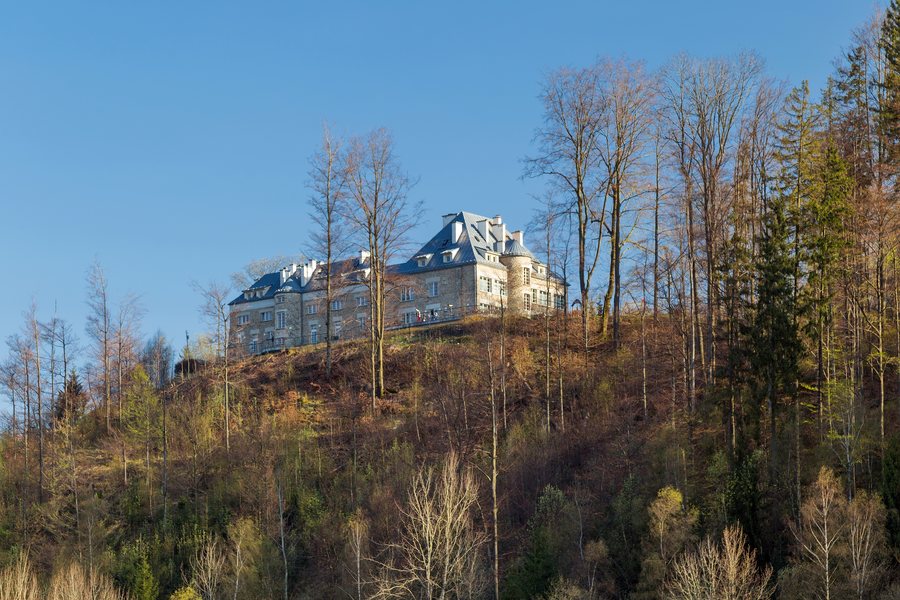 File:2017 Powiat cieszyński, Wisła, Zamek Prezydenta.jpg
Photo: Marcin Konsek via Wikimedia Commons, CC BY-SA 4.0
File:2017 Powiat cieszyński, Wisła, Zamek Prezydenta.jpg
Photo: Marcin Konsek via Wikimedia Commons, CC BY-SA 4.0
Wisła at a glance
- Wisła has more than 150 km of mountain hiking trails and 18 ski lifts.
- From spring to autumn, cycling, downhill, inline skating and roller skiing routes are available; in winter, the facilities include alpine skiing, cross-country skiing, ski touring and snowboarding.
- The Wisła Nature Reserve was established in 1959 to protect brown trout and its natural habitat.
- The Centrum Wisły walking trail is about 2 km long and takes approximately 45 minutes to walk.
Which trails and nature experiences suit your trip?
If you are looking for a shorter route, you can add the Centrum Wisły walking trail to your day’s plans: it is about 2 km long and takes approximately 45 minutes. Another option is the “W GÓRĘ DOLINY WISŁY” walking trail, which follows the Wisła River valley. For a longer day of hiking, the nature trail to Barania Góra goes through the Czarna Wisełka valley to the summit and returns to Wisła Czarne through the Biała Wisełka valley. It is about 16 km long, with an estimated walking time of 8 hours. Almost the entire trail runs alongside the two rivers protected as the Wisła Nature Reserve.
The nature trail near the Wisła Forest District Office also offers a distinctive landscape: it lies below the dam in Wisła Czarne and runs partly along the banks of the Wisła River and partly through a species-rich stretch of forest. The Rodła Cascades are waterfalls in the Biała Wisełka valley and are considered the largest waterfalls in the Silesian Beskids. The nature reserve was established to protect brown trout and its habitat; the river valleys and their protected status are also part of the area’s natural character.
What does Wisła offer besides hiking?
The cultural sites each have a different focus. The Castle of the President of the Republic of Poland in Wisła was built between 1929 and 1930, replacing a Habsburg hunting lodge from the early 20th century that had burned down. It was a gift from the people of Silesia to President Ignacy Mościcki and his successors. The castle is considered an avant-garde example of Polish architectural and artistic thinking between the world wars. Those interested in wooden architecture can visit Izba Leśna in Przysłop: built in 1863, the forester’s house is the oldest wooden building in Wisła.
Further insights are offered by the Ski Museum in the “Zimowit” building, with its extensive collection of ski equipment and old skis, and the wooden architecture enclave by the Beskid Museum. The enclave also includes a smithy, where visitors can watch a blacksmith at work. The Evangelical-Augsburg Church of the Apostles Peter and Paul was built between 1833 and 1838 to a design by Edward Koerber. The Chapel of St. Hedwig of Silesia in Zadni Groń is part of the complex of the residence of the President of the Republic of Poland and lies on the Silesian Wooden Architecture Trail.
Which activities are available in different seasons?
For winter trips, Wisła has facilities for alpine skiing, cross-country skiing, ski touring and snowboarding, as well as 18 ski lifts. From spring to autumn, cycling, downhill, inline skating and roller skiing routes offer other ways to stay active. These options differ considerably from walking and hiking: consider whether winter sports, longer mountain hikes, shorter trails or cultural sites will be the focus of your stay.
If you would like to compare Wisła with other destinations, you can also find information about Koniaków, Kostkowice, Cieszyn, Istebna, Dzięgielów, Ochaby Wielkie, Szczyrk and Bąków.
FAQ
How long is the nature trail to Barania Góra?
The trail is about 16 km long. The walking time is estimated at 8 hours.
What activities are available in winter?
Winter facilities include alpine skiing, cross-country skiing, ski touring and snowboarding. Wisła has 18 ski lifts.
What can you see at the Ski Museum in Wisła?
The Ski Museum is located in the “Zimowit” building and contains an extensive collection of ski equipment and old skis.
For the broader travel overview: Cieszyn Silesia.

