
Kocierz Moszczanicki: Valley, Pass and History
Accommodation in Kocierz Moszczanicki
Kocierz Moszczanicki can be discovered through its location in the Kocierzanka Valley, the road over Kocierska Pass and several historic memorial sites. This can help you decide whether you are primarily interested in the landscape, local history or transport connections for your trip.
Key facts about Kocierz Moszczanicki
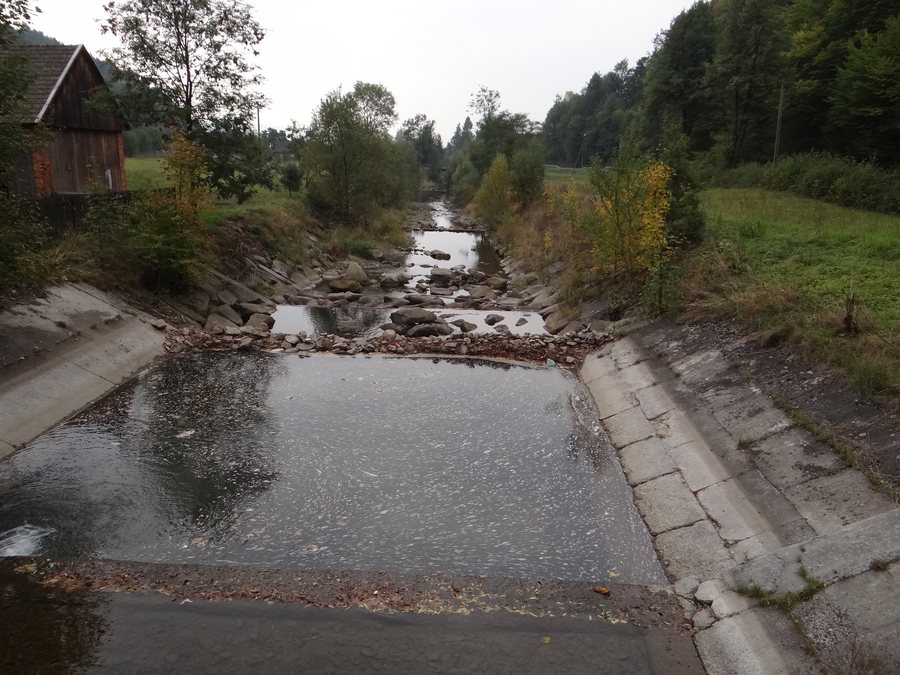
The village lies in a valley along the Kocierzanka River, which narrows towards the north. It is located at an elevation of about 500 metres above sea level. Road 781 between Żywiec and Andrychów passes over the 718-metre-high Kocierska Pass and through Kocierz Moszczanicki. The village’s history includes an early shepherd settlement and memorial sites on Beskidzka Street.
Where is Kocierz Moszczanicki located along Road 781?
Road 781 connects Żywiec and Andrychów and runs over Kocierska Pass and through Kocierz Moszczanicki. This gives you two clear reference points when looking at a map: the two towns along the road and the pass at an elevation of 718 metres. When planning your journey, you can take into account the road’s route and its passage through the village. The pass elevation refers to Kocierska Pass; it should not be confused with the village’s elevation, which is about 500 metres above sea level.
The shape of the valley also helps describe the village’s location: Kocierz Moszczanicki extends along the Kocierzanka, and the valley becomes narrower towards the north. The road, pass and valley are different reference points: the road describes the route, while the river and valley indicate the village’s location.
What historic memorial sites are there?
Kocierz Moszczanicki was established as a shepherd settlement around the turn of the 15th and 16th centuries. Its name points to its early role as a settlement of shepherds. When placing the village’s history in context, this early founding should be distinguished from the later stone memorials: they date from different centuries and each tells a different part of the village’s story.
A marble monument erected in 1947 stands at 57 Beskidzka Street. It commemorates 15 residents who were murdered by the Nazis on 14 August 1944. The year 1947 refers to the erection of the monument; 14 August 1944 is the date of the murders. The material, number of victims and both dates provide a specific historical context for this memorial site.
Another historic structure is a sandstone wayside shrine at 3 Beskidzka Street. It dates from 1775 and takes the form of a pillar with a niche-topped structure. There is also a stone wayside shrine on Beskidzka Street, with a relief of Our Lady of Sorrows, dating from the second half of the 19th century. The two descriptions differ in both design and date: the older shrine is assigned an exact year, while the other is dated to a period within the 19th century.
What characterises the landscape around the village?
The wooded surroundings of Kocierz Moszczanicki include Wielka Góra and Wielki Cisownik. The Szeroka Nature Reserve lies on their south-eastern and western slopes. This locates the wooded landscape, the two named mountains and the reserve without implying a specific route. Those particularly interested in landscapes when choosing a destination will find specific names and geographic features to help orient themselves.
For more village pages in the same directory, choose Ślemień, Tresna, Sól, Kamesznica, Węgierska Górka, Pewel Ślemieńska, Sopotnia Wielka and Pietrzykowice.
FAQ
What is the elevation of Kocierz Moszczanicki?
The village is located about 500 metres above sea level.
Which pass is on the road through the village?
Road 781 between Żywiec and Andrychów passes over the 718-metre-high Kocierska Pass and through Kocierz Moszczanicki.
What does the marble monument on Beskidzka Street commemorate?
The monument erected in 1947 at number 57 commemorates 15 residents who were murdered by the Nazis on 14 August 1944.
For the broader travel overview: Żywiec.

