
Żywiec: Culture, Museums and Lakeside
Accommodation in Żywiec
Żywiec offers concrete starting points for planning your trip: brewing history, historical collections and an educational trail along Lake Żywieckie. This lets you weigh up cultural interests and time by the water as separate priorities.
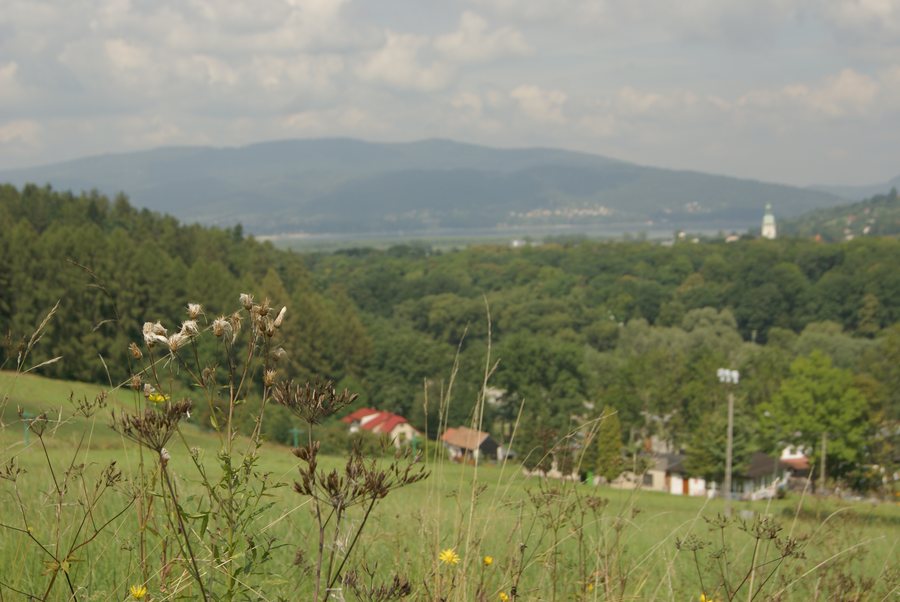 File:Żywiec - widok z Grojca.JPG
Photo: Raszczepanek (Radosław Szczepanek) via Wikimedia Commons, CC BY-SA 4.0
Quick facts about Żywiec
- The Żywiec Brewery Museum opened in 2006 in the brewery’s former lagering cellars, marking the brewery’s 150th anniversary.
- The Muzeum Miejskie w Żywcu features, among other things, historical works of art, a manuscript from 1704 and guild memorabilia. Exhibits may change.
- In 2018, a more than 6 km-long educational trail for pedestrians and cyclists opened along the shore of Lake Żywieckie.
- On the edge of Park Zamkowy is Stajnia Miejska – Mini Zoo, an attraction for the park’s youngest visitors.
What museum experiences does Żywiec offer?
The Żywiec Brewery Museum connects a specific place with the history of the brewery: it opened in 2006, on the brewery’s 150th anniversary, in its former lagering cellars. Visitors can sample beer after their visit. As visitor rules should be checked before travelling, it is a good idea to look up the current arrangements. This makes the museum particularly interesting for travellers who are interested in brewing history and the associated tasting.
At the Muzeum Miejskie w Żywcu, works of art meet records of urban life. Among its most valuable holdings are sacred works from the Kościół Św. Krzyża in Żywiec: the sculpture Święta Anna Samotrzecia, dating from around 1380, and the tempera painting Opłakiwanie, from the mid-15th century. The museum also displays Andrzej Komoniecki’s Dziejopis Żywiecki, dating from 1704. The different dates of creation give your visit several historical points of reference.
The collection of guild memorabilia offers another perspective, with obesłania, seals, books and chests. Historical clothing worn by the citizens of Żywiec is also part of the exhibition. The themes therefore range from sacred art and a dated manuscript to objects from guild life and clothing. If you are interested in a particular exhibit, bear in mind that exhibitions may change.
What do historic rooms and architectural history tell us?
The historic rooms of Stary Zamek feature a 19th-century Biedermeier salon and the study of Karol Stefan Habsburg, dating from the interwar period. The two interiors point to different eras: the salon represents the 19th century, while the study represents the period between the two world wars. This provides a clear comparison across time without reducing the rooms to the same historical period.
A specific commission from 1885 is recorded for Pałac Habsburgów in Żywiec: Archduke Albrecht Fryderyk commissioned Karol Pietschka, architect to the Habsburg family, to remodel and add a storey to the palace. This detail complements the view of the interiors with an architectural history that names the client, architect and date. For a cultural trip, you can therefore consider collection pieces, historic interiors and architectural history as different areas of interest.
What can you plan by the lakeside and in the park?
The educational trail for pedestrians and cyclists runs for more than 6 km along the shore of Lake Żywieckie. It opened in 2018 and can be a focus in its own right if you want to plan around a waterside route rather than museum interiors. Its length and the stated types of users give you a concrete starting point for your plans; no walking or cycling time is specified. Check the current trail conditions before using it.
Another place to visit is on the edge of Park Zamkowy: Stajnia Miejska – Mini Zoo, described as an attraction for the park’s youngest visitors. If you are planning a trip with children, you can consider this alongside the museums and lakeside options. If you are planning a visit specifically for this attraction, it is a good idea to check the current visitor arrangements.
How do you choose a focus for your stay?
The attractions mentioned appeal to different interests. Those particularly interested in history will find works of art, a manuscript, guild memorabilia and historical clothing at the Muzeum Miejskie w Żywcu; the rooms of Stary Zamek and the remodeling commission for Pałac Habsburgów add interiors and architectural history to this perspective. If you would rather explore on foot or by bike, you can make the more than 6 km-long educational trail along Lake Żywieckie the focus of your visit. For families with younger children, the attraction at Park Zamkowy, described as being for the park’s youngest visitors, is another point to consider when planning. This lets you choose Żywiec according to your interests without treating the different experiences as interchangeable.
Discover more destinations: Kocierz Moszczanicki, Bierna, Korbielow, Miedzybrodzie Bialskie, Ujsoly, Nieledwia, Rycerka Górna, Milowka, Tresna, Żabnica, Radziechowy, Czernichów, Żywiec, Złatna, Zwardoń, Lipowa, Bystra, Miedzybrodzie Zywieckie, Lodygowice, Świnna, Krzyżowa, Pietrzykowice, Mutne, Soblówka, Kamesznica, Jeleśnia, Węgierska Górka, Gilowice, Pewel Ślemieńska, Przyłęków, Cisiec, Glinka, Sól, Okrajnik, Koszarawa, Sopotnia Wielka, Łękawica, Ślemień, Wieprz.
FAQ
Can you sample beer after visiting the Żywiec Brewery Museum?
Yes, visitors can sample beer after their museum visit. Check the current visitor arrangements before travelling.
What notable holdings does the Muzeum Miejskie w Żywcu display?
Valuable holdings include the sculpture Święta Anna Samotrzecia, dating from around 1380, and the painting Opłakiwanie, from the mid-15th century. Among other things, the museum also displays a manuscript from 1704 and guild memorabilia; exhibitions may change.
Who is the educational trail along Lake Żywieckie intended for?
The more than 6 km-long trail along the lakeshore, opened in 2018, is intended for pedestrians and cyclists. Check the current conditions before using it.
Go to the regional travel overview: Silesia.

