
Discover Biala Piska
Accommodation in Biala Piska
Biala Piska combines distinctive buildings with a protected urban layout and a 19th-century town park. If you enjoy exploring local history and town views on your trip, the water tower, town hall and churches each offer points of interest. The wider municipality also has year-round opportunities for cycling, hiking and horse riding.
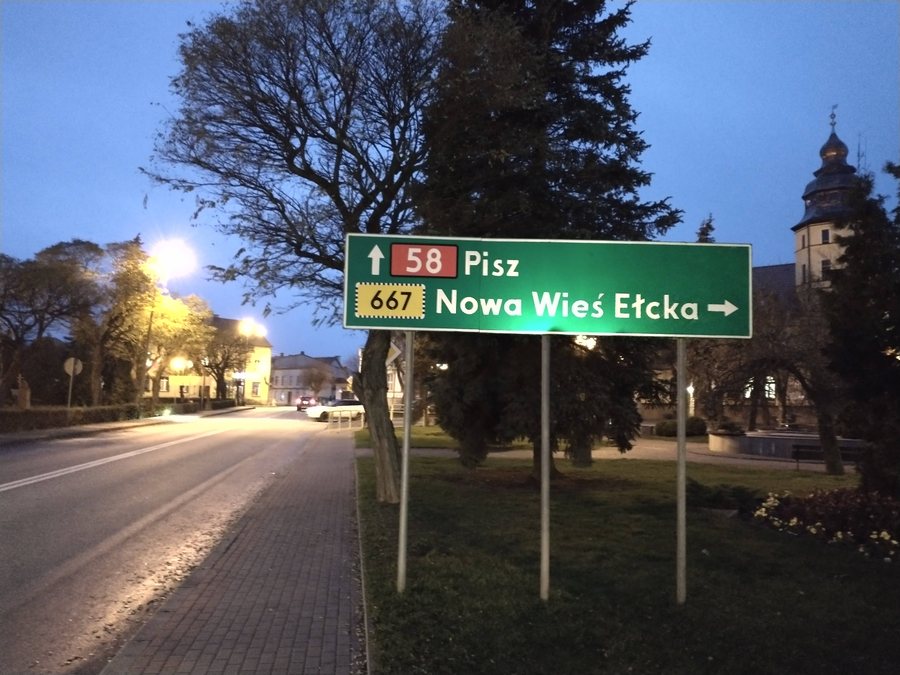
Biala Piska at a glance
- The water tower is a 34-metre-high technical heritage monument dating from 1928.
- The town hall has a 30-metre-high octagonal corner tower; its construction is dated to 1772–1777.
- The protected urban layout includes street frontages and an area by the Biała River and a pond.
- The wider municipality has year-round cycling, hiking and horse-riding routes.
Which buildings define the town?
The water tower is a notable destination for architecture and culture enthusiasts. This technical heritage monument dates from 1928 and is 34 metres high. The tower serves as a tourist attraction, and visitors can see changing exhibitions inside. From there, you can enjoy a sweeping view across the town. Biala Piska is also known as the “Town of Three Towers”, and visitors are especially encouraged to see these towers.
The town hall also makes a striking impression on the townscape: its octagonal corner tower is 30 metres high. The building’s construction is dated to 1772–1777. The town hall is located at Plac Mickiewicza 25. Anyone interested in the development of historic town centres can consider these details alongside the protected urban layout, without reducing the different buildings to a single period.
St Andrew Bobola Church was built between 1756 and 1763. The Baroque church in Biala Piska has a 17th-century high altar; its bell tower was added in 1932. The tower’s design is attributed to K. F. Schlink. A commemorative plaque in front of the Baroque church also honours miners from the Wujek mine who lost their lives at the beginning of martial law.
What does the urban layout tell us about Biala Piska?
An area of the protected urban layout is bounded to the southeast by the Biała River and a pond. To the northwest, the building frontage along Żeromskiego Street forms the boundary; Warszawska Street marks it to the north and Ogrodowa Street to the south. These precisely identified boundaries make the urban layout a subject in its own right for visitors who want to notice not only individual buildings but also the spatial form of the town.
The townscape also includes a 19th-century town park. Along with the buildings, it offers a different perspective on the town from the architectural details: here, open space and the park’s historic design take centre stage, while the water tower, town hall and church are characterised by their forms and dates.
What history and experiences can you explore?
Biala Piska was known for large cattle markets associated with its location on a trade route. This gives the town a connection to trade and regional exchange as well as its architectural history. Another historical theme can be found at the war cemetery on Konopnicka Street. It contains the graves of Russian soldiers from the First World War and Soviet soldiers from 1945.
The cemetery’s monuments visibly distinguish the memorial sites: one depicts a hammer and sickle and bears an inscription stating that Soviet soldiers fell there in 1945. A second monument bears an Orthodox cross and is dedicated to Russian soldiers who fell in the First World War. Those exploring the town’s history will find two distinct commemorative references here, each tied to the groups and periods mentioned.
The railway station ensemble is another historic feature of the town. The station building dates from around the turn of the 20th century; the site also includes the area on Kolejowa Street. For culture enthusiasts, looking at buildings like these complements a visit to the better-known towers.
What else is there to do in the municipality?
In the wider municipality, the historic Ułański Trail passes bunkers from the Second World War. There are also year-round opportunities to use cycling, hiking and horse-riding routes. These activities extend the experience beyond the town itself; depending on your interests, they offer another reason to explore routes through the municipality during your stay.
One time-specific example of cultural life was the Powiatowe Dożynki, held in Biala Piska in 2025. The programme at the time included a thanksgiving service for the harvest, the blessing of harvest crowns, a harvest procession and performances by folk groups from Lithuania, Rozogi and Ełk. The programme describes the 2025 event and gives an insight into its harvest and folk traditions.
To compare other town pages, you can also visit Orzysz, Pianki, Okartowo, Niedzwiedzi Rog, Pogobie Średnie, Krzyże, Klusy and Nowe Guty.
FAQ
What is special about the water tower?
The water tower is a technical heritage monument dating from 1928 and is 34 metres high. Visitors can see changing exhibitions inside, and the tower offers a sweeping view across the town.
When was the town hall built?
The town hall’s construction is dated to 1772–1777. Its octagonal corner tower is 30 metres high.
What routes are there in the wider municipality?
There are year-round opportunities to use cycling, hiking and horse-riding routes. The historic Ułański Trail passes bunkers from the Second World War.
What took place at the Powiatowe Dożynki in 2025?
The programme included a thanksgiving service for the harvest, the blessing of harvest crowns, a harvest procession and performances by folk groups from Lithuania, Rozogi and Ełk.
For the overview of the wider region, see: Piski.

