
Discover Stare Czarnowo
Accommodation in Stare Czarnowo
An early mention of its name, its connection to a monastery, market rights and the history of the church give Stare Czarnowo a distinctly historical character. These milestones span several centuries and offer culture enthusiasts a concrete way to place the town in its historical context.
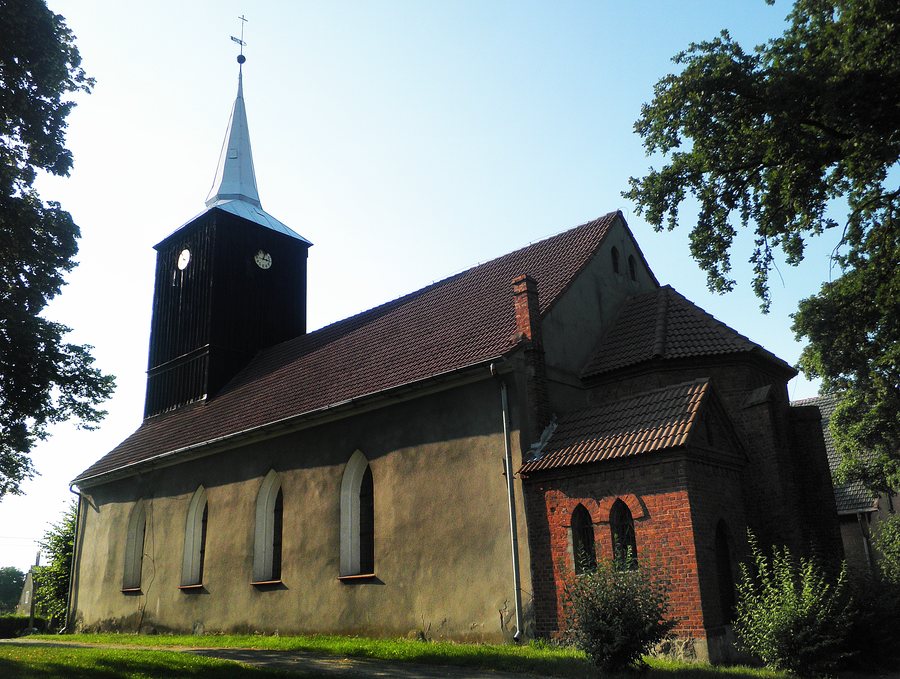 File:Kościół MB Wspomożenia Wiernych w Starym Czarnowie 01.jpg
Photo: Herooine92 via Wikimedia Commons, CC BY-SA 3.0 pl
Key facts about Stare Czarnowo
Stare Czarnowo was first mentioned under the name Cirnowe in a document dated 1179–1181. In 1226, Duke Barnim gave the town to the Cistercians of Kołbacz. Before 1326, they converted Stare Czarnowo into a monastic grange, or monastic estate. Around the middle of the 13th century, the town received market rights; by the 13th century at the latest, it was a parish village. The first church was built at the end of the 12th century.
What do the early dates mean?
The early dates refer to different events. The document containing the name Cirnowe is dated to 1179–1181; 1226 marks a specific gift by Duke Barnim to the Cistercians of Kołbacz. This distinguishes the first mention of the name from the later gift, without conflating the two episodes into a single founding story.
Before 1326, the Cistercians converted Stare Czarnowo into a monastic grange. The term refers to a monastic estate. Together with the gift, it speaks to the town’s connection to the monastery; it is also distinct from the market rights Stare Czarnowo received around the middle of the 13th century.
What do the market rights and church construction tell us?
Stare Czarnowo received market rights, in Latin forum liberum, around the middle of the 13th century. Historically, a fair was held there under these rights. It began on 11 November; if that date fell on a Saturday or Sunday, the fair began the following Monday. This fixed calendar rule is a specific detail of the town’s market history. By the 13th century at the latest, Stare Czarnowo was also a parish village.
The first church was built in the southern part of the village at the end of the 12th century. In 1531, the church was destroyed by fire and rebuilt in the 16th century. The church’s timeline thus stretches from its early construction to its later destruction and reconstruction. The initial construction and the rebuilding were two separate events.
What perspectives does the town’s history offer?
The church’s history extends from the first church to its rebuilding in the 16th century; the market’s history links market rights with the precisely specified start of the historic fair. This comparison shows two different ways of approaching the past: the church’s history can be explored through construction, fire and rebuilding, while the market’s can be viewed through rights and dates. If you are interested in cultural history, you can use these different themes and periods to place Stare Czarnowo in its historical context.
Discover more destinations: Widuchowa, Moryń, Steklno, Nawodna, Binowo, Kołbacz, Wełtyń and Nowe Czarnowo.
FAQ
What was Stare Czarnowo first called in historical records?
The town was mentioned under the name Cirnowe. The document in question is dated to 1179–1181.
What does “grange” mean?
A grange was a monastic estate. Before 1326, the Cistercians converted Stare Czarnowo into one.
When did the historic fair begin?
Historically, it began on 11 November. If that date fell on a Saturday or Sunday, it began the following Monday.
To the regional travel overview: Gryfino.

