
Discover Stramnica: Village History and Nature
Accommodation in Stramnica
Preserved 19th-century buildings shape Stramnica’s local history. Nearby are a section of wood-rush beech forest and a field path between Stramnica and Kądzielno, described in 2017 as an appealing walking or cycling route. For broader context, look to the wider travel destination of Kołobrzeg.
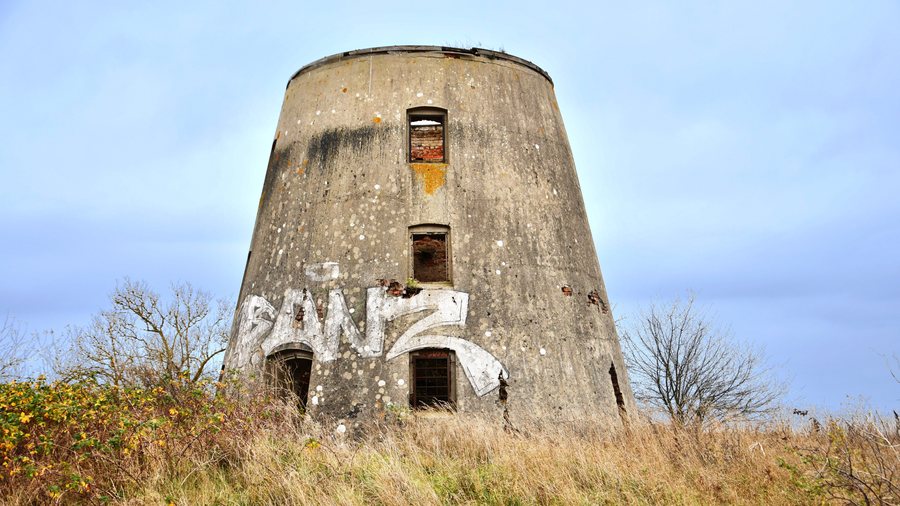
Stramnica at a glance
- Cottage No. 1 and Cottage No. 37 date from the mid-19th century.
- A barn and an outbuilding, Nos. 2 and 4, date from the first half of the 19th century and have been preserved.
- Stramnica is home to an Evangelical cemetery dating from the mid-19th century.
- Between Stramnica and Kądzielno lies the municipality’s only surviving section of wood-rush beech forest.
What does the historic building stock tell us?
The buildings date from two periods in the 19th century: the barn and outbuilding date from its first half, while the two cottages date from the middle of the century. This makes it possible to explore the village’s history through different types of buildings rather than focusing on a single structure. A cottage is a dwelling; the barn and outbuilding represent other functions of the village’s building stock. The Evangelical cemetery from the middle of the century provides a distinct historical feature.
For travellers interested in rural architectural history, both the buildings’ functions and their dates are illuminating. These buildings and the cemetery offer different ways to understand Stramnica as a place with preserved evidence of the 19th century.
Where can you find nature and outdoor activities nearby?
The section of wood-rush beech forest lies between Kądzielno and Stramnica and is the municipality’s only surviving section of this forest type. The term refers to a particular type of beech forest; its location between the two villages makes it a specific point of interest in Stramnica’s surroundings.
A field path between the same villages was described in 2017 as an appealing walking or cycling route. If you plan to use it for an outing, check its current condition beforehand. This keeps the walking and cycling option distinct from the longer-term information about the landscape.
What themes shape the wider travel destination of Kołobrzeg?
In the wider travel destination of Kołobrzeg, the landscape ranges from coastal dunes to peat bogs and pine forests, as well as meadows, salt marshes and river valleys. More than 700 species of vascular plants have been recorded in the Kołobrzeg Municipality, including many protected species. Sphagnum mosses and marsh vegetation grow in the raised bogs around Dźwirzyno and Grzybowo; insectivorous plants also occur there. These features offer a different perspective on nature in the region than the single forest section between Stramnica and Kądzielno.
There are also different scales of outdoor activity: three Nordic walking routes of varying difficulty run along the beaches and through the coastal forest in Grzybowo and Dźwirzyno. The 55 km Wokół Jeziora Resko route runs mostly through the Kołobrzeg Municipality and also into the neighbouring Trzebiatów Municipality. The routes differ in activity and stated difficulty; the total length is also given for the cycling route.
If you are looking for hotels, you can start by choosing your trip according to the themes that interest you: Stramnica offers village history and nature nearby; the wider travel destination of Kołobrzeg adds the coast, wetlands and outdoor activities. Discover more destinations: Gościno, Dygowo, Grzybowo, Rymań, Siemyśl, Dźwirzyno, Stary Borek, Kołobrzeg.
FAQ
What facilities are available at Dźwirzyno Beach?
During the bathing season, there are lifeguarded beach areas, food stalls, changing rooms and toilets. Some access points are adapted for pushchairs and people with reduced mobility. The beach is wide and sandy, bordered by dunes and pine forest, and is suitable for walks and relaxing in the shade.
Which historic buildings are in the wider travel destination of Kołobrzeg?
The hunting palace in Budzistowo was built around the turn of the 20th century in the eclectic style. Korzystno has a Neo-Gothic church dating from 1866; the former churchyard cemetery was established the same year and is surrounded by a distinctive brick wall. The Neo-Gothic Church of the Exaltation of the Holy Cross in Karcino dates from 1869.
How should Dźwirzyno harbour be described?
The harbour was once a fishing port and is now a fishing and tourism harbour. It is suitable for coastal sailing, fishing trips and sea excursions in small boats.
For the wider travel overview: Kołobrzeg.

