
Szczecin between Culture and Nature
Accommodation in Szczecin
Szczecin combines museums and theatres with parks, viewpoints and waterside routes. When planning your trip, you can choose between culture, city walks and excursions into nature.
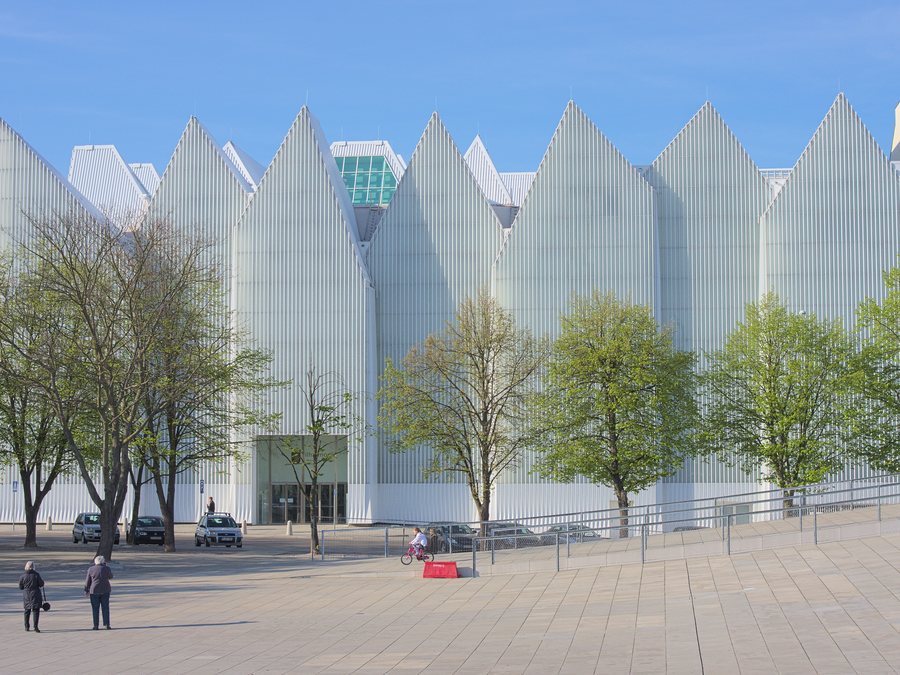 File:Szczecin Philharmonic Hall 3304 (cropped).jpg
Photo: DrKssn via Wikimedia Commons, CC BY-SA 3.0
Szczecin at a glance
The city route is 7 kilometres long, connects 42 attractions, and starts and ends in front of the main railway station. The Central Cemetery covers 172.33 hectares and is Poland’s largest cemetery and Europe’s third largest. In the northwest of the city lies the approximately 350-hectare Głębokie Forest Park, with Lake Głębokie.
Which cultural attractions define Szczecin?
The National Museum in Szczecin cares for more than 150,000 objects spanning art, archaeology, maritime history, ethnography and numismatics. Pomeranian and Baltic subjects are particularly prominent. This gives your museum visit a regional perspective, complemented by the diversity of its collections.
The Museum of Technology and Transport is housed in a historic tram depot dating from 1912. It is one of Poland’s largest technical museums and displays trams, buses, cars, motorcycles, bicycles and other technical objects. Its connection to the former depot and its variety of vehicles bring architectural history together with the history of technology.
The Pomeranian Dukes’ Castle also makes a striking impression: the Renaissance castle stands on a hill near the Oder and houses galleries, a cinema and a theatre. It also offers cultural and educational activities. The Mieczysław Karłowicz Philharmonic is considered a contemporary architectural icon, thanks to its new building. Tours last about 60 minutes and include the foyer, the chamber and symphony halls, the fourth-floor gallery and the gift shop. They take place regularly on selected Fridays; dates may change.
For stage performances, Opera na Zamku offers opera, operetta, ballet, musicals, concerts and outdoor events; there are also performances for children and guided tours. The Maritime Science Centre on Łasztownia adds to the cultural offerings with a permanent exhibition of interactive science and technology exhibits. Fabryka Wody includes an Edukatorium on the subject of water, connected to a laboratory.
Which routes and green spaces can you include in your plans?
The city route offers a clearly defined urban walk: over 7 kilometres, it connects 42 attractions and places of interest; the start and finish are in front of Szczecin’s main railway station. The Golden Route takes a different approach. It begins at the Pomeranian Dukes’ Castle and leads through city parks and forests to the heart of the forest. Both routes offer orientation, but pass through different parts of the city and its surrounding area.
For a shorter break in nature, consider Jasne Błonia, where you can walk or cycle. Kasprowicza Park is the largest park in Szczecin. If you want to experience both lake and forest, Głębokie Forest Park has a walking and cycling path around the lake. The park covers about 350 hectares and includes Lake Głębokie.
On the banks of the Oder, Wały Chrobrego offers a different view of the cityscape. The promenade is 500 metres long and lies 19 metres above the level of the Oder riverbank; from there, the view stretches across the river and the harbour. You can also combine culture and scenery on a historic walk through the Central Cemetery, which passes through its oldest section. Check local conditions before your visit.
If you are planning a longer bike ride, the suggested “Jez. Głębokie – Oder” route is 16 kilometres long. Check route conditions and signage before setting off. The “Szczecin – Harbour City on the Oder” route starts near the Chamber of Fiscal Administration and is accessible by public transport, at the Celna stop. Transport and access information may change; check it before travelling.
Which experiences fit your travel plans?
The choices range from architecture and collections to forest and waterside routes. When choosing a hotel, you might first consider whether your days will focus more on culture and stage performances or on walks and cycling routes.
You can also plan to try a local speciality: Paprykarz szczeciński is available to sample, among other places, at Spiżarnia Szczecińska, pl. Hołdu Pruskiego 8. Check in advance whether it is available when you visit. As part of recurring summer programmes, Różany Ogród Sztuki has hosted concerts, dance events and workshops on Saturdays and Sundays. If you are interested in these events, check the current dates before travelling.
Discover more destinations: Szczecin, Nowe Gonne, Pogodno, Dziki, Malechowo, Gwda Wielka, Gollnow.
FAQ
How long is the city route in Szczecin?
The route is 7 kilometres long, connects 42 attractions, and starts and ends in front of Szczecin’s main railway station.
What can you see at the Museum of Technology and Transport?
Exhibits include trams, buses, cars, motorcycles, bicycles and other technical objects. The museum is housed in a historic tram depot dating from 1912.
What routes are there around Lake Głębokie?
A path for walking and cycling runs around the lake. The suggested “Jez. Głębokie – Oder” cycling route is 16 kilometres long; check route conditions and signage in advance.
For the broader travel overview: West Pomerania.

