
Comănești: Palace, Nature and Paths along the Trotuș
Accommodation in Comăneşti
Comănești begins with a precise history: the Ghica-Comănești Palace is a historic monument. It was built in 1890 in the style of late Baroque and Eclecticism by Italian craftsmen under the direction of the architect Albert Galleron for Dimitrie Ghika. The precise dating and the named styles give the cultural introduction a clear chronological and architectural outline.
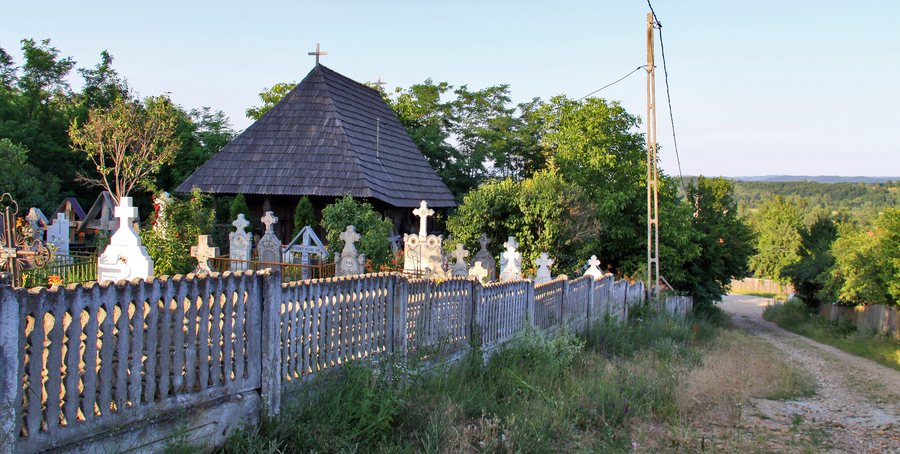 File:Comanesti Bita GJ.bislemn.din ulita.jpg
Photo: Alexandru Baboş Albabos via Wikimedia Commons, CC BY-SA 3.0
File:Comanesti Bita GJ.bislemn.din ulita.jpg
Photo: Alexandru Baboş Albabos via Wikimedia Commons, CC BY-SA 3.0
Culture
The “Urșilor” Festival of Comănești takes place annually as a cultural winter event in the town of Comănești in Bacău County.
The festival of traditional customs and practices in Comănești includes the Bear Parade; groups from several regions of Moldova also participate.
The archaeological site “Situl arheologic de la Vermeşti – Cetăţuia” in Oraş Comăneşti includes a settlement of the Eneolithic Cucuteni B culture.
The cultural content can initially be considered separately for your own selection: architectural history, traditional customs and archaeology each provide different focal points. This is helpful if you want to weigh several interests alongside one another when choosing a destination. Those who organise the listed attractions can distinguish between a historic monument, an archaeological settlement, a winter event, and nature, riverside, hiking and cycling routes. These categories indicate different focal points without combining them into a single experience. For day planning, cultural visits and routes can be considered as separate topics alongside one another.
Nature and Routes
The Galion-Lapoș tourist zone is one of the most important mountain tourism attractions in Comănești.
The Trotuș recreation centre on the banks of the Trotuș River is considered the most important recreational tourism attraction in Comănești.
The Șupan stream is among the protected nature reserves. It is a stratotype for the Sarmatian-type Șupan Formation, covers 0.10 ha and is of palaeontological interest.
The developed circular route Faleză – Pod Șupan – Goanța – Pasarelă pietonală is one of the most important mountain tourism attractions in Comănești.
The mountain hiking route Comănești – Galion – Lapoș – Valea Uzului is a mountain tourism route connected with Comănești.
The cycling route Centru – Faleză – Galion – Podei – Podine – Lunca de Jos – Centru is connected with Comănești.
The developed riverside promenade along the Trotuș River is part of Comănești’s recreational tourism offerings.
You can compare the various route and riverside formats for personal planning according to the form of movement and connection to the landscape. The route names list several points in sequence and make the order of the places mentioned comprehensible. Where interests differ, this organisation helps you first assess cultural sites, nature-related content and active route offerings separately.
Getting There
Comănești railway station is located on the Ciceu–Adjud railway line, which connects Transylvania with Moldavia.
In addition to the cultural and landscape-related topics, the railway connection is also a separate planning consideration.
When booking a hotel in Comănești, travel dates, room category and cancellation conditions can form the personal framework for your choice. The three details make different offers comparable without limiting the stay to a particular type of accommodation or a specific travel itinerary.
Other destinations
Other linked destinations in the travel overview are Onești, Hemeiuș, Ghimeș-Făget, Agăș, Letea Veche, Horgești, Târgu Ocna and Tescani.
For the overarching travel overview: Bacau.

