
Săliște – Churches, Landscape and Local History
Accommodation in Sălişte
The Orthodox church in Săliște was built in 1928. Together with the Reformed church and the documented historical place names, it shows how the locality can be understood through its buildings and language. This gives visitors two different perspectives: the churches point to local history, while the name forms provide a chronological approach to Săliște.
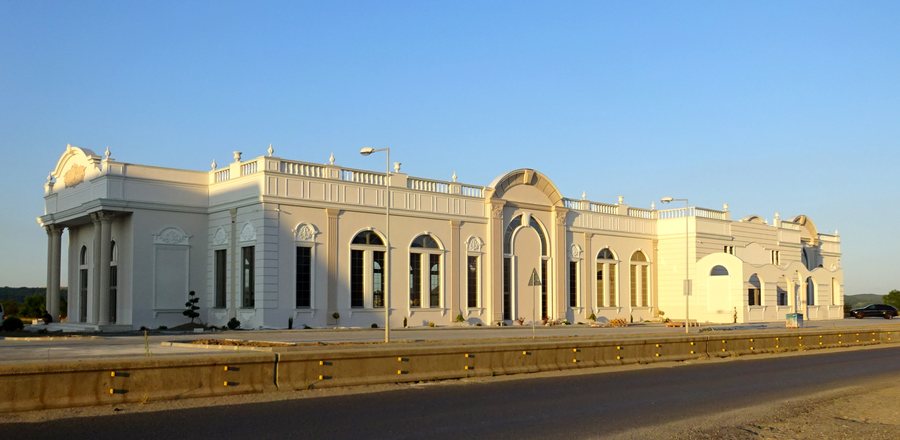
Culture
The Reformed church in Săliște was renovated; previously, water frequently seeped into it when it rained. The windows and doors of the church were replaced, and the entire roof was also renewed. Its surroundings consist of a large orchard and hay barns. The Reformed congregation of Kövesegyháza includes Calvinists from Săliște, Tataros, Varasău and Derna. Thus, the same building brings together structural changes, its immediate surroundings and connections to several localities.
History
The Hungarian name of Săliște is Kövesegyháza. For the year 1490, the place name is documented as Kewesdeghaza. The present-day and historical forms of the name belong to different periods: Kövesegyháza denotes the Hungarian name, while Kewesdeghaza reproduces the spelling documented for 1490. Both forms make the local history tangible through their linguistic development as well.
Nature
In 1851, Săliște was considered a village in a valley surrounded by hills. The commune of Spinuș encompasses the northern and northwestern part of the Ghepeș depression, parts of the western Dealurile Dernei and the eastern part of the Dealurile Oradiei. The Ghepeș Valley runs through the commune of Spinuș. A stone bridge was built over the Gyepes in 2009. For geographical orientation, the valley, depression, hills and the named parts of the commune are therefore not interchangeable: they describe different geographical levels around Săliște.
The ecclesiastical and historical references can be connected with the landscape information without conflating their different subjects. Those who view Săliște primarily through its churches will find specific references to buildings and congregations; those who situate the surrounding area can keep the Ghepeș depression, the valley, the Gyepes and the adjoining landscape areas separate in view. This keeps the cultural and geographical information clear for your own travel planning.
Further historical references
Electric lighting was introduced in all buildings in the commune of Hagymádfalva. This municipal reference belongs to a different geographical level than the Reformed congregation of Kövesegyháza and the landscape of the commune of Spinuș. Together with the place names, churches and bodies of water, it adds to the picture of the various historical and geographical connections associated with Săliște.
When planning accommodation in Săliște, you can compare a hotel based on travel dates, room category and cancellation conditions. This information helps you consider the organizational side separately from the information about churches, place names and landscape, without reducing the cultural or geographical character of the locality to accommodation.
Further locality pages
Almașu Mic, Margarethen, Gepiu, Biharia, Auşeu, Oradea, Finiș, Călățea
For the higher-level travel overview: Bihor.

.jpg)