
Gârbău amid Roman traces and regional landscapes
Accommodation in Gârbău
Gârbău combines historical remains with a landscape that extends from the village into the wider regional surroundings. The commune lies in the southwestern part of the Dealurile Clujului, along the Nadăș River. For your travel planning, the main consideration is therefore whether you want to focus your stay on the local history or also include destinations in the surrounding area.
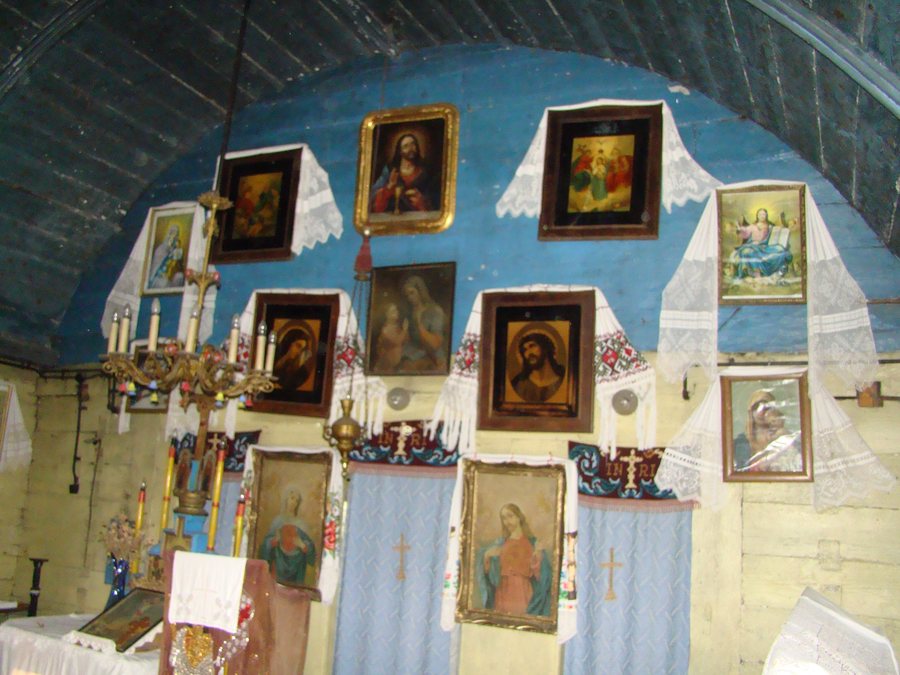 File:Biserica de lemn din Gârbău (14).jpg
Photo: Țetcu Mircea Rareș via Wikimedia Commons, CC BY-SA 4.0
File:Biserica de lemn din Gârbău (14).jpg
Photo: Țetcu Mircea Rareș via Wikimedia Commons, CC BY-SA 4.0
The historical and tourist attractions of Gârbău include the Laszay Manor, dating from 1791. This gives the village a specific landmark from the 18th century alongside older traces and ecclesiastical buildings.
What historical traces can you find in Gârbău?
A fragment of an old baptistery from the 15th century marks, on a hill in Gârbău, the site where a Hungarian church stood in the Middle Ages. The find links a visible architectural remnant with the medieval history of the village. If you are interested in regional culture, this evidence offers a specific way to view Gârbău not only as a landscape destination but also as a historically developed place.
Another trace is located on Dealul Boboara. Remains of an advanced observation post were found there; its affiliation with the Roman fort at Gilău has not been conclusively established. The fort was subordinate to the city of Napoca.
Roman ruins with inscriptions were also found in the centre of Gârbău, specifically in the gardens of two residents. The Roman past is thus evident at several locations in the village, without this implying any particular sightseeing opportunity or accessible tour.
Which churches and historic buildings are located in the surrounding area?
The wooden church in Gârbău dates from the 19th century. Its age places it in a different period from the 15th-century baptistery fragment or the Laszay Manor from 1791.
The Leszay Manor in Gârbău is one of the village’s historic monuments. The spellings “Leszay” and “Laszay” differ only slightly.
The Biserica Nădăşelu church is located in the vicinity of Gârbău. The surrounding area also includes the Biserica Reformată Mera Reformed Church and the Biserica Reformată Suceagu Reformed Church. These destinations broaden the cultural perspective beyond the village centre. If you would like to combine churches, historic architecture and regional differences, you can therefore regard Gârbău as a starting point for a broader thematic exploration of the surrounding area, without assuming any particular order or accessibility.
What landscapes are located around Gârbău?
The landscape landmarks around Gârbău include the Dealul Băneasa hill. The Dealul Nucului hill is also located in the surrounding area.
The wider regional surroundings of Gârbău include Faţa Lunei Mountain and the Vârful Peana peak. The Mânăstirea Floreşti monastery is also located in this wider regional area.
How can you assess the accommodation best suited to your plans?
When choosing a hotel or other accommodation in Gârbău, your interests may be decisive. If you mainly want to explore the historical remains in the village, the local history will be the priority. If you also include churches in the surrounding area, hills and destinations in the wider regional surroundings, your geographical planning will be more extensive. The different names and distance ranges make it sensible to decide before booking which topics are actually important to you and your travel group.
For comparison with another destination, you can also visit Viştea.
FAQ
Which railway line is connected to Gârbău?
Gârbău has a railway station on the Cluj-Napoca–Oradea line via Mera, Huedin, Ciucea, Negreni, Bratca, Șuncuiuș, Peștera and Vadu Crișului.
Is the wooden church in Gârbău still used for services?
The wooden church in Gârbău is no longer used for services.
What happened to Gârbăul Unguresc in 1718?
In 1718, Lészay István received Gârbăul Unguresc, together with three other villages, from the Jesuits of Cluj as part of a mortgage arrangement.
For the higher-level travel overview: Comuna Gârbău.

.jpg)