
Ialomita: Hotels and accommodations
Accommodation in Ialomita
Geographical location
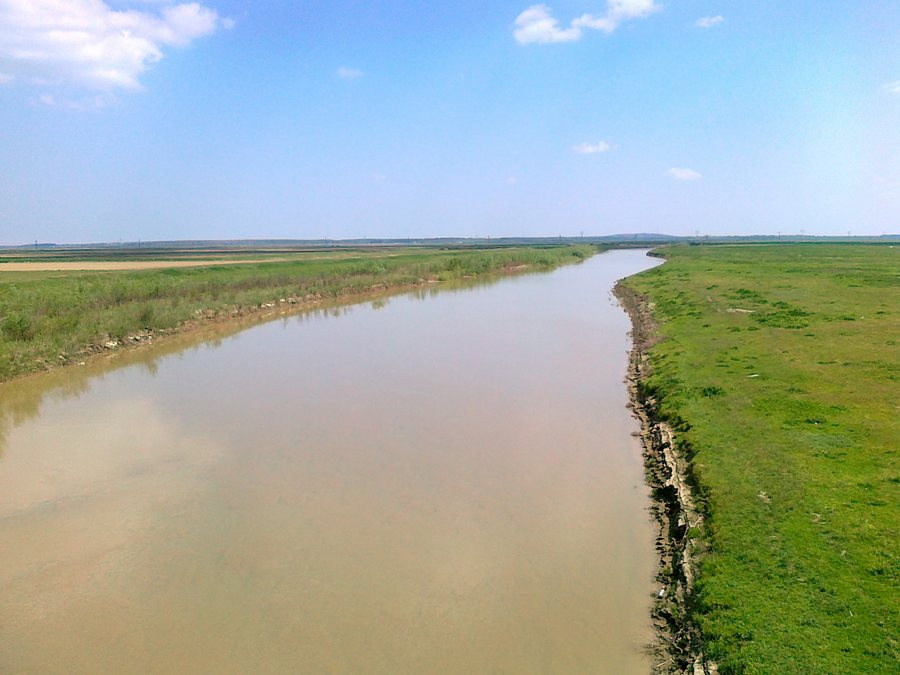
The landscape of Ialomița County lies in the eastern part of the Romanian Plain, the Bărăgan, and is characterized by extensive tablelands and floodplains. At the same time, Ialomița lies at the intersection of ancient and important trade routes that connected Romania’s capital with Moldavia and the Black Sea coast.
Lakes and nature
Lacul Amara is a natural former river lake of approximately 130 hectares, separated by deposited alluvial material, and a protected avifaunistic nature reserve. It is home to numerous protected bird species, including the little egret, grey heron, white stork and mute swan. Lacul Amara offers balneological recreation based on its therapeutic lake water and sapropelic mud. The area around Lacul Amara can be reached from Slobozia via DN2C.
Lacul Fundata is a 510-hectare protected lake that has been included in the Natura 2000 programme. In spring, it serves as a resting place for rare and very rare migratory birds.
Lacul Jilavele is used for sport fishing, irrigation and fish farming.
Culture and history
The Muzeul Județean Ialomița preserves around 25,000 objects belonging to the national cultural heritage of Ialomița County. Its collections cover archaeology, history, ethnography, art, as well as the “Nicolae and Zamfira Tuzlaru” collection.
The Casa Memorială Ionel Perlea contains around 800 objects, including musical instruments, records, sheet music, photographs, letters and antique furniture. Since 1992, the National Festival and Competition for Song Interpretation “Ionel Perlea” has been held there every year in early May in Ograda, with renowned Romanian and foreign musicians taking part.
The Getic dava of Piscul Crăsani is located on a high terrace of the Ialomița River. The archaeological materials recovered at Piscul Crăsani illustrate the diversity of activities carried out by its inhabitants.
Mănăstirea Sfinții Voievozi is considered the oldest monastery still preserved in the east of Muntenia and dates back to the second decade of the 17th century. Mănăstirea Crasani is located on the Ialomița River; it is a convent with communal monastic life and has a wooden church built at the end of 2000.
In Pisc, zoomorphic and anthropomorphic pottery is known alongside utilitarian ceramics; the Pisc figures continue the Neolithic funerary ritual tradition.
Regional traditions and music
La Casa Tudorii is a festival and competition celebrating Ialomița’s culinary tradition, intended to discover typical local recipes and promote regional cuisine. At La Casa Tudorii, the public can admire the variety of culinary products presented before an expert jury. La Casa Tudorii also includes folk performances by the “Doina Bărăganului” ensemble, as well as by singers, instrumentalists, vocal groups, folk dance ensembles and folklore groups from Ialomița County.
When planning a trip to Ialomița, some visitors are primarily interested in booking a hotel.
More entries: Țăndărei, Ion Roata, Alexeni, Maia, Urziceni, Amara, Slobozia, Slobozia.
To the main travel overview: Romania.

