
Pojorâta: Monasteries, Mountain Trails and the Rarău Rocks
Accommodation in Pojorâta
The Orthodox Church of Sf. Nicolae in Pojorâta has seven towers and was built in 1901.
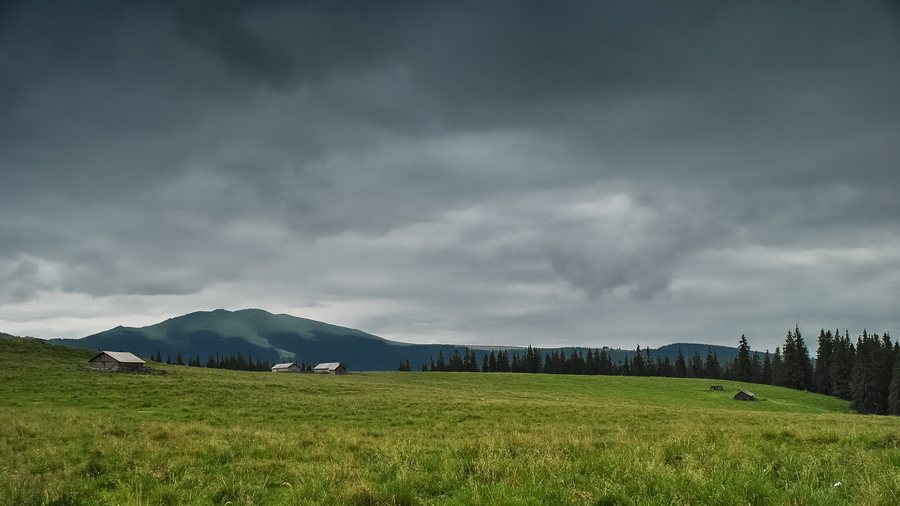 File:Comuna Pojorâta, Romania - panoramio (1).jpg
Photo: Mihai Burlacu via Wikimedia Commons, CC BY-SA 3.0
File:Comuna Pojorâta, Romania - panoramio (1).jpg
Photo: Mihai Burlacu via Wikimedia Commons, CC BY-SA 3.0
Culture
In Suceava County, the Sfântul Ioan Iacob Corlăţeni Monastery is located in Pojorâta. Pojorâta Monastery is dedicated to the Holy Trinity and Saint Ioan Iacob and was re-established as a monastery on 15 June 1990. A religious service is held daily at the Sfântul Ioan Iacob Corlățeni Monastery.
The church and monasteries offer different perspectives on religious architecture, naming and practice. The sacred sites can be considered separate thematic focal points within a stay in Pojorâta.
The various names and dedications make it clear that the religious sites cannot be reduced to a single feature. The local context includes both the church’s architectural distinctiveness and the named traditions and daily service at the monastery.
History
Pojorâta’s historical identity is linked to sentry posts along the North Moldavian Route, which connected Suceava with Bistrița in Transylvania. The Cheile Pojorîtei were considered a suitable location for guarding this route. This historical connection places Pojorâta within the regional road network.
This historical topic therefore focuses on the route connection and its guarding function. The North Moldavian Route refers to the long-distance connection, while the Cheile Pojorîtei are linked to the position considered suitable for securing this route.
Nature
The Pietrele Doamnei rock formations in the Rarău Massif are located in the vicinity of Pojorâta at an elevation of 1,634 m; they were declared a natural monument in 1955. Their elevation, landscape form and protected status provide this natural site with a clear spatial and temporal context.
The information about Pietrele Doamnei thus combines three distinct levels: the rock formation as a landscape feature, the Rarău Massif as its spatial context, and the elevation as a specific point of reference. The natural monument status adds a protection designation defined in time to this description.
Trails and Activities
Mountain Bike Route 6 starts in the commune of Pojorâta on a forest road and has an elevation gain of 820 metres. The road from the centre of Pojorâta to the foot of Rarău is 15 km long. For planning purposes, a designated route and a specific road connection already differ in their respective forms.
The two details therefore describe different forms of movement: a mountain bike route with a specified elevation gain and a road connection between the centre and the foot of Rarău. The route type, elevation profile and road length can be considered separately without combining the two details into a single route.
The private ski area at Pasul Mestecăniș is located in the commune of Pojorâta. In Pojorâta, it is also possible to hike on Muncel Mountain and on the Adam and Eva mountains. The Via Transilvanica runs through Bucovina and over the Obcinele Bucovinei to Pasul Mestecăniș in the commune of Pojorâta.
The mountain bike route, hikes, ski area and Via Transilvanica thus represent different activity options that can be compared according to interests and available time.
For a hotel in Pojorâta, travel dates, room category and cancellation conditions can be considered alongside the local information about Rarău and the Via Transilvanica. This keeps the accommodation framework separate from the town’s different cultural, historical and landscape-related topics.
Other places: Crucea, Fălticeni, Şaru Dornei, Fundu Moldovei, Gura Humorului, Suceava, Dărmăneşti, Dealu Floreni
For the broader travel overview: Suceava.

.jpg)