
Discover Dărmăneşti: Wooden Churches, Rivers and Hilly Landscapes
Accommodation in Dărmăneşti
Dărmănești combines wooden churches with river landscapes and a landscape of elongated hills.
The landscape of Dărmănești consists predominantly of elongated hills belonging to the Dragomirna Massif. The area features diverse vegetation from montane, steppe, forest-steppe and floodplain habitats. The river landscapes of the Hatnuța and Suceava complement the hilly landscape with waterside and floodplain areas.
What historic buildings are there in Dărmănești?
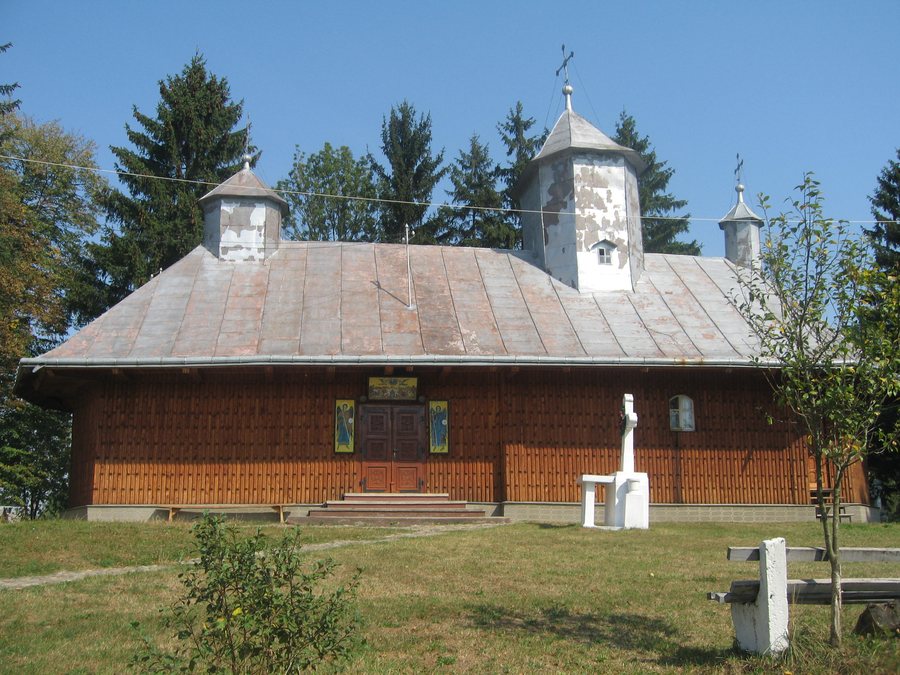
The wooden church in Dărmănești was built at the end of the 18th century on land belonging to the Tarnoviețchi family.
The wooden church in Călinești-Enache was built at the end of the 18th century within the municipality of Dărmănești. The wooden church in Măriței was built between 1897 and 1900.
Chronologically, the churches in Dărmănești and Călinești-Enache both date from the end of the 18th century, while the church in Măriței was built between 1897 and 1900.
A museum point is located in the Dărmănești municipal library.
What traces has Dărmănești left in local history?
Dărmănești is mentioned in a document dated 10 April 1430 and in another document from 1499. The village of Dărmănești at that time was also known as Hreţca and Sârbi; by 7 January 1403, it had been donated to the Diocese of Suceava.
Some houses in Dărmănești feature geometric or floral decorations on their exteriors.
What is the landscape around the village like?
A stop on Dealul Mare offers a view of Dărmănești and the Suceava Valley. Other destinations include Moldova-Sulița, Dragomirna Monastery, Dealu Floreni, Frumosu, Crucea, Pârteștii de Sus, Poiana Negrii and Vatra Dornei.
What leisure activities are available?
A walk through the nearby forest is considered a leisure activity.
A bicycle tour below the Suceava floodplain is also considered a leisure activity. Local initiatives offered interested visitors flights with a powered hang glider, a powered paraglider or a paraglider. The walk and the bicycle tour therefore refer to two different landscapes: the nearby forest and the area below the Suceava floodplain.
What role does railway history play?
Hatna railway station was established with the railway line opened in 1869, which ran from Cernăuți via Hatna and Ițcani (Suceava) to Roman. The railway line was later extended to Vatra Dornei; the official inauguration of this extension took place in 1902.
FAQ
How long is the Hatnuța stream?
The Hatnuța stream is 19 kilometers long in total. Of this, 14 kilometers pass through the municipality of Dărmănești. It rises in the municipality of Calafindești.
How far does the lower course of the Suceava extend through Dărmănești?
The lower course of the Suceava River extends for approximately 8 kilometers through the territory of Dărmănești. This figure is expressly intended as an approximate length.
Which animals occur in the natural areas?
Foxes, wild boar and roe deer occur in the various natural areas of Dărmănești.
Which fish and waterbirds are found there?
Ducks as well as carp, pike, crucian carp and perch occur in the pond areas. Chub and nase are found in the Suceava River.
To the main travel overview: Suceava.

