
Letea in the Danube Delta
Accommodation in Letea
The Letea Forest lies on the Letea sand ridge at the edge of the traditional fishing village of the same name.
Nature
Near Letea lies the Letea Forest nature park, designated and protected as a natural monument. The Letea Forest is surrounded by sand dunes. Despite the non-Mediterranean climate, climbing plants such as the Greek vine Periploca graeca grow in the forest. In spring, the Letea Forest is covered with lilies of the valley (Convallaria majalis).
The Letea Forest has been protected since 1938. 2,825 hectares of the forest belong to strictly protected zones. The Letea Forest is home to around 113 bird species, including 106 protected species.
When comparing natural features, you can consider vegetation, season, birdlife, and protection status separately. This makes it possible to read the landscape information from different perspectives without reducing the forest to a single feature.
History and Architectural Heritage
Letea was the first village founded in the territory of the municipality; it was established in 1709. Letea is one of the villages in the Danube Delta particularly associated with Lipovan houses.
Traditional Lipovan houses, such as those also found in Letea, were built from natural materials such as stone, adobe bricks, wood, and reeds. The traditional Lipovan houses in Letea were generally designed as wagon houses with three rooms and a veranda; their exteriors were painted white and blue, and in some cases green.
A winter kitchen is considered a distinctive feature of Letea and, more generally, of the communities that developed there. For architectural heritage, materials, floor plan, veranda, color scheme, and kitchen design can be weighted individually. Thus, the village’s historical founding and the visible features of the houses stand alongside one another as different approaches to the history of the place.
The architectural forms can be distinguished on site by several visible features: the materials used, number of rooms, veranda, and exterior colors represent a different perspective from the distinctive winter kitchen. Together with the year of foundation, they provide a chronological and architectural approach to Letea.
Roads and Waterways
Letea is connected to the town of Sulina via C.A. Rosetti by an unpaved road. Periprava can be reached by water; from there, the overland route leads through the municipality of C.A. Rosetti via the municipal roads DC3–DC4 to Letea. Letea is also connected to the Magearu Canal.
For your planning, you can compare the road, waterway, and canal connections separately. The connections mentioned describe different geographical relationships around Letea and should therefore not be combined into a single route of arrival.
These details provide a practical comparison alongside the local topics: the Letea Forest, the Lipovan houses, and the different connections by road, waterway, and canal. The three criteria can be weighted differently depending on the planned length of stay.
Other places:Babadag, Periprava, Mahmudia, Uzlina, Jurilovca, Maliuc, Crișan, Topolog
Surroundings
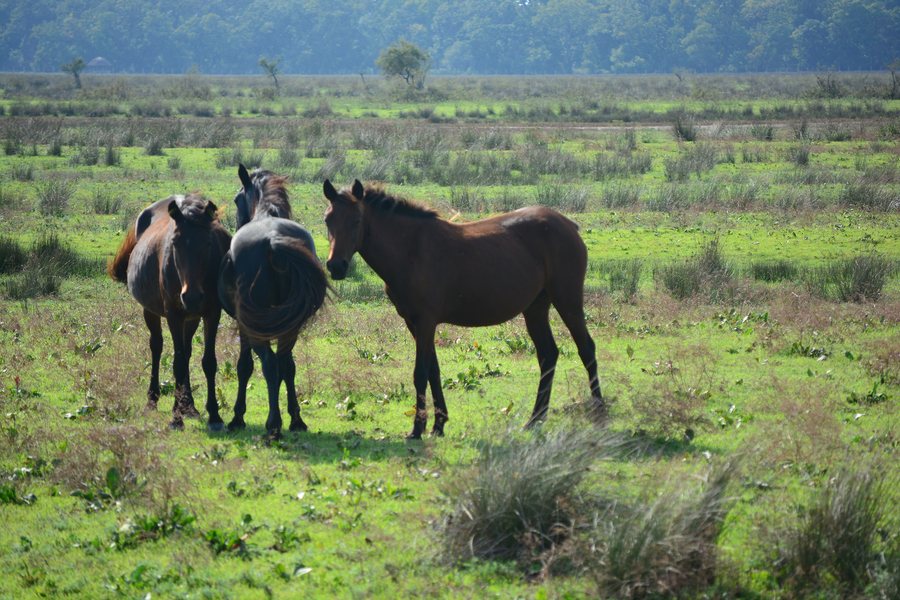
In the area around Letea, groups of dozens or hundreds of feral horses roam across the sand ridges.
For the general travel overview: Tulcea.

